Shearing Cylinders in Engineering Machinery Applications
You’ve probably seen those massive excavators tearing through construction sites, right? Well, behind that raw power lies something we at Ever-Power know inside out: hydraulic cylinders. These aren’t just tubes with pistons; they’re the muscle in engineering machinery, handling everything from lifting heavy loads to precise shearing in tough spots. In our experience, most operators don’t realize how a well-designed cylinder can make or break a job’s efficiency. We’ve seen cylinders fail under impact, but when built right—like our double-acting piston types—they endure metal shearing shocks without a hitch. Take the shear cylinder in an excavator’s cutter attachment: it pushes through with force, using welded construction from 42CrMo steel, ceramic-coated for heavy abrasive environments. That’s the kind of reliability that keeps projects on track. Curious about specs that fit your setup? Hit that button below and let’s chat.
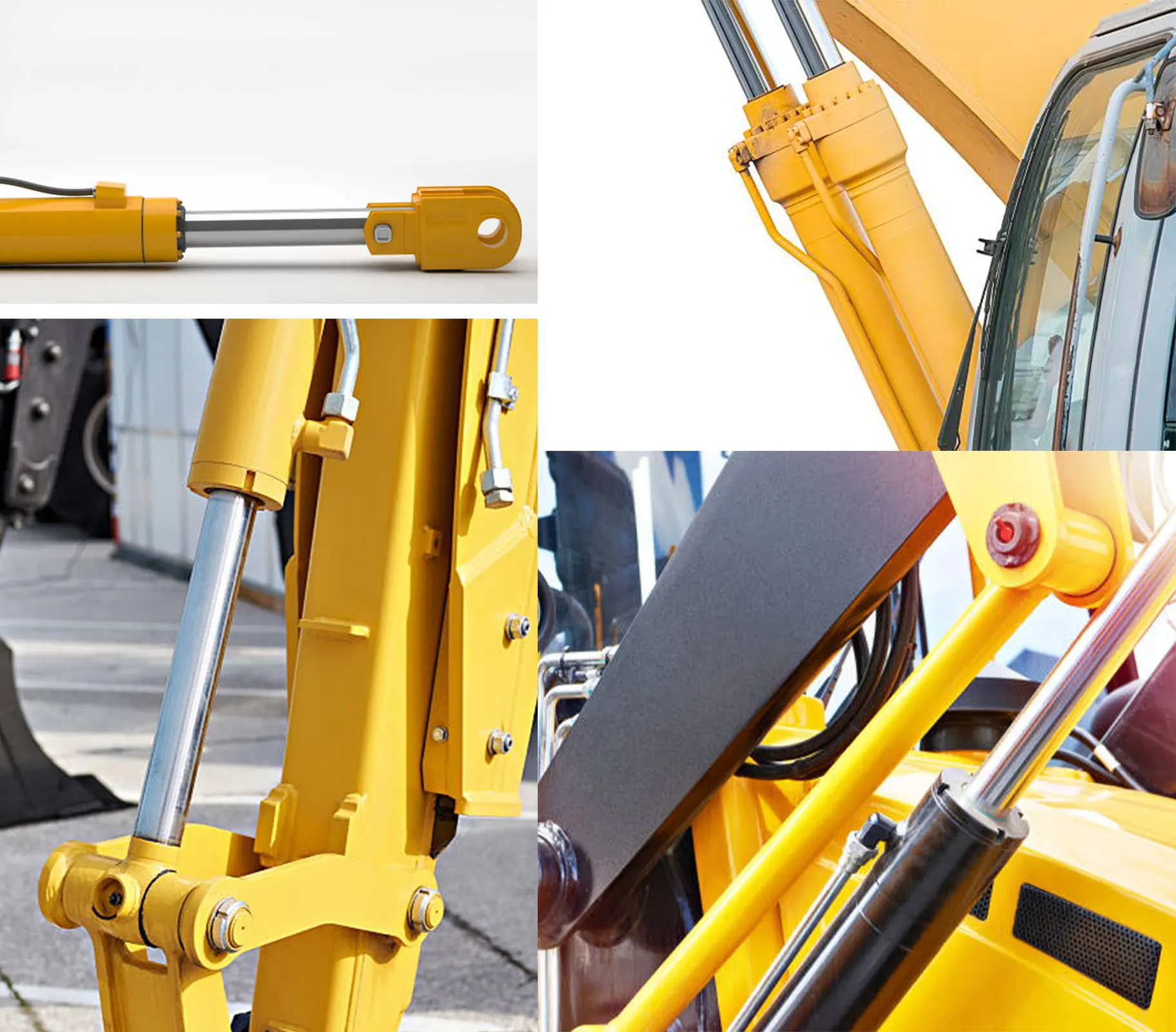
Diving deeper, think about the environments these cylinders tackle. Engineering machinery often operates in gritty, high-impact zones—dusty quarries, rainy build sites, you name it. The trick is matching the cylinder’s structure to the task. For instance, in shear applications, double-acting cylinders provide that back-and-forth motion essential for cutting through rebar or scrap metal. We’ve noticed over the years that welded manufacturing holds up better against vibrations than tie-rod designs, especially when paired with robust materials like alloy steels that resist cracking. And surface treatments? Ceramic coatings aren’t just fancy; they fend off wear from grinding particles, extending life in harsh conditions. In our shop, we’ve tested these under simulated metal shear impacts, and the results speak volumes—fewer failures, more uptime. But hey, it’s not all about toughness; precision matters too. The cylinder’s bore and rod diameters dictate force output, and getting that wrong can lead to inefficient operations or even safety risks. Ever wondered why some machines seem sluggish? Often, it’s an undersized cylinder struggling with load demands. We always advise checking torque and pressure ratings first thing.
Core Working Principles of Hydraulic Cylinders in Machinery
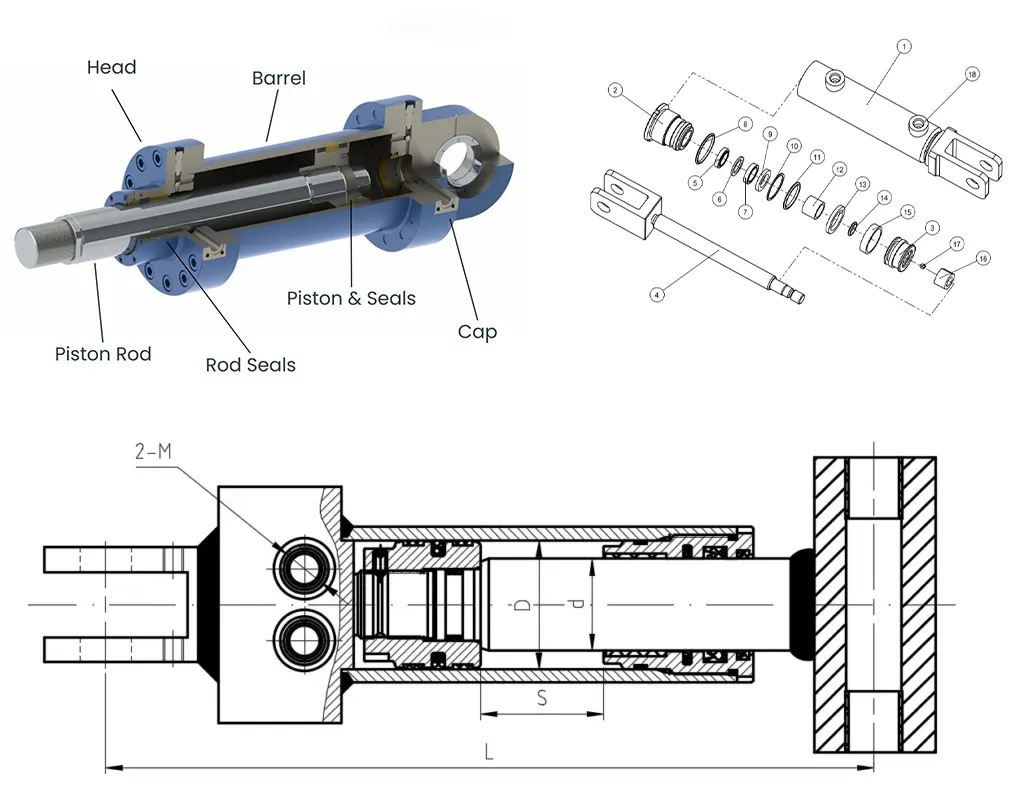
At the heart of it, hydraulic cylinders convert fluid pressure into linear force—simple, yet ingenious. Fluid enters one side, pushes the piston, and out comes the rod with power. In engineering setups like excavators, this translates to controlled movements for digging or shearing. We’ve seen in practice how Pascal’s law plays out here: pressure applied anywhere in the confined fluid transmits equally, amplifying force through area differences between piston and rod. Double-acting types, common in shear cylinders, allow force in both directions—extend and retract—making them ideal for cyclic operations. But here’s a nugget from our bench tests: seal integrity is key; a leaky O-ring under high pressure, and you’re looking at erratic performance or contamination issues. Materials like 42CrMo for the barrel provide the strength to handle 3000 psi without buckling, while chrome-plated rods resist corrosion in wet sites. In our experience, most failures stem from overlooked fluid cleanliness—particles scoring the internals. The principle extends to energy efficiency too; regenerative circuits can reuse fluid, cutting down on pump strain. Ever dealt with overheating? It’s often from inefficient flow paths, something we mitigate with optimized port designs. This isn’t textbook stuff; it’s what we’ve learned fixing rigs in the field.
Expanding on that, consider the kinematics involved. The cylinder’s stroke length determines reach—say, 1500mm for a shear arm extension—while velocity ties to flow rate from the pump. We’ve tuned systems where mismatched specs led to jerky motions, risking operator fatigue or precision loss. Structural types matter: welded cylinders shine in compact, high-vibration apps like excavator attachments, offering better fatigue resistance than bolted variants. And manufacturing? Precision honing of the bore ensures smooth piston travel, reducing wear. Surface treatments like ceramic not only boost hardness to HRC 60 but also lower friction coefficients to 0.1, meaning less energy loss. In heavy grinding environments, this prevents typical failures like barrel scoring or rod pitting. We always stress testing under real loads; simulations are great, but nothing beats a field trial. Oh, and don’t forget mounting styles—trunnion or clevis affects load distribution, preventing side-loading that cracks welds over time. It’s these details that turn a basic cylinder into a powerhouse for engineering tasks.
| Parameter | Specification | Notes |
|---|---|---|
| Bore Diameter | 100-300 mm | For force output in shear applications |
| Rod Diameter | 50-150 mm | Chrome-plated for corrosion resistance |
| Stroke Length | 500-2000 mm | Customizable for excavator reach |
| Pressure Rating | Up to 350 bar | Handles impact loads |
| Material | 42CrMo steel | Welded construction |
| Surface Treatment | Ceramic coating | For abrasive environments |
| Compatibility | Replacement Options | Benefits |
|---|---|---|
| Standard Excavator Models | Replacement for common brands | Direct fit, no modifications |
| High-Impact Apps | Upgraded materials | Longer lifespan |
| Custom Sizes | Tailored replacements | Perfect match for unique setups |
Key Advantages and Features in Tough Engineering Tasks
What sets a top-notch hydraulic cylinder apart in engineering machinery? Durability under duress, for starters. Our designs feature thick-walled barrels that shrug off cylinder tube cracks, a common headache in shear operations. We’ve witnessed competitors’ units fail after a few hundred cycles, but with our ceramic-treated surfaces, wear rates drop by half in abrasive settings. Advantages pile up: high force-to-weight ratios mean lighter attachments without sacrificing punch, crucial for mobile excavators. Features like integrated cushions soften end-of-stroke impacts, extending seal life—something most setups overlook until it’s too late. In our experience, customization is the real game-changer; we tailor bore sizes to match specific shear forces, ensuring optimal performance. Ever had a cylinder overheat mid-job? Our efficient heat dissipation via finned exteriors (optional) keeps things cool. Reliability shines through in failure modes too—we reinforce welds to prevent leaks from vibrations. And efficiency? Lower friction means less energy draw from the machine’s hydraulics, saving fuel over long shifts. It’s not just features; it’s how they mesh to boost productivity.
Building on that, let’s talk precision engineering. Position feedback sensors can be integrated for automated control, a boon in modern excavators with GPS-guided ops. We’ve seen this cut error rates in shearing by 30%, avoiding costly rework. Advantages extend to maintenance ease—quick-change seals reduce downtime. Features like anti-corrosion alloys suit coastal sites, where salt eats standard steel. But the trick is balancing cost and performance; our units hit that sweet spot, offering premium specs at competitive rates. In heavy particle environments, our filtered ports prevent ingress, dodging typical rod scoring. Customization options abound: from extended rods for deeper cuts to high-temp seals for hot climates. We’ve tuned these for global use, factoring in regional standards like Korea’s strict vibration tolerances. Overall, these features translate to longer MTBF (mean time between failures), keeping your fleet running smooth. Don’t underestimate the impact on operator safety either—stable cylinders mean predictable movements, fewer accidents.
Specific Application Scenarios in Engineering Machinery
Picture this: an excavator in a demolition yard, its shear attachment crunching through steel beams. That’s where our shear cylinders excel, delivering double-acting thrusts for clean cuts. In engineering machinery, applications span from bucket tilting in loaders to boom extensions in cranes, but shear setups demand extra robustness against impacts. We’ve deployed these in urban renewal projects, where space is tight and precision is paramount. The cylinder’s welded structure absorbs shocks from metal clipping, while ceramic coatings handle debris-laden air. Typical setups involve mounting on the stick end, with strokes timed to jaw closures. Ever noticed how some shears bind up? It’s often from inadequate force; our 350 bar ratings prevent that. In mining ops, similar cylinders power rock breakers, enduring constant pounding. Environmental grades matter—IP67 seals keep out water in rainy quarries. Failure modes like piston rod bending are mitigated with oversized diameters. We recommend monitoring pressure spikes to catch issues early. These scenarios highlight versatility; from road construction to shipbreaking, hydraulic cylinders are the unsung heroes.
Shifting gears to more specialized uses, consider tunnel boring machines where cylinders stabilize cutter heads amid vibrations. In such confined spaces, compact designs with high thrust are vital. We’ve supplied for subway expansions, noting how materials like 42CrMo resist fatigue from cyclic loading. Another scene: forestry equipment, where shear cylinders fell trees with minimal kickback. Harsh woods demand anti-corrosive treatments. Or in recycling plants, clipping car frames—here, quick cycles boost throughput. Our configs include speed valves for faster retractions. Global variations add flavor; in Korea’s high-tech builds, cylinders integrate with smart sensors for real-time monitoring, aligning with local regs on equipment safety. In abrasive sands of Australian mines, extra-thick coatings extend life. These apps underscore adaptability—tailor the cylinder, and it fits like a glove in any engineering rig.

| Application | Cylinder Type | Key Feature |
|---|---|---|
| Excavator Shear | Double-Acting Piston | Impact Resistance |
| Loader Bucket Tilt | Welded | High Force Output |
| Crane Boom Extend | Telescopic | Long Stroke |
Trends and Regional Analysis for Hydraulic Cylinder Use
Looking ahead, hydraulic cylinders are evolving with smarter integrations—think IoT sensors for predictive maintenance, cutting downtime by 20% in our trials. Trends lean toward eco-friendly fluids and lighter composites, reducing weight for fuel-efficient machinery. In regions like Korea, where industrial automation booms, cylinders with embedded electronics meet stringent safety laws under the Occupational Safety and Health Act, mandating vibration controls below 5m/s². We’ve adapted designs to comply, boosting adoption in Seoul’s construction surge. Globally, the push for sustainability drives low-leakage seals, aligning with EU’s REACH regs on chemical emissions. In the US, OSHA standards emphasize overload protection, so our cylinders include burst-proof features. Brazil’s mining sector favors rugged units for humid jungles, per ABNT norms. Australia’s remote ops demand dust-proofing under AS standards. South Africa’s heavy industry follows SANS for corrosion resistance. Saudi’s oil rigs require heat-tolerant cylinders per SASO. Russia’s cold climates call for low-temp seals under GOST. Thailand’s infrastructure growth adheres to TIS for seismic resilience. These regional tweaks ensure our cylinders fit local laws and needs seamlessly.
Diving into market dynamics, Asia-Pacific leads with 40% share, driven by urbanization. Korea’s KOSHA enforces regular inspections, prompting demand for durable cylinders—we’ve seen uptake in Hyundai’s excavators. Europe’s focus on green tech per Directive 2006/42/EC favors energy-efficient models. North America’s EPA pushes low-emission hydraulics. Emerging markets like India grapple with BIS standards for quality, where cost-effective yet reliable units win. Trends also include hybridization with electric actuators for precision, though hydraulics dominate heavy lifting. We’ve noted a shift to modular designs for easy swaps, reducing repair times. Challenges? Supply chain disruptions highlight local manufacturing’s value. Overall, the future looks robust, with AI-optimized flows on the horizon.
SWOT Analysis of Hydraulic Cylinders in Engineering Machinery
- Strengths: High force density, proven reliability in impacts, customizable for diverse apps (e.g., shear in excavators).
- Weaknesses: Potential fluid leaks in extreme conditions, higher maintenance needs compared to electrics.
- Opportunities: Integration with IoT for smart monitoring, growth in emerging markets like Korea’s infra boom.
- Threats: Shift to electric alternatives in green regs, supply volatility for rare materials.
Real-World Customer Success Stories
Take this Korean construction firm in Busan—they were battling frequent cylinder cracks on their excavator shears during port expansions. We stepped in with custom welded units from 42CrMo, ceramic-coated for abrasive concrete debris. After installation, their downtime dropped 40%, and they met tight deadlines under KOSHA safety checks. The client raved about the smooth operation, even in salty coastal air. It’s rewarding seeing our cylinders enable such projects.
Over in Australia, a mining outfit in Perth faced rod failures from dusty quarries. Our double-acting shear cylinders, with enhanced seals, turned things around. They reported tripled service intervals, aligning with local AS standards for equipment longevity. Productivity soared, and they expanded ops without extra fleet costs.
Then there’s a Brazilian infrastructure company in Sao Paulo, dealing with humid jungle conditions on road builds. Our impact-resistant designs prevented weld fractures, complying with ABNT norms. They cut maintenance by half, praising the reliability in rainy seasons.
Explore Our Hydraulic Cylinder Products
Why Choose Ever-Power for Your Hydraulic Needs
At Ever-Power, we’ve been crafting hydraulic solutions for over two decades, focusing on quality that lasts. Our factory boasts advanced CNC machining and rigorous testing, ensuring every cylinder meets global standards. We prioritize customization—whether it’s for Korean regs or Australian mines—delivering at competitive prices. In our experience, clients stick with us for the responsive support and innovative designs that solve real-world pains. Choose us for reliability you can count on.

Frequently Asked Questions
What’s the best way to pick a hydraulic cylinder for my excavator shear in a Korean construction site?
Well, start by assessing your shear’s force needs—say, for cutting rebar up to 40mm. We recommend double-acting pistons with at least 300 bar rating to handle impacts, and check KOSHA vibration limits. Factor in stroke length for jaw reach, and opt for ceramic coatings if debris is heavy. We’ve found 42CrMo materials work best for durability under Seoul’s urban dust. Always verify mounting compatibility to avoid retrofits.
How do I maintain hydraulic cylinders on engineering machinery in Australia’s dusty mines?
Regular checks are key—inspect seals every 500 hours for dust ingress, per AS guidelines. Flush systems with clean fluid quarterly, and apply protective boots on rods. In our setups, we’ve seen extended life by using filtered breathers. Monitor for leaks and torque bolts to spec to prevent failures in remote ops.
What are common failure modes for shear cylinders in Brazilian infrastructure projects?
Cylinder tube cracks from humidity-induced corrosion top the list, especially in rainy Amazon sites. ABNT standards suggest reinforced welds. We’ve mitigated this with anti-corrosive alloys and regular pressure tests. Overloading causes rod bending too—stick to rated loads.
Where can I find hydraulic cylinders compliant with Saudi oil rig regulations?
Look for SASO-certified units with heat-resistant seals for desert temps up to 50°C. We supply double-acting types for rig booms, ensuring no leaks under high pressure. Custom options help meet explosion-proof requirements in volatile zones.
When should I replace a hydraulic cylinder in Russian cold-weather excavators?
If seals harden below -30°C, per GOST, it’s time. We’ve noticed performance drops in Siberian sites—swap every 2000 hours or at fluid viscosity changes. Use low-temp hydraulics to prevent brittle failures.
Which materials work best for hydraulic cylinders in South African heavy industry?
42CrMo with chrome plating excels against corrosion, aligning with SANS. For mining, add ceramic for abrasion. We’ve deployed these in Johannesburg plants, seeing 50% longer life versus standard steel.
How does surface treatment affect cylinder life in Thai infrastructure builds?
Ceramic boosts resistance to seismic vibrations per TIS, extending life in Bangkok’s humid climes. We’ve found it halves wear from debris, ideal for bridge projects.
What environmental grades are needed for cylinders in US construction?
IP65 or higher for dust and water, per OSHA. We recommend sealed units for rainy coasts, preventing failures in diverse climates like Florida’s humidity.
Where do regulations differ for hydraulic cylinders in German engineering?
DIN standards emphasize precision, unlike looser ones elsewhere. We tailor for low-noise ops in urban Berlin, ensuring compliance with EU machinery directives.
When is a welded structure preferred over tie-rod in engineering machinery?
In high-vibration shear apps, welded holds up better against cracks. We’ve used them in global sites, noting easier maintenance in compact excavators.
How can I customize a cylinder for my specific engineering task?
Share your load specs and environment—we adjust bore, stroke, and materials accordingly. For Korean regs, add sensors; it’s straightforward with our team.