
Compaction Pressure Adjustment Cylinder for Soil Packer
Engineered to conquer high-frequency, light-load micro-adjustments without succumbing to thermal seal fatigue. We utilize fatigue-resistant small-bore architectures and 27SiMn alloy steel to guarantee continuous, flawless soil compaction pressure across thousands of variable hectares.
Strategic Product Overview: Perfecting Seed-to-Soil Contact
In professional agronomy and large-scale commercial farming, achieving optimal crop emergence relies heavily on executing perfect seed-to-soil contact. Modern soil packers, frequently integrated as trailing consolidation mechanisms behind heavy primary tillage equipment or seed drills, perform a highly delicate mechanical task. They must gently crush leftover clods, eliminate destructive subsurface air pockets, and press the topsoil firmly down over the newly planted seeds. This consolidation prevents rapid moisture evaporation, promotes strong capillary action of groundwater, and ensures uniform, high-yield germination. However, field soil density is rarely uniform; it changes constantly from soft, sandy loam to hard, dense clay within a single tractor pass. To maintain an identical, calculated level of soil consolidation across highly variable terrain, the implement utilizes a Compaction Pressure Adjustment Cylinder. This specialized fluid power component constantly extends and retracts in microscopic increments to actively regulate the precise downward force exerted by the heavy steel or rubber packer rollers on the fly.
Standard commercial fluid power actuators routinely and predictably fail when applied to this specific sub-system. The unique operating environment of a trailing seedbed packer presents a “light-load, high-frequency” kinetic profile. The hydraulic cylinder is not lifting massive deadweights; rather, it is executing hundreds, sometimes thousands, of tiny, rapid stroke adjustments every hour. This continuous high-frequency oscillation (dithering) generates immense localized thermal friction directly inside the sealing gland. Because the stroke is so exceptionally short, the internal hydraulic oil never circulates enough to carry the generated heat away from the friction zone. Consequently, standard nitrile rubber seals suffer rapid thermal degradation, embrittlement, and extreme mechanical fatigue, leading directly to internal fluid weeping, a total loss of pressure control, and highly inconsistent field compaction. When a generic actuator fails in this manner, agricultural operators find themselves wasting critical, weather-dependent planting windows continuously fixing hydraulic cylinders just to keep the rollers functioning at baseline capacity.
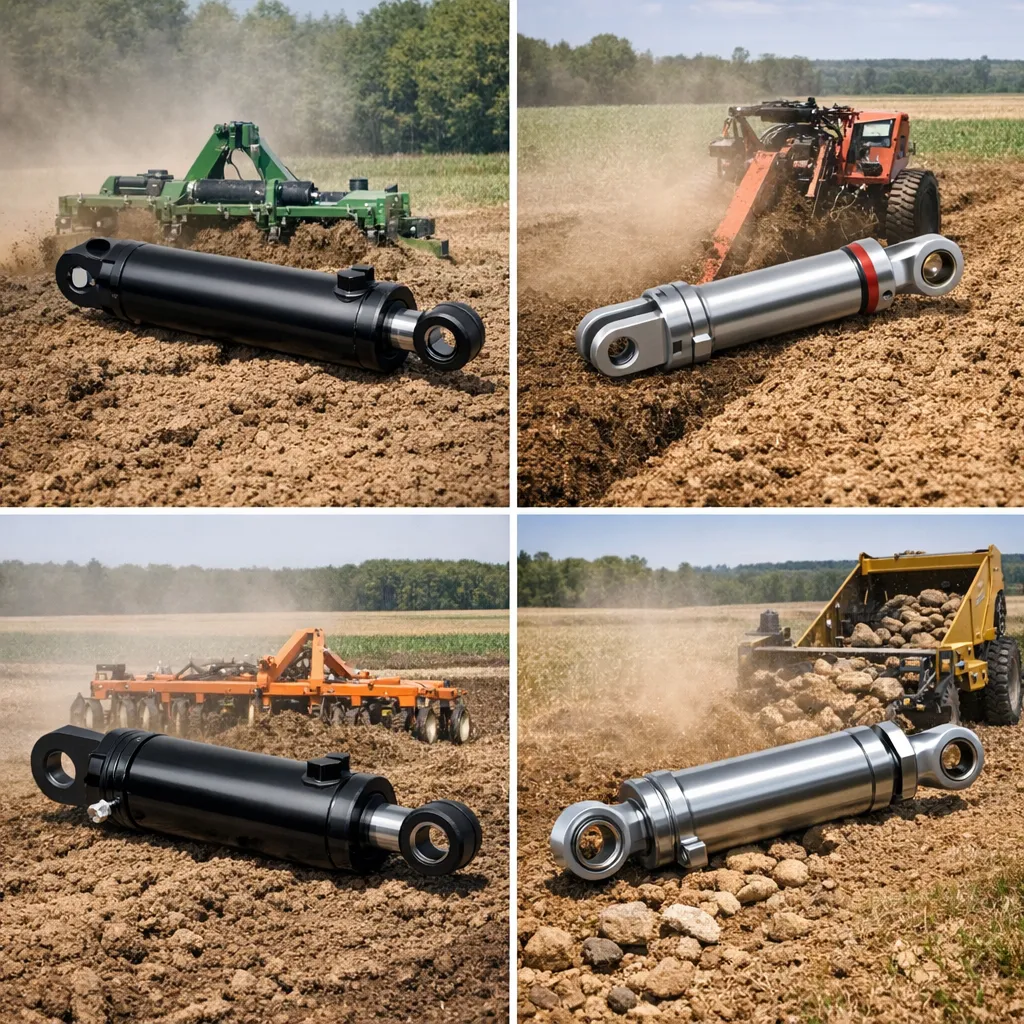
As a highly specialized, globally integrated hydraulic cylinder manufacturer, our technical division has engineered a definitive, permanent solution to this high-frequency thermal fatigue. Our custom-designed Compaction Pressure Adjustment Hydraulic Cylinder is built from the ground up around a fatigue-resistant, small-bore geometric architecture. By deliberately utilizing 27SiMn high-strength alloy steel to maintain structural rigidity while reducing internal volume, and integrating highly specialized low-friction PTFE composite sealing matrices, we drastically reduce internal heat generation at its source. Upgrading your agricultural fleet with our advanced hydraulic parts guarantees your soil packers deliver uniform, mathematically precise consolidation pressure hour after hour. This premium engineering maximizes crop yields while completely eliminating the frustrating, expensive cycle of mid-season seal blowouts and associated machinery downtime.
Comprehensive Engineering Specifications
Optimizing an actuator for high-frequency, short-stroke operation requires a radical departure from standard heavy-lifting dimensional logic. The engineering matrix below outlines the stringent baseline parameters and specialized metallurgical configurations of our pressure adjustment units. For procurement directors seeking highly specific, fatigue-resistant fluid power solutions across diverse mobile equipment platforms, we strongly encourage you to review our broader manufacturing scope within our premium hydraulic cylinder product category.
Operational Fluid Dynamics: Mastering High-Frequency Dithering
Comprehending the precise fluid mechanics occurring within this system is vital to understanding why specialized, high-end engineering is absolutely required. Regulating the exact downward force of a heavy steel packer roller across undulating fields requires powered, active hydraulic pressure in both directions. Relying on a single acting hydraulic cylinder is impossible in this scenario; if the tractor enters a patch of incredibly soft, sandy soil, the heavy roller would sink far too deep under its own deadweight if not actively held up by reverse hydraulic force. Therefore, this component must operate as a true double acting hydraulic cylinder. Pressurized fluid from the tractor’s auxiliary control system actively drives the internal hydraulic cylinder piston to forcefully increase down-pressure on hard, compacted clods, and actively pulls the piston back to instantly relieve pressure over loose zones.
The true engineering challenge arises directly from the behavior of the fluid and seals during these rapid adjustments. When an operator (or a modern automated tractor sensor system) makes a pressure adjustment, the cylinder rod may only move five to ten millimeters. Because the stroke is so remarkably short and rapidly repetitive, the hydraulic fluid currently resting inside the cylinder barrel is pushed back and forth over the internal seals, but it never fully cycles out of the cylinder back to the tractor’s reservoir to cool down. Consequently, this localized fluid acts as a severe heat trap. The continuous kinetic friction of the seals rubbing against the steel bore generates localized thermal energy that rapidly compounds. In standard, large-bore cylinders, the massive surface area of the seals generates so much friction heat that the rubber literally bakes, hardens, and fractures within weeks, destroying the fluid seal.
To systematically neutralize this thermal phenomenon, we engineered a dedicated fatigue-resistant small-bore architecture. By reducing the overall internal diameter of the cylinder—while concurrently utilizing ultra-high-yield 27SiMn steel to maintain necessary structural rigidity—we drastically reduce the physical surface area of the internal dynamic seals. Less seal contact area directly translates to an exponential reduction in friction generation. We then pair this optimized geometry with advanced PTFE-blended (Teflon) composite seals operating against a mirror-honed bore. This specific tribological combination allows our Compaction Pressure Adjustment Cylinder to oscillate continuously at high frequencies without overheating, ensuring flawless, uninterrupted soil consolidation without seal burnout.
Seamless Aftermarket Upgrades for Professional Agricultural Fleets
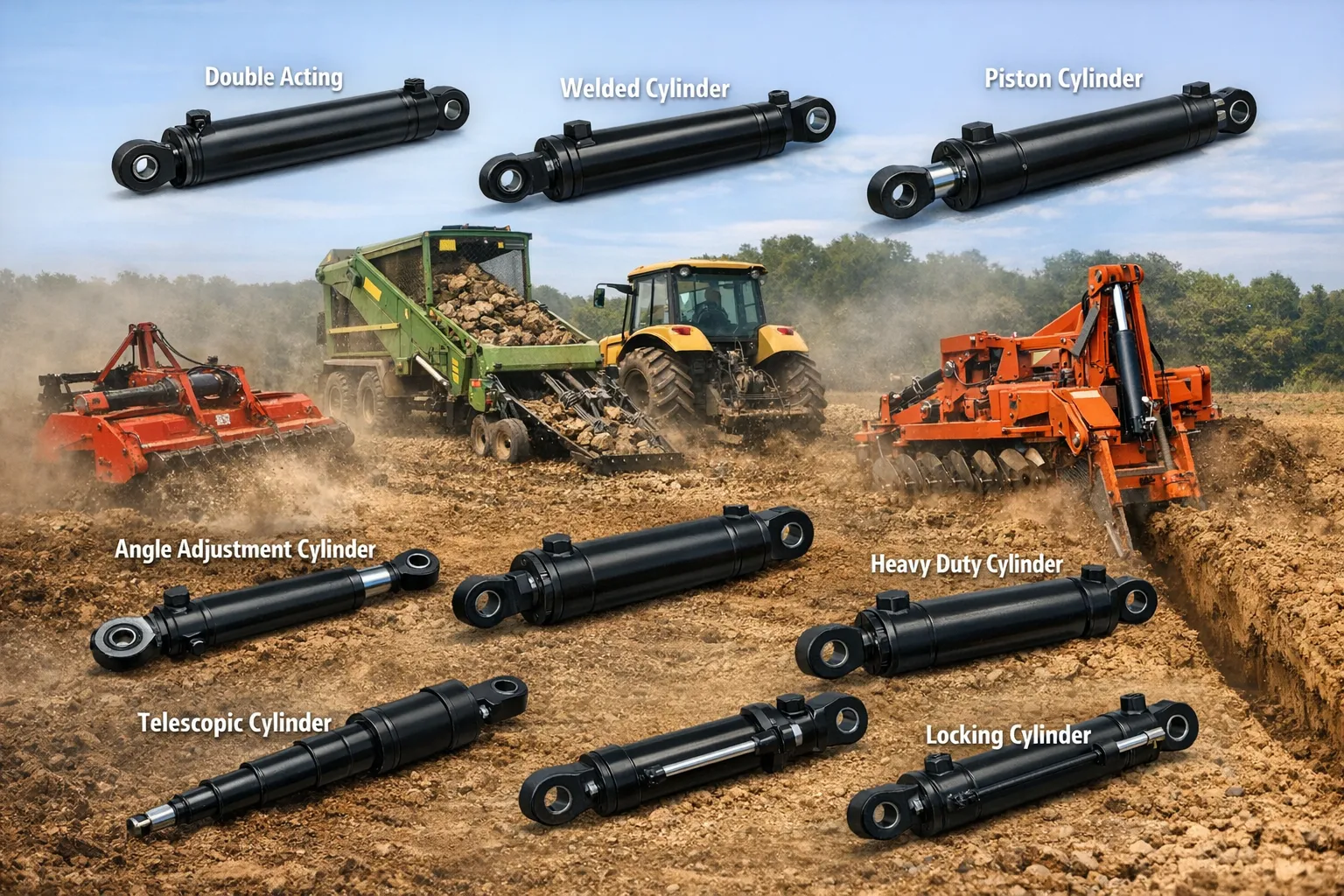
Commercial farming operations run on razor-thin financial margins and incredibly tight weather windows. When a packer roller loses its pressure regulation capabilities due to a blown seal, planting efficiency plummets, and potential crop yield is sacrificed. Waiting for a severely overpriced factory original component to be imported through a dealership network is financially unacceptable. We purposefully engineer our high-frequency aftermarket lift cylinder and pressure control models to serve as rapid, dimensionally flawless mechanical upgrades for the industry’s premier soil consolidation implements. Our stringent manufacturing tolerances ensure that critical installation metrics—including exact closed pin-to-pin retracted lengths, precise stroke dimensions, mounting clevis widths, and specific hydraulic port threads—perfectly mirror your existing machinery for immediate integration using basic hand tools in the field.
We continuously manufacture extreme-duty replacements for complex seedbed packers, trailing rollers, and cultivators manufactured by global leaders such as Lemken, Väderstad, Horsch, Amazone, Kuhn, Great Plains, and implements towed by heavy tractors from Kubota, John Deere, Case IH, LS Mtron, TYM, and Daedong. (Please be fully advised: The inclusion of these original equipment manufacturer brand names is strictly intended to assist mechanics and procurement professionals in efficiently cross-referencing dimensional compatibility and application intent. We operate solely as an independent manufacturer of premium hydraulic cylinder components and claim no trademark affiliation or corporate endorsement by these entities.)
By retrofitting your equipment with our highly specialized, thermal-resistant hydraulic rams, you actively bypass inflated dealership pricing structures while completely curing the systemic thermal fatigue vulnerabilities inherent in standard commercial designs. This strategic operational upgrade significantly optimizes your long-term hydraulic cylinder price metrics by entirely eliminating the frustrating, expensive cycle of mid-season seal blowouts.
Core Technological Advancements: Defeating Mechanical Fatigue
Surviving the intense thermal friction of continuous, high-frequency micro-adjustments requires advanced engineering applied directly to the internal architecture of the fluid power system. The following technical pillars explicitly define why our specialized components outlast generic cylinders in high-cycle agricultural applications:
1. Fatigue-Resistant Small-Bore Architecture
By mathematically calculating the exact force required for packer roller adjustment, we optimize the internal cylinder bore to be as compact as structurally possible. This small-bore design drastically reduces the total surface area of the internal dynamic seals. Less rubber dragging against steel directly translates to a massive reduction in localized thermal heat generation during rapid oscillation, while making the cylinder hyper-responsive to tiny fluid inputs.
2. 27SiMn High-Strength Alloy Steel
Reducing the cylinder diameter requires utilizing vastly stronger materials to prevent the barrel from bending under the vibration and weight of the implement. We construct these units exclusively from 27SiMn (Silicon-Manganese) alloy steel. This provides immense yield strength and unparalleled fatigue resistance, ensuring the cylinder remains perfectly rigid and concentric over millions of high-frequency micro-cycles without swelling.
3. Ultra-Low Friction Sealing Technology
Standard NBR seals create too much drag and overheat quickly in short strokes. We outfit our pistons with highly advanced, PTFE-blended (Teflon) composite sealing matrices. These specialized materials possess an incredibly low coefficient of friction, allowing the rod to glide flawlessly even during high-speed adjustments, completely preventing the “stick-slip” juddering that ruins hydraulic accuracy and damages the seedbed.
4. Precision CNC Mirror-Honed Bore
The slightest machining imperfection on the internal barrel wall will act like sandpaper against high-frequency seals. We utilize advanced automated honing machines to achieve a mirror-like internal surface finish of Ra 0.2 to 0.4 micrometers. This flawless smoothness is absolutely critical for dissipating internal friction and guaranteeing infinite seal lifespan during continuous micro-movements.
5. Micro-Cracked Hard Chrome Defense
Mounted near the ground behind tillage tools, the cylinder rod is constantly bombarded by kicked-up field stones, abrasive dust, and acidic fertilizers. We apply a thick, 25+ micron layer of micro-cracked hard chrome plating over the rod. This creates a deeply hardened surface armor that rejects physical pitting while retaining a microscopic film of oil to constantly lubricate the external wiper seals in dusty environments.
6. Monolithic Welded Integrity
High-frequency equipment vibration will rapidly vibrate generic tie-rod cylinders loose, stretching the bolts and causing messy external oil leaks. Our heavy-duty architecture utilizes automated, deep-penetration submerged arc welding to permanently fuse the base caps directly to the 27SiMn barrel. This generates a solid, monolithic pressure vessel that entirely ignores the mechanical resonance of the seedbed packer.
Autonomous Manufacturing and Exhaustive Quality Control
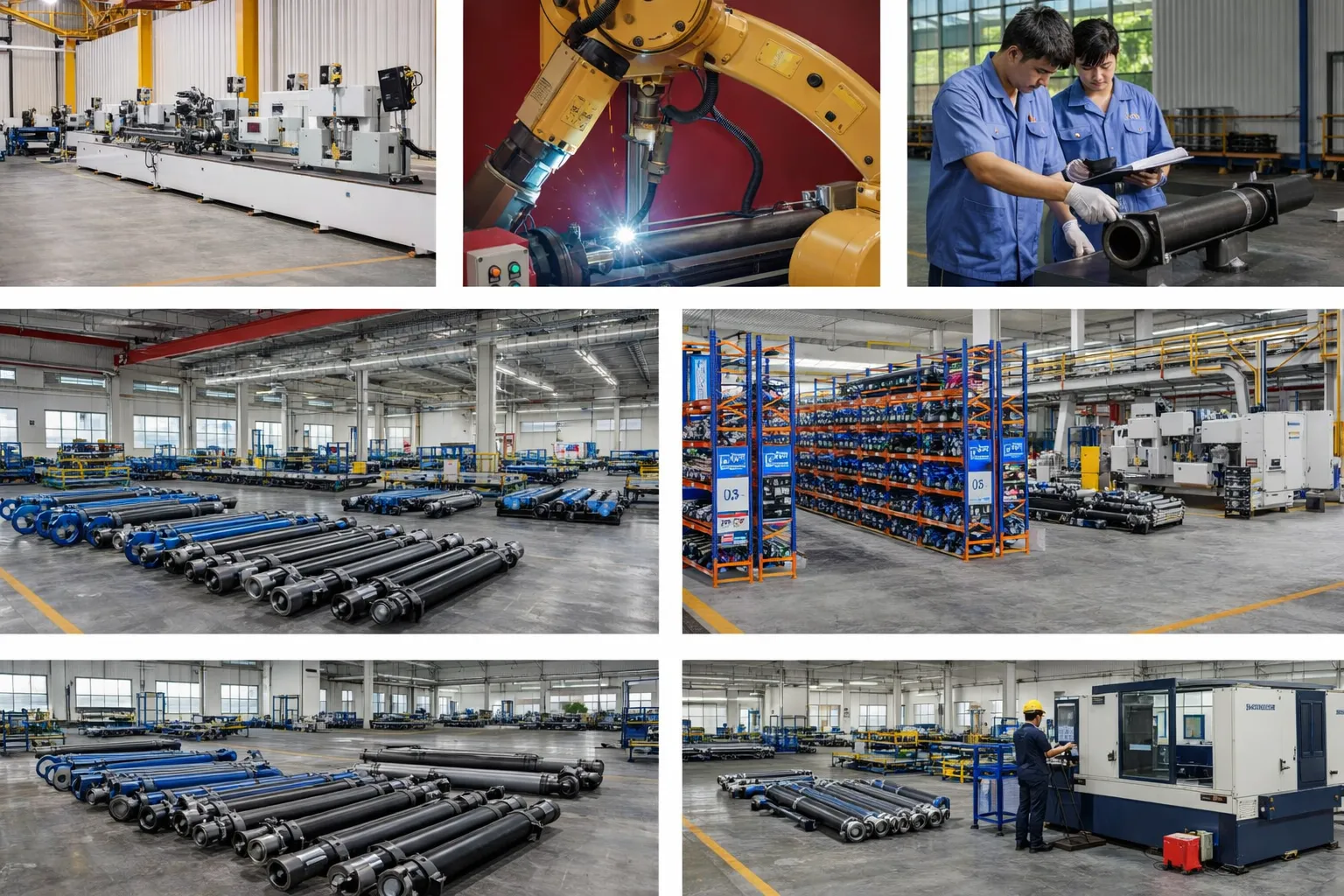
Achieving true mechanical reliability under high-frequency thermal stress cannot be accomplished by assembling generic, outsourced components. By operating a massively capitalized, vertically integrated manufacturing facility, we maintain absolute sovereign control over the entire production lifecycle. When the raw 27SiMn alloy steel billets arrive at our unloading docks, they undergo strict material spectrometry and ultrasonic non-destructive testing (NDT) to verify their exact chemical composition and detect any sub-surface metallurgical flaws that could compromise the cylinder’s fatigue resistance under rapid load cycles.
The precise internal fluid architecture of our hydraulic parts is sculpted utilizing highly advanced, multi-axis CNC turning and milling centers. This intense robotic automation allows us to consistently achieve incredibly tight diametrical tolerances on the piston seal grooves. This mathematical perfection is strictly necessary to ensure the PTFE composite seals are compressed exactly as engineered—tight enough to prevent fluid bypass, but loose enough to prevent thermal friction drag. Following the automated robotic welding phase, all load-bearing structural seams are ultrasonically tested to guarantee deep penetration and a total lack of internal porosity.
Critically, before any pressure adjustment cylinder is cleared for export, it must survive a brutal 100% factory pressure testing protocol. The units are mounted to highly calibrated hydraulic test benches and pressurized to 1.5 times their maximum rated operational capacity. We conduct stringent static holding tests to mathematically verify absolute zero internal fluid bypass. More importantly, we run them through rapid, high-frequency oscillation cycles to ensure flawless, stick-slip-free movement without temperature spiking. Only passing units are laser-etched with a unique alphanumeric serial number, providing absolute lifetime material traceability for our B2B partners.
Cross-Industry Adaptability of High-Frequency Actuators
While the external mounting geometry of this specific unit is optimized for agricultural soil packers, the foundational fluid power engineering—specifically the use of small-bore 27SiMn architecture to defeat high-frequency thermal seal fatigue—is highly demanded across multiple severe-duty industrial sectors where rapid micro-adjustments are critical.
- Heavy Earthmoving: The exact same low-friction sealing technology is vital for the precision leveling blades and steering dampeners utilized extensively in the construction machinery industry, preventing hydraulic juddering on asphalt and soil compactors.
- Subterranean Extraction: The supreme fatigue resistance provided by our 27SiMn welded structures makes our high-frequency systems the premier choice for vibrating rock screens and heavy material feeders deep within the mining industry.
- Industrial Manufacturing: The ability to conduct rapid, continuous micro-strokes without thermal failure is essential for automated stamping and continuous casting equipment inside the metallurgical and iron industry.
Comparative Analysis: Standard Commercial vs. High-Frequency Endurance
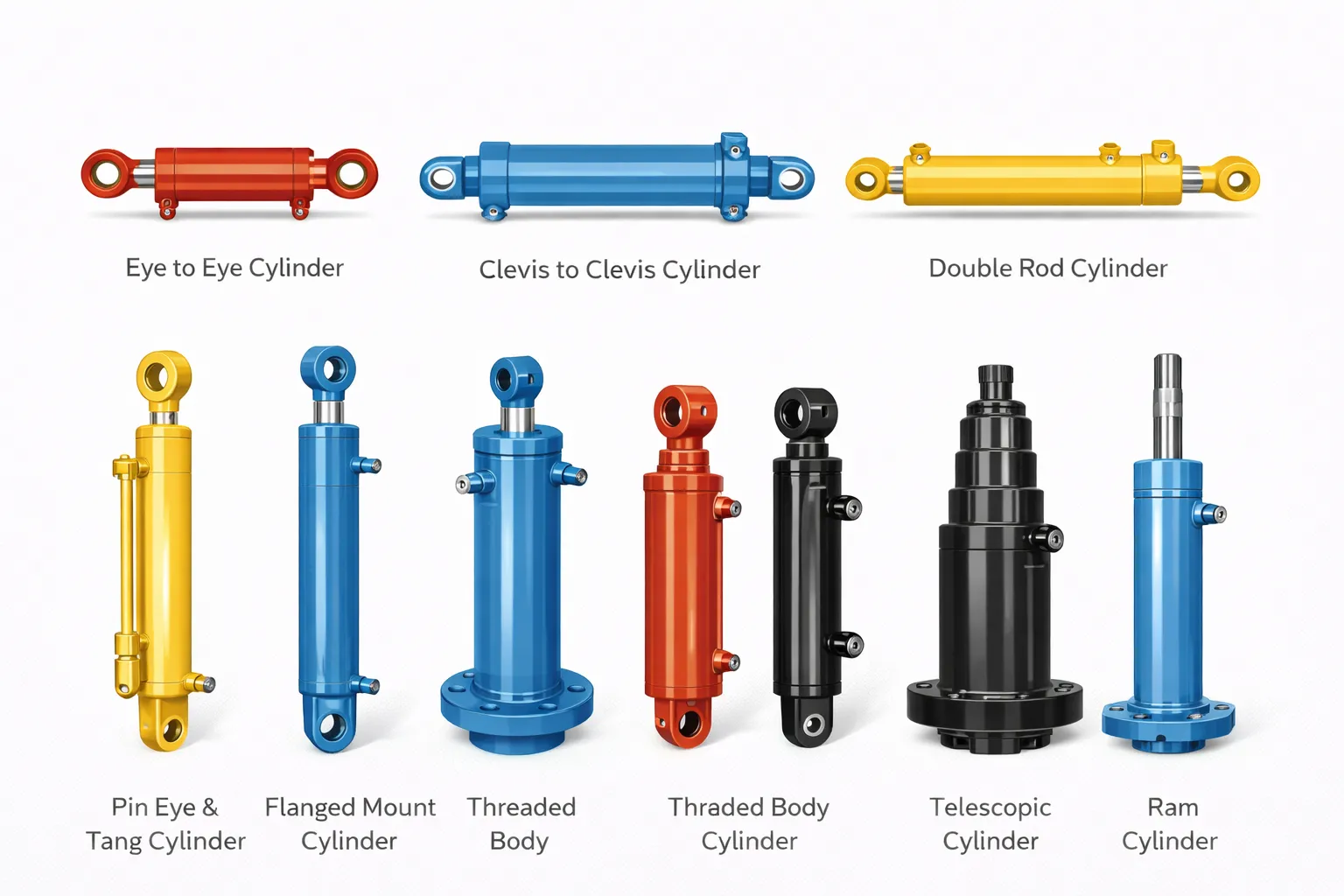
Evaluating the true commercial value of an agricultural actuator requires looking far beyond the initial procurement invoice. Selecting a cheaper, generic cylinder for a high-frequency application inevitably leads to massive mid-season downtime and uneven crop emergence. The comparative matrix below definitively illustrates why upgrading to our specialized thermal-fatigue resistant components is a fundamentally sound agronomic and business decision.
| Critical Engineering Feature | Standard Aftermarket Tillage Cylinder | Our High-Frequency Packing Cylinder |
|---|---|---|
| Internal Seal Lifespan | Standard rubber O-rings bake, harden, and shred rapidly under the immense thermal friction of rapid micro-adjustments. | Advanced PTFE composite matrix delivers ultra-low friction, operating continuously without heat degradation or thermal fatigue. |
| Actuation Responsiveness | Oversized, generic bore diameters require excess fluid volume, leading to sluggish response times and imprecise tension tweaking. | Optimized small-bore architecture minimizes fluid requirements, delivering instantaneous, zero-lag mechanical pressure adjustments. |
| Bore Surface Finish | Rough, standard drawn commercial tubing acts exactly like abrasive sandpaper against the internal seals during high-speed oscillations. | Precision CNC multi-pass honing creates a flawless mirror finish (Ra 0.2-0.4μm), drastically reducing internal thermal drag. |
| Structural Metallurgy | Standard 1045 carbon steel is highly susceptible to structural fatigue and warping from the relentless vibration of field clods. | 27SiMn High-Strength Alloy steel provides immense elasticity and yield strength to harmlessly absorb intense field chatter. |
| Total Cost of Ownership | Deceptively high; causes uneven seedbed compaction, reduced germination rates, and continuous mid-season cylinder rebuilding. | Exceptionally low; guarantees uniform soil compaction yields and operates flawlessly for multiple seasons without field maintenance. |
Proven Global Field Performance: B2B Case Studies
The theoretical excellence of utilizing small-bore architecture and low-friction composite seals is definitively proven every planting season in the grueling realities of commercial agriculture. Below are documented cases detailing how our high-frequency fluid power solutions have systematically resolved chronic tension control failures and low crop yields for major agricultural partners across the Asian market.
Case Study 1: Eradicating Erratic Germination in South Korean Precision Farming
Location & Client: Gyeonggi-do, South Korea — A massive commercial farming conglomerate heavily invested in high-yield root vegetable production using automated ISOBUS tractors.
The Challenge: During the crucial, highly compressed spring planting season of 2024, the farm was experiencing highly erratic crop germination. Agronomists determined that their heavy soil packers were bouncing erratically over the fields. The standard large-bore cylinders they were using for pressure control were suffering from severe “judder” and thermal breakdown. The rubber seals were melting every 200 hours, meaning the cylinders simply could not execute the fine micro-adjustments the ISOBUS computers were commanding, leading to alternating patches of loose soil and severely compacted hardpan.
Contact & Solution: The chief agronomist located our specialized engineering capabilities through a technical search targeting precision tillage and hydraulic cylinder repair solutions. We rapidly manufactured and exported a fleet-wide retrofit batch of our Compaction Pressure Adjustment Cylinder, explicitly outfitted with our small-bore geometry and heat-resistant low-friction PTFE seals.
The Result: After installation, thermal seal fatigue was eliminated. The tractor operators regained absolute, granular control over the implement downforce. The rollers applied perfectly even pressure across the entire acreage, resulting in a historically high, highly uniform germination rate.
Case Study 2: Conquering Cold Weather Stiction in Hokkaido, Japan
Location & Client: Hokkaido, Japan — An independent, large-scale commercial wheat farming enterprise operating heavy soil covering implements in severe early-spring weather.
The Challenge: Seeding operations across the rolling volcanic ash soil frequently began when temperatures were near or below freezing. The standard rubber seals inside their OEM units shrank and hardened in the cold. When the tractor attempted to micro-adjust the pressing force, the seals suffered from extreme “stiction”—the rod would stick tightly to the barrel, then suddenly break free with a bang, causing the heavy roller to slam down unevenly, effectively destroying the delicate seedbed profile.
Contact & Solution: The owner contacted us directly via our website portal seeking a smoother operational solution. Our engineering team prescribed our specialized models featuring low-friction PTFE seals that remain geometrically stable and highly lubricious even in extreme sub-zero temperatures, paired with CNC mirror-honed barrels.
The Result: Mechanical juddering and sticking were completely eradicated. The machinery operated with silk-like smoothness through two of the harshest early-spring frost periods on record, maintaining perfect compaction precision.
Case Study 3: Supplying Premium Reliability to a Taiwanese OEM Builder
Location & Client: Taichung, Taiwan — A specialized agricultural implement manufacturer building custom precision seed drills and exporting automated tillage equipment to the broader Southeast Asian market.
The Challenge: To maintain their reputation for high-end precision agronomy, the manufacturer needed to source highly dependable, fast-reacting down-pressure mechanisms for their new line of heavy seedbed rollers. The cheap, locally sourced large-bore cylinders they initially tested suffered from rapid seal wear during the high-frequency calibration phases, leading to an unacceptable volume of warranty claims from end-users reporting massive oil leaks and erratic compaction performance.
Contact & Solution: Searching the global trade directory for a highly capable hydraulic cylinder manufacturer, their head of engineering connected with us. We established a long-term bulk-supply protocol, providing 100% pressure-tested units featuring our fatigue-resistant small-bore architecture, 27SiMn steel, and polished internal finish.
The Result: The OEM successfully launched their new implement line with flawless, hyper-smooth micro-adjustment capabilities, entirely eliminating field warranty claims and securing exceptional reviews from commercial farmers across Asia.
Case Study 4: Overcoming Deep Mud on a Vietnamese Rice Plantation
Location & Client: Mekong Delta, Vietnam — A massive commercial rice production conglomerate operating heavy trailing rollers to flatten and compact wet paddy fields prior to flooding.
The Challenge: Operating in thick, abrasive, highly acidic mud caused severe external damage to their standard commercial adjustment cylinders. The highly corrosive environment rapidly pitted the cheap factory chrome on their rods. Once the rods were pitted, the rough surface shredded the external wiper seals, allowing liquid mud to flood the cylinder barrel and destroy the internal system within weeks, halting field leveling operations.
Contact & Solution: Desperate to keep their heavy fleet operational, their procurement team reached out via our portal seeking heavily armored replacements. We supplied our heavy-duty models featuring our extra-thick (25+ micron) micro-cracked hard chrome plating over a 27SiMn steel core, paired with aggressive polyurethane mud scrapers to protect the internal fluid mechanics.
The Result: Rod corrosion and pitting were completely eradicated. The machinery survived the entire grueling wet season without a single scratched rod or leaking hydraulic port, ensuring perfect, continuous field leveling.
Frequently Asked Questions
We prioritize absolute engineering transparency. To assist agricultural fleet operators, OEM designers, and procurement managers in thoroughly qualifying our high-precision fluid power solutions, we have detailed comprehensive answers to the most common technical inquiries regarding our pressure adjustment actuators.
1. Exactly why do standard large-bore cylinders cause the soil packer to bounce and jump erratically?
This is a fundamental issue of volumetric fluid displacement and static friction. A standard large-bore cylinder requires a massive volume of fluid to move the rod even slightly. When the automated tractor opens the valve to make a tiny adjustment, the high-pressure fluid rushes in too violently, causing the rod to overshoot the target (judder). Furthermore, large rubber seals grip the barrel tightly, requiring excess force to break free (stiction). We engineer our units with a fatigue-resistant small bore geometry and PTFE seals. This significantly alters the fluid-to-stroke ratio, dampening the fluid rush and allowing hyper-accurate, perfectly smooth millimeter-precise rod extensions.
2. Are these precision adjustment units structurally compatible with single acting hydraulic systems?
No. Accurately controlling the downward pressure of a heavy roller across undulating terrain requires active, powered hydraulic force in both directions. A single acting hydraulic cylinder relies purely on gravity to retract, meaning it cannot actively lift the heavy roller quickly when encountering soft, sandy soil where the seed would be buried too deeply. Therefore, these precise actuators are exclusively engineered as a double acting hydraulic cylinder, ensuring the tractor’s computer has instantaneous, rigid mechanical control over the downforce at all times.
3. How does your internal design permanently prevent thermal seal failure and blowout?
Thermal seal failure is caused by high-friction rubbing during rapid, continuous oscillating strokes. We attack this problem chemically and mechanically. Mechanically, we utilize automated CNC machines to multi-pass hone the internal steel bore to a flawless mirror finish (Ra 0.2-0.4μm), removing all sharp microscopic abrasions. Chemically, we completely abandon standard rubber and utilize a premium imported sealing matrix comprising high-temperature polyurethanes and low-friction PTFE (Teflon) composite wear rings, allowing the piston to glide without generating destructive heat.
4. Why utilize 27SiMn steel instead of standard structural 1045 carbon tubing for the barrel?
To make the cylinder highly responsive, we engineer a small-bore design. Pushing a heavy implement with a smaller internal piston area inherently generates much higher localized internal hydrostatic pressure. Standard 1045 carbon steel risks barrel swelling under these intense pressure spikes. 27SiMn is a highly specialized alloy steel possessing a massively superior yield strength and fatigue limit, ensuring the precision internal geometry remains perfectly intact without deforming over millions of cycles.
5. How does your factory-direct model justify the hydraulic cylinder price compared to cheap aftermarket options?
By partnering with us, you are conducting business directly with the originating manufacturing facility, entirely bypassing the heavy, compounded markups imposed by trading companies and regional tractor dealerships. The price reflects direct-from-factory access to industrial-grade 27SiMn metallurgy, CNC mirror-honing, advanced low-friction sealing technology, and 100% rigorous factory pressure testing. This strategic investment drastically lowers your long-term total cost of ownership by maximizing crop yield and completely eliminating continuous mid-season rebuilding cycles.
6. Can you rapidly accommodate specific pin sizes and stroke lengths for custom machinery?
Yes. Custom mechanical engineering is a foundational aspect of our manufacturing operations. While we strictly stock standard configurations that seamlessly replace global OEM dimensions, our technical department can rapidly adjust the small-bore diameter, specific stroke length, closed pin-to-pin dimensions, and end connections to precisely match the unique kinematics of your specific soil covering implement.
7. What are the standard lead times for manufacturing and exporting a bulk order to South Korea or Japan?
By maintaining a heavily stocked, vertically integrated inventory of raw 27SiMn steel billets and pre-machined internal components, our standard manufacturing, automated welding, and pressure testing cycles typically require 25 to 35 days for bulk commercial agricultural orders. Subsequent ocean freight logistics to major destinations in South Korea, Japan, or Taiwan generally add 5 to 10 days. We routinely synchronize our production schedules tightly with strict seasonal planting demands.
8. Can our fleet mechanics execute routine hydraulic cylinder repair on these units at our own shop?
Absolutely. We deliberately engineer our equipment for high fleet maintainability. Because our cylinders utilize easily accessible, heavy-duty threaded glands rather than cheap welded-shut designs, routine internal inspection and seal replacement can be executed efficiently by your personnel using standard heavy shop tools. We provide comprehensive, exact-match OEM-grade replacement PTFE seal kits globally to support your off-season maintenance intervals.
9. Do you provide comprehensive OEM-grade seal kits?
Yes, we supply complete, exact-match seal kits for every cylinder we manufacture. These kits include the exact same premium PTFE composite seals, bronze guide bands, and heavy-duty polyurethane wipers that are installed at the factory, ensuring your rebuilt cylinders perform identically to new units.
10. What surface treatment protects the rod from soil and fertilizers?
We apply an advanced micro-cracked hard chrome plating over the induction-hardened steel rod. This creates a surface that is exceptionally hard and resistant to scratching from flying stones and abrasive dust. Furthermore, it provides superior resistance to the highly corrosive chemical fertilizers frequently used during planting operations.
Secure Your Seedbed and Eliminate Seal Fatigue
The germination rate of your crops and the profitability of your entire planting season should never be compromised by a burnt-out rubber seal. By upgrading your heavy seeding machinery with our highly responsive, fatigue-resistant Compaction Pressure Adjustment Cylinder, you definitively ensure that your soil compactors will maintain mathematical precision across the most undulating terrain without suffering a catastrophic loss of hydraulic pressure.
Editor: Cxm


























