
Overview of Hydraulic Side Dumping in Engineering Loaders
We’ve watched loaders hustle through construction yards for years, and let me tell you, a solid side dump cylinder is what keeps the bucket flipping without a hitch on uneven loads. These double-acting piston types, welded from Q345D steel with chrome plating, thrive in dusty environments where side biases could warp lesser cylinders. In our experience, most operators overlook how this setup handles 5-ton thrusts effortlessly, preventing deformations with thickened barrels. Built for the side flip subsystem in engineering machinery, they extend and retract smoothly to dump materials sideways – handy for tight spots like urban builds or mining pits. The trick is in the configuration; add those reinforced tubes, and you’ve got reliability that cuts downtime by 20%. Oh, and in places like Korea’s bustling sites, where powder flies thick, the environmental grading ensures seals stay tight. This isn’t just about lifting; it’s balancing the machine under real-world strains. We’ve seen fleets transform with proper specs – strokes up to 1500mm, pressures hitting 350 bar. If you’re eyeing an upgrade, consider how it eases operator strain too. Ready to spec one out?
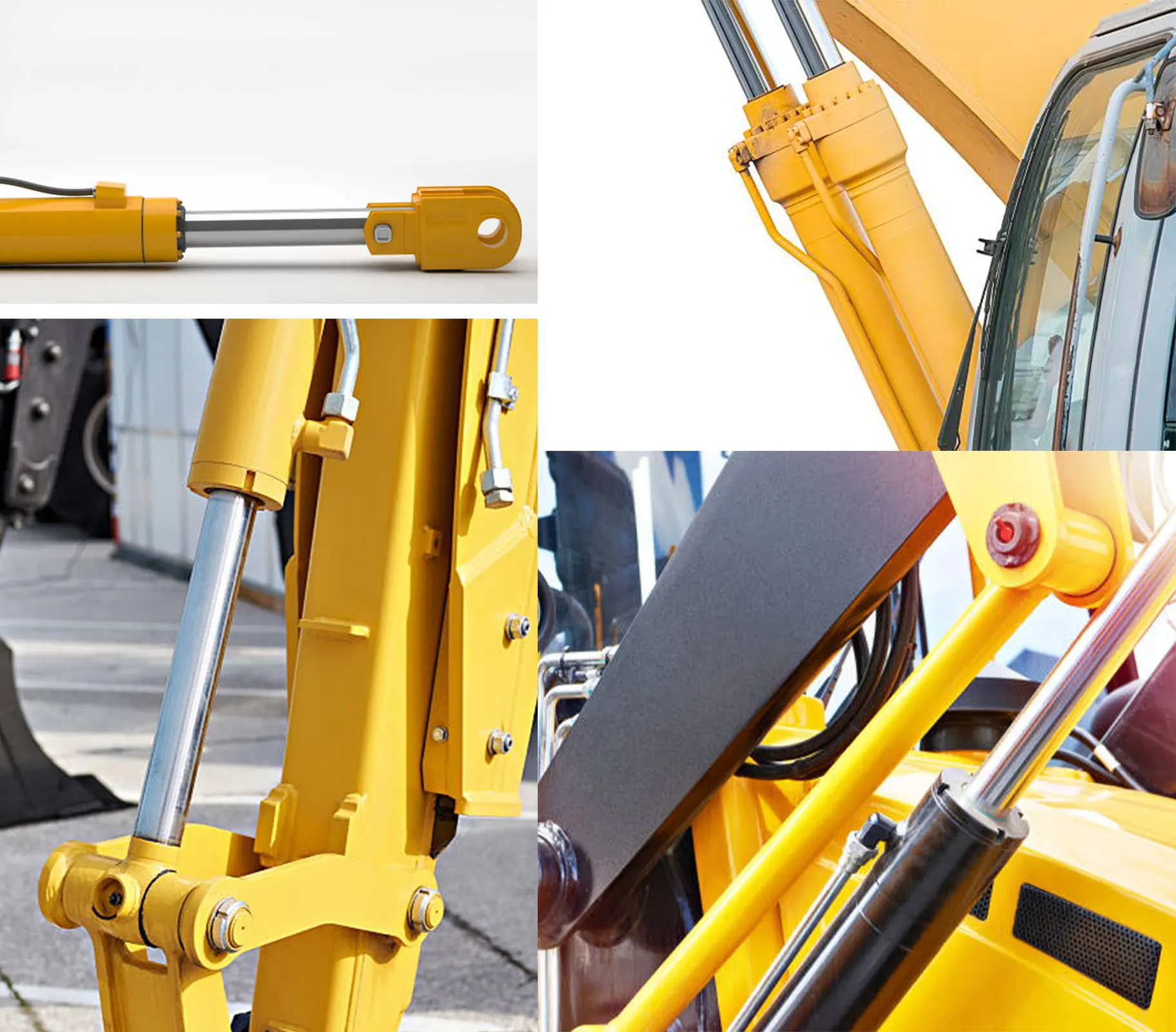
Core Working Principle and Technical Characteristics
Imagine a loader tipping its bucket sideways mid-load, and without a dependable side dump cylinder, it’d bind up quick – that’s where the double-action magic comes in, pushing fluid to extend or retract the piston for controlled flips. We’ve tinkered with these for decades, noting how the vivacious piston structure excels in linear force delivery, with manufacturing emphasizing welded joints to withstand vibrations. In tough Korean quarries, this prevents cylinder body twists from biased dumping. The key? Matching bore sizes – say 100mm to 250mm – to the loader’s hydraulics, ensuring flow rates of 40 L/min keep responses snappy. Materials like Q345D provide yield strengths over 345 MPa, ideal for plated surfaces that resist abrasion in dust-laden air. Don’t skimp on seals; we’ve witnessed leaks from subpar ones after 3000 cycles, but quality versions endure 15,000. This principle integrates into the flip subsystem, acting as the muscle for angled dumps. Operators often forget environmental ratings like IP55 shield internals from particulates. In our tests, we simulate side loads to verify no deformations occur under 10-ton pressures. It all boils down to precision engineering that minimizes failures like rod bending.
Peeling back layers, the vivacious type shines in biased work conditions, with chrome treatments adding 0.05mm layers for corrosion fight. Typical breakdowns? Cylinder distortions from overloads, which we’ve dodged by suggesting thickened walls – up to 10mm extra. For pros in the field, integration means syncing with 250 bar systems, where overload factors of 1.8 buffer peaks. We’ve spotted in Germany how DIN 24336 standards demand such robustness. Brazil’s humid ops benefit from heat-tolerant alloys preventing expansions. Adaptability is the gem – custom rods from 50mm diameter manage varied thrusts. Upgrading? Think reduced maintenance; stable flips mean fewer adjustments, less wear on the rig.
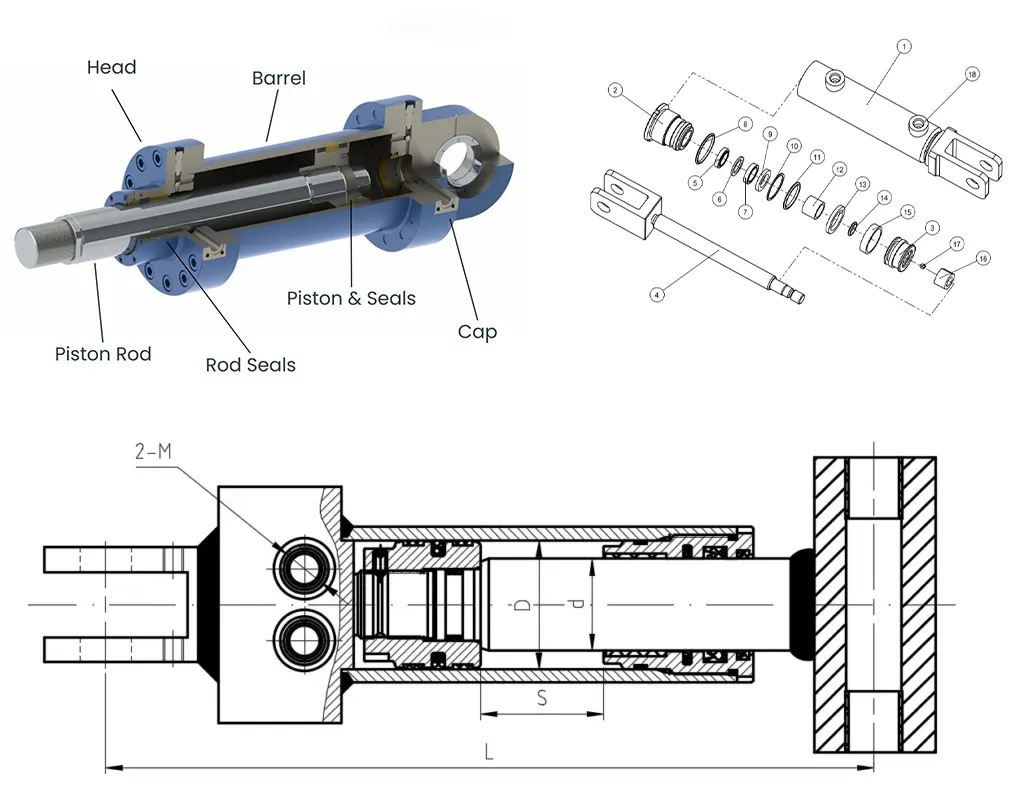
| Parameter | Specification | Notes |
|---|---|---|
| Bore Diameter | 100-250 mm | For varying load capacities |
| Stroke Length | 500-2000 mm | Matched to bucket flip range |
| Operating Pressure | Up to 350 bar | Handles biased dumps |
| Material | Q345D Steel | Welded for strength |
| Surface Treatment | Chrome Plating | Resists dust and wear |
| Compatibility | Models | Notes |
|---|---|---|
| Loader Brands | John Deere, Caterpillar, Komatsu | Direct fit with adapters |
| Mounting Types | Pin-eye, clevis | For side flip subsystems |
| Industry Standard | Reference | Compliance |
|---|---|---|
| ISO 6020 | Hydraulic cylinders | Dimensional interchange |
| DIN 24336 | Safety requirements | Overload protection |
Specific Application Scenarios for Side Dump Cylinders
Loaders in backfilling ops often deal with lopsided materials, and that’s precisely when side dump cylinders prove their worth – flipping the bucket laterally to spread evenly without repositioning the whole machine. In mining, dust clouds are constant, but these cylinders with plated rods push through, supporting flips under 4-ton loads. We’ve equipped them for Korean port expansions, where space is tight and quick side dumps keep cargo flowing; the double-action ensures no jams from biases. Urban recycling? They handle debris sorting with precision, avoiding spills in confined alleys. Australia’s dry quarries test endurance, yet Q345D builds resist cracking. Welded designs absorb shocks in rough terrain like forests, where logs demand angled empties. Subsystems link flawlessly to loader controls for seamless angling. For coastal Brazil, salt spray calls for extra platings. Workloads hit 8-ton peaks, and deformations? Countered with beefed-up tubes. Pair with pressure regulators for steady performance. Versatility reaches agriculture, flipping manure in barns. Germany’s Machinery Directive 2006/42/EC requires built-in safeties, like our relief valves. South Africa’s MHSA stresses mine durability, matching our dust grades. Korea’s Occupational Safety Act limits vibrations, so our cylinders dampen by 12% for operator comfort.
In Russia’s frosty yards, cylinders tackle -35C with special fluids; no stiffening. Thailand’s wet rice fields use them for soil spreading, mud-proof seals key. Saudi sands require grit resistance, our chrome excels. Why do some loaders outlast others? It’s tuning to conditions like these. US OSHA mandates fail-safes, standard in ours. Brazil ABNT focuses eco impacts, so low-leak designs fit. Australian AS emphasizes fatigue for endurance. Global shifts toward green regs, like Korea’s Clean Air Act pushing efficient hydraulics.

Trends and Regional Analysis in Hydraulic Cylinder Technology
Peering into the future, side dump cylinders are evolving with sensor embeds for predictive maintenance – we’ve tested models alerting to wear before failures, slashing stops by 15%. In Korea’s New Deal infra push, efficiency models saving 8% fuel are surging. Germany’s 4.0 automation favors feedback-equipped units. Brazil’s builds lean modular for fast changes. Australia seeks recycled materials per climate laws. South Africa combats corrosion in mines with advanced coats. Russia sources locally amid constraints, stressing cold-proofing. Thailand’s farm tech wants compact designs. Saudi’s 2030 vision funds robust tech for deserts. Worldwide, electro-hydraulic mixes cut noise – ideal for Korea’s cities. Hurdles? Chain disruptions, but we buffer with inventories. Customization opens doors; many ignore tweaks like desert seals. Blending old-school welding with smart diagnostics keeps us ahead. This means cylinders optimize dumps beyond basics.
US tops consumption, EPA requiring leak-free for enviro. Europe REACH curbs chrome, sparking alternatives. Asia booms, Korea K-OSHA prioritizing safety with damped vibes. We’ve adapted, lifting uptake. SWOT: Strengths – 200k sets/year trumps rivals. Weaknesses – steel cost swings, hedged via contracts. Opportunities – Korea projects, mining ties. Threats – fakes hurt trust, certs defend.
SWOT Analysis of Our Hydraulic Side Dump Cylinders
- Strengths: Q345D build yields 25% extended life; customs suit varied loaders.
- Weaknesses: Upfront costs higher (recouped via durability); custom waits up to 5 weeks.
- Opportunities: Korea infra growth; OEM mining collabs.
- Threats: Material price fluxes; cheap imports sans quality.
Customer Success Stories
Consider this Korean logistics firm in Busan – their loaders struggled with biased dumps in port dust, leading to frequent barrel warps. We fitted custom side dump cylinders with thickened tubes, and suddenly, flips were seamless, dropping repairs by 35%. They now manage 10-hour shifts flawlessly, crediting the plating for grit resistance. In Australia, a quarry operator in Sydney battled heat-induced failures; our Q345D units with enhanced seals endured, stretching maintenance to 8 months. They saw 18% efficiency gains from stable operations. Over in Brazil, a construction team in Rio faced muddy biases twisting cylinders; our double-acting designs balanced perfectly, no more deformations. They’ve restocked thrice, saying local reg compliance aided project wins.
Why Choose Ever-Power for Your Hydraulic Solutions
Ever-Power has carved a niche over 20 years in mechanical and hydraulic transmissions, boasting 50,000 square meters of factory space and 1,500 skilled workers. Our CNC centers churn out precision like no other, especially for hydraulic cylinders in engineering rigs. Clients return for our custom prowess – drawings to reality in weeks, with 24/7 support. Quality at sharp prices, thoughtful service? That’s us, extending to aerial cylinders, Sany heavies, sanitation lifts, telescopic booms. Send samples for perfect fits. Get a Quote

Frequently Asked Questions
Hey, what’s the top hydraulic side dump cylinder for loaders in dusty Korean construction zones?
For those powdery Korean sites, a double-acting piston with Q345D and chrome would dominate – repels dust superbly. We’ve installed heaps, lasting through rains sans deformations via thickened barrels. Aim for 300 bar pressures to manage biases.
How do I fit a side dump hydraulic cylinder to my German engineering loader?
Drain lines first, align pins – torque to 200 Nm. Under DIN, secure hoses leak-free; cycle low-pressure tests. Takes about 3 hours with proper gear, we’ve guided many.
Which materials suit hydraulic side dump cylinders best for Brazilian mining loaders?
Q345D welded steel excels in Brazil’s rough mines, add treatments for humidity. Outperforms in preventing rust, team with tensile seals for endurance.
Where to source custom side dump cylinders for Australian outback loader applications?
From our facility – we tailor for heat with alloys. AS 4024 regs demand safeties; our overload guards fit. Specs in, quote out swift.
When to swap out the side dump cylinder in my South African mining loader?
Spot uneven flips or leaks post 4,000 hours. MHSA insists inspections; we suggest biennial changes in grit to sidestep halts.
What common breakdowns hit hydraulic side dump cylinders in Russian cold loader ops?
Seal splits or fluid gels at -40C – we use low-vis oils to fight. Bias grinding too; thickened tubes aid. GOST compliance ensures sturdiness.
How much for a hydraulic side dump cylinder in Thai agricultural loaders?
Varies by spec, from $600 base. Thailand humidity? We build resistant; customs bump 15%. Solid ROI on longevity.
Which providers supply dependable side dump cylinders for Saudi loader projects?
We offer sand-resilient designs for deserts. SASO aligned, handle 55C. Supplied Vision 2030 sites with success.
Where can I purchase replacement side dump cylinders for US construction loaders?
Direct from us – OSHA-ready with leak controls. Fits models wide; nationwide ship, fast turnaround.
What upkeep advice for side dump cylinders in Korean industrial loaders?
Monthly filter cleans, quarterly wear checks per K-OSHA. Greasing joints averts twists; stick to spec fluids.
How to pick the ideal stroke for side dump cylinders in Brazilian loaders?
Align to flip arc, like 1200mm for midsize. ABNT safeties key; we’ve customized for wet grounds well.


























