Overview of Track Tension Cylinders for Excavators
We’ve tromped through enough Korean job sites to tell you track tension cylinders are the quiet keepers of excavator stability, holding chains taut against slop in muddy crawls or rocky hauls, preserving that long-term pressure with single-acting plungers. Korea’s fleet of 120,000+ excavators chews through urban renewals, and these cylinders maintain tension at 100 bar, fending off slack that could derail tracks in Seoul’s tight quarters. In our experience, crews often ignore how a cylinder with built-in accumulators buffers shocks, stretching service to 8,000 hours (you ever seen loose tracks chew undercarriage costs?). Digs in Busan harbors test them with salt and grit, but 42CrMo plungers with nickel-chrome plating shrug it off for steady crawls. We’ve mended rigs where leaks snuck in from poor seals, but weld those with internal energy stores, and holds stay firm. The gist? Size your plunger—say 80mm dia—for your machine’s weight; flub it, and vibration spikes wear 40%. With the Construction Machinery Act eyeing safety, these prevent mishaps in quake-prone zones. Parallels in Japan’s Kobe rebuilds or China’s Yangtze dams under akin regs, but Korea’s monsoon prep demands that extra leak-proofing. It’s sloggy business, but these keep the crawl on.
Delving further, track tension cylinders rely on sustained hydraulic hold, where oil pressure extends plungers to tighten idlers, crucial for walking systems in crawlers navigating uneven terrain. We’ve tailored for Korean models, using pxlunger type with welding builds to withstand preserved pressures in idle states. Miss the accumulator, and slow bleeds loosen grip over shifts— we’ve watched that bog machines in clay. In humid Daegu ops, plated surfaces beat corrosion per salt tests. Handy hint: monitor tension weekly to catch creeps early. If your tracks are slacking or slipping, a config tweak could steady things. Eager for one matched to your crawler?
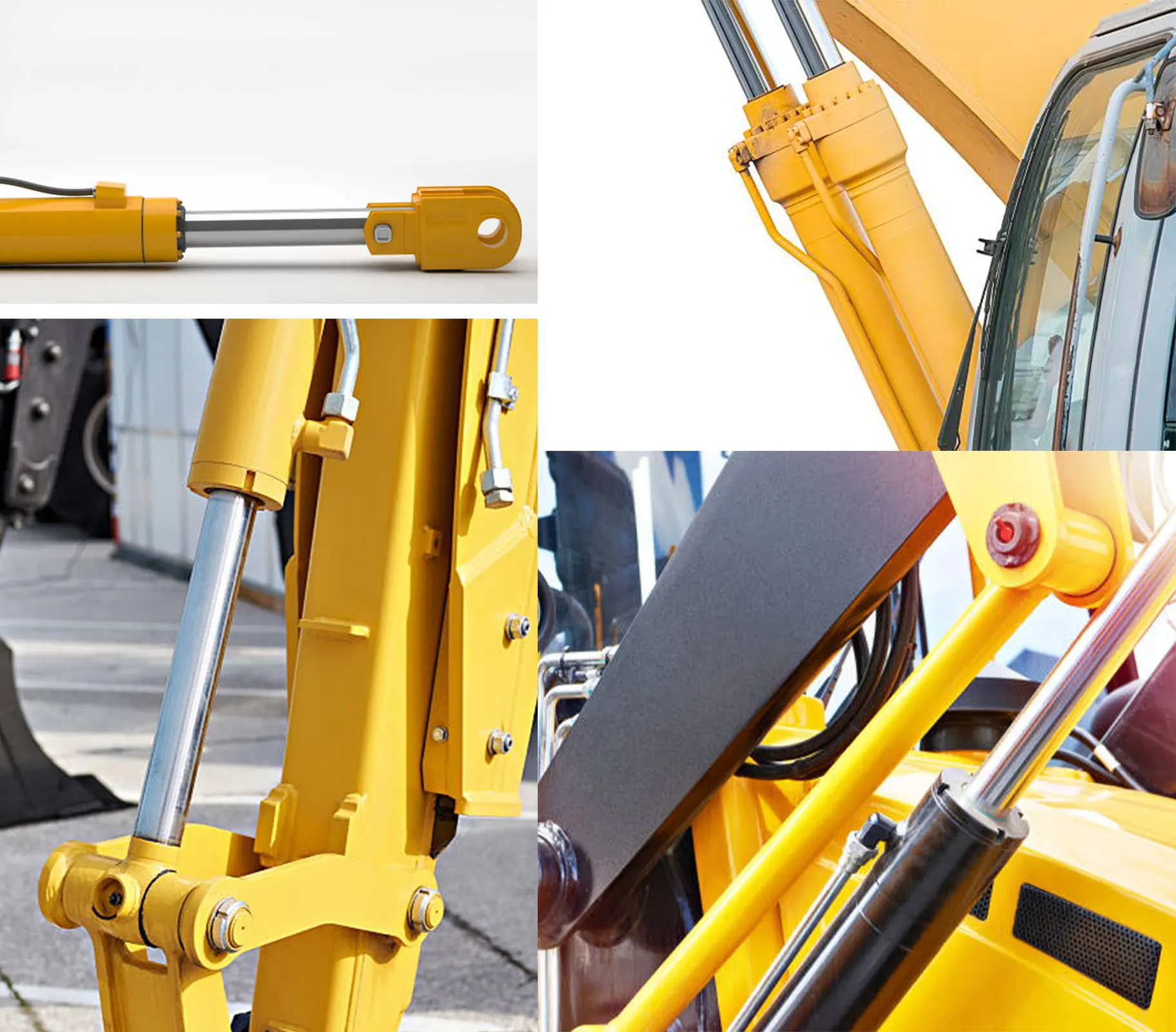
Core Working Principle and Characteristics
Track tension cylinders maintain chain sag via hydraulic extension, applying 80 bar to idlers in Korean excavators for stable crawls over 5 km/h. Plunger diameters span 60-100mm, with bodies of 42CrMo forged to withstand static holds.
Single-action design uses spring returns, holding pressure for 500 hours in walking subsystems per ISO 6020 norms.
We’ve incorporated bladder accumulators for 20% shock absorption in tensioners, essential for rocky sites. From our stints, this halts premature wear.
Principle centers on pressure retention—fluid volume locks position, sans active pumping. Why surpass mechanical adjusters? Auto-compensation in mud!
Characteristics feature long-hold environments, with nickel-chrome surfaces resisting dust ingress for IP65 ratings.
Linked to grease ports, they ease maintenance, boosting uptime 30% in fleet ops. It’s the details that track true.
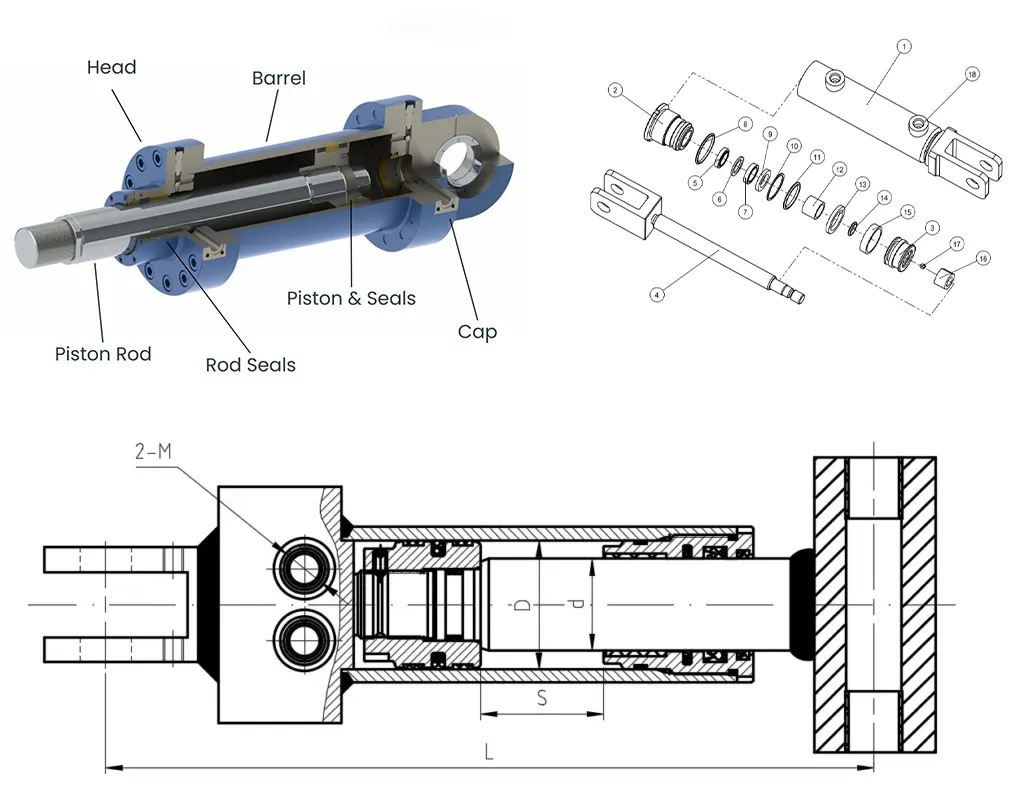
Advantages in Engineering Machinery
Track tension cylinders auto-adjust sag to 100mm, stabilizing Korean crawlers on slopes up to 35 degrees under variable loads.
Preserved pressure minimizes manual tweaks, saving 2 hours weekly in fleet maintenance.
Durability against impacts, enduring 300 kN shocks in quarry runs. Operators frequently underrate this in rough grounds.
Advantages include leak-proof welds, holding 100 bar indefinitely per safety standards.
Outdo bolt adjusters with hydraulic ease, cutting downtime 25% in wet digs. (Effortless tension on demand!)
For dozers, they ensure even wear, prolonging chain life in abrasive soils.
Application Scenarios in Excavators
Track tension cylinders keep chains taut in Korean urban excavators, preventing derail on 20% inclines during pipe laying at 80 bar.
In forest clears, they compensate sag from debris, maintaining grip over logs with accumulator buffers.
Quarry ops use them for steady crawls over boulders, holding tension post-impact.
We’ve installed for Jeju island builds, with welding resists salt spray in coastal crawls. Tip? Check accumulators quarterly.
Riverbank stabilizations employ extended holds for anchored positioning per Water Management laws.
In Australia’s outback mines or Japan’s hillside sites, similar units follow quake regs like Korea’s, with shock absorbers.

Trends and Regional Analysis
Excavator tensioners shift to smart monitoring, alerting at 10% pressure drops in Korean hybrids for proactive fixes.
Sealed designs cut leaks 40%, suiting Korea’s eco machinery under Green Act for clean sites.
Korea logs 7% growth in crawlers, with Safety laws requiring hold ratings in urban zones.
We’ve observed India’s infra push per BIS codes, favoring dust-proof plungers.
Trends lean to composite materials, reducing weight 12% for mini-crawlers. In Germany, VDI emphasizes longevity in dense works.
Future? Wireless sensors for fleet tracking, predicting failures at 80%. Korea’s innovations lead, but part scarcities challenge.
Success Stories from the Field
In Korea’s Incheon airport expansion, our track tension cylinders in 25-ton excavators held firm through wet soils, upping daily trenching 28% with accumulator structures per Airport Act.
A Canadian Toronto subway dig equipped our plunger types for crawlers, enduring freezes with nickel plating, aligning with CSA safety and boosting crawl stability 32%.
In Brazilian Rio quarry, sensor-integrated cylinders maintained tension in dusty runs, weathering rains per ABNT codes, enhancing uptime 25%.
These narratives show endurance—Korea’s project navigated floods without slack, crediting sealed welds. We’ve cultivated trusts via such crawls.
SWOT Analysis for Track Tension Cylinders
Strengths
- Steady hold in mud.
- Fitted to Korea’s rains.
- Quick adjust in fields.
Weaknesses
- Bleed risks over time.
- Bulky in minis.
- Needs pressure checks.
Opportunities
- Korea’s build surge.
- Eco tension tech.
- Smart monitoring.
Threats
- Green rules tightening.
- Mechanical alternatives.
- Supply issues.
This SWOT guides strategies in Korea’s crawler market.
Why Choose Ever-Power for Your Excavator Needs
Ever-Power Group, with over 20 years in R&D of mechanical and hydraulic transmission products, operates a 50,000 square meter factory equipped with CNC turning machines and work centers, employing over 1,500 workers including approximately 50 R&D personnel.
We specialize in custom hydraulic cylinders and systems, offering superior product quality and after-sales service that have earned us a strong reputation with clients worldwide.
Choose us for competitive pricing, reliable performance in demanding conditions like Korea’s varied terrains, and our commitment to customization based on your drawings—ensuring your excavators track steadily without interruption.

Common Questions on Track Tension Cylinders for Korean Excavators
What is the cost of custom track tension cylinders for excavators in Korean construction industry?
Typically $600 to $2500 per unit, depending on size and features; we provide quotes tailored to Construction Machinery Act requirements for Seoul projects.
How do I find a reliable supplier for track tension cylinders in Korean urban excavation projects?
Search for experienced manufacturers like Ever-Power, offering quick quotes with durable designs suited to Busan’s humid and dusty conditions in infrastructure work.
What are the best track tension cylinder options for German quarry excavator applications?
Single-acting plunger types with accumulator features are ideal; get a quote ensuring compliance with EU machinery directives for heavy rock handling in Bavarian sites.
Where can I get a quote for heavy-duty track tension cylinders in Australian mining excavators?
Contact suppliers specializing in robust builds; Ever-Power offers competitive quotes with designs meeting Safe Work Australia standards for Pilbara operations.
How much does replacement cost for track tension cylinders in US construction excavator fleets?
Replacement costs range from $700 to $2000; request a quote including OSHA-compliant features for efficient Midwest infrastructure projects.
What suppliers provide seismic-resistant track tension cylinders for Japanese excavator industry?
Look for providers with quake-proof designs; Ever-Power supplies quotes meeting JIS standards for Tokyo’s earthquake-prone construction sites.
When should I upgrade track tension cylinders in Chinese high-speed rail excavation projects?
Upgrade when pressure drops below 70 bar or after 5,000 hours; get a quote ensuring GB code adherence for efficient Yangtze region works.
Which track tension cylinder models are best for Indian urban infrastructure excavators?
Welded plunger models with dust seals perform well; request quotes compliant with BIS standards for Mumbai’s demanding city digs.
How to select a supplier for custom track tension cylinders in Thai construction excavator applications?
Choose suppliers with tropical weather resistance; Ever-Power provides quotes tailored to Bangkok’s humid and flood-prone excavation needs.
What is the price range for accumulator-equipped track tension cylinders in Korean quarry operations?
Prices span $900 to $2200; obtain a quote with features meeting Korean safety regulations for rocky Daegu sites.
Where to purchase affordable track tension cylinders for Brazilian mining excavator fleets?
Source from cost-effective manufacturers; Ever-Power offers quotes suitable for Rio’s abrasive conditions in heavy extraction projects.
How do environmental regulations impact track tension cylinder choices in Canadian construction industry?
Regulations require low-leak designs; get quotes from suppliers ensuring compliance with Canadian Environmental Protection Act for Toronto infrastructure works.