Excellent Quality Small Dump Truck Hydraulic Hoist Cylinder
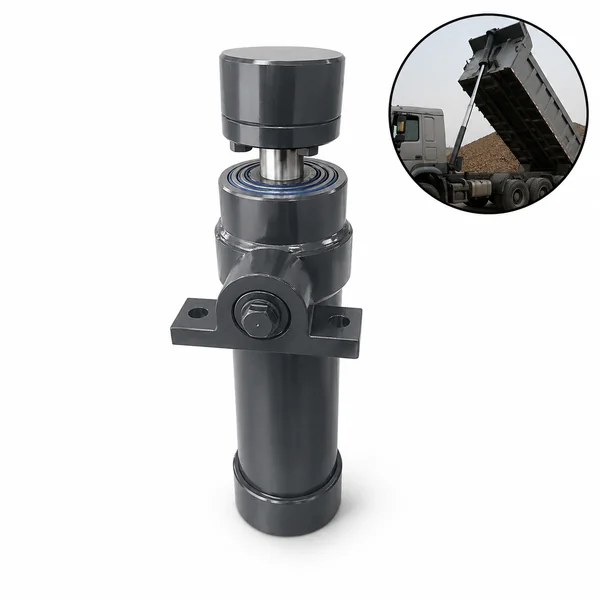
SMALL DUMP TRUCK · HOIST
Excellent Quality
Small Dump Truck
Hoist Cylinder
Contamination Kills Cylinders — Filtration Saves Them
Korea Ever-Power manufactures this telescopic hoist cylinder to excellent quality standards — but manufacturing quality alone does not guarantee long service life. The hydraulic fluid the cylinder operates in must also be clean. Contamination — microscopic particles, water, and chemical degradation products — is the leading cause of premature cylinder failure across the entire hydraulic industry.
Small dump trucks are especially vulnerable to contamination because their hydraulic systems use smaller reservoirs (less dilution capacity), simpler filtration (sometimes just a suction strainer), and operate in dusty construction and agricultural environments. Understanding how contamination enters the system, how to measure it, and how to prevent it is the single most effective way to extend cylinder service life — more effective than any manufacturing upgrade. 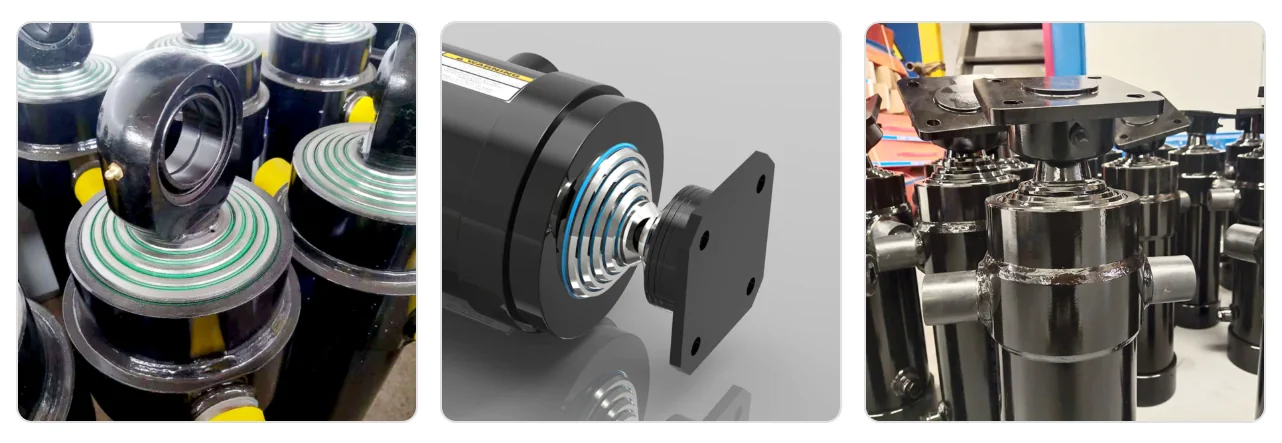
Small Dump Truck Hoist Cylinder — Parameters
| Bore / Rod / Stroke / Pin | 2–6″ / 1.125–4″ / 4–100″ / 0.5–2″ |
| Port Options | G / SAE / NPT / M |
| Recommended Fluid Cleanliness | ISO 4406 — 18/16/13 or cleaner |
| Body / Certification | Steel / ISO 9001 / 100% pressure tested |
| Lead Time / Warranty | 25–35 days / 1 year |
Five Ways Contamination Enters the Hydraulic System
Metal chips, weld spatter, machining swarf, and assembly debris left inside the cylinder or hydraulic lines during manufacturing. Korea Ever-Power flushes and cleans every cylinder after assembly — but contaminants can also originate in hoses, fittings, and the reservoir. Always flush the entire hydraulic system before first use, and run the system through a filter for the first 50 operating hours to capture any residual manufacturing debris.
Dust, sand, and environmental debris coat the exposed plunger surface when the cylinder is extended. During retraction, the wiper seal scrapes most of this debris off — but fine particles (under 10 microns) pass the wiper lip and enter the cylinder. In dusty construction and agricultural environments, this ingression is continuous and is the primary ongoing source of contamination throughout the cylinder's service life.
The cylinder generates its own contamination through normal wear: microscopic metal particles from the bore surface, guide ring material, seal fragments, and chrome particles from the plunger. These internally generated particles circulate in the fluid and cause further wear — a self-accelerating cycle where contamination creates more contamination. Filtration breaks this cycle by removing particles before they can cause secondary damage.
Every time the hydraulic system is opened — to add fluid, change a filter, replace a hose, or service a valve — contamination can enter. Pouring unfiltered fluid from a drum into the reservoir introduces particles from the drum. Leaving hose ends uncapped while working on the system allows dust to enter. Using dirty funnels, rags, or tools near open hydraulic connections introduces debris. Maintenance discipline is a contamination prevention measure.
As the cylinder extends, fluid leaves the reservoir — drawing air in through the breather cap. As the cylinder retracts, fluid returns and air is pushed out. This breathing cycle draws atmospheric dust and moisture into the reservoir with every tipping cycle. A standard mesh breather cap stops large particles but passes fine dust. A desiccant breather (with a particulate filter element) stops both dust and moisture — a significant upgrade for small dump trucks operating in dusty environments.
ISO 4406 — Measuring Fluid Cleanliness
ISO 4406 is the international standard for reporting hydraulic fluid cleanliness. It uses three numbers (e.g. 18/16/13) representing particle counts at three size thresholds: ≥4 µm, ≥6 µm, and ≥14 µm per millilitre of fluid. Lower numbers mean cleaner fluid. A fluid sample is analysed with an automatic particle counter and the result is reported as a three-number code.
| Cleanliness Level | ISO 4406 Code | Typical Application |
|---|---|---|
| Very clean | 15/13/10 | Servo valves, precision systems |
| Clean | 17/15/12 | Proportional valves, mobile equipment |
| Acceptable | 18/16/13 | Dump trucks — recommended target |
| Marginal | 20/18/15 | Low-pressure systems, pumps only |
| Dirty | 22/20/17+ | Accelerated wear — change fluid immediately |
Target ISO 4406 cleanliness level 18/16/13 or better. This is achievable with a 10-micron return-line filter, a desiccant breather, and regular fluid changes. Most small dump truck hydraulic systems are running at 20/18/15 or dirtier — simply adding a 10-micron return filter can drop the contamination level by 2–3 ISO codes within 50 operating hours. This improvement costs under $100 in filter hardware and extends hydraulic cylinder seal life by 2–3×.
Filtration Upgrades — Three Low-Cost Changes That Extend Cylinder Life
1. Return-Line Filter (10 µm)
Install a 10-micron filter on the return line between the cylinder and the reservoir. This captures particles generated by the cylinder and ingressed past the wiper seal BEFORE they return to the reservoir and recirculate. This is the single most effective filtration upgrade for a small dump truck hydraulic system — most small trucks have only a suction strainer (100+ micron), which catches almost nothing at the particle sizes that damage seals.
2. Desiccant Breather
Replace the standard mesh breather cap with a desiccant breather that includes a particulate filter element. This stops atmospheric dust AND moisture from entering the reservoir during the breathing cycle. Combined with a return-line filter, the desiccant breather addresses two of the five contamination sources (breathing and moisture) in a single component.
3. Fill Filtration
Never pour unfiltered fluid directly from a drum into the reservoir. New hydraulic fluid from a sealed drum is typically at ISO 4406 level 21/19/16 — dirtier than the target level for the hydraulic system. Use a filter cart or transfer pump with a 10-micron filter element when filling the reservoir. This prevents introducing contamination during every fluid top-up or change — eliminating the maintenance contamination source.
OEM & ODM — Contamination-Resistant Cylinder Specification
Contamination & Filtration — FAQ
Field Reports
I was replacing hoist cylinder seals every 8 months — thought the cylinders were low quality. When I read this contamination guide, I had my fluid tested: ISO 4406 level 22/20/17 — severely contaminated. I installed a $90 return-line filter (10 micron), replaced the breather cap with a desiccant breather ($35), and changed the fluid with filtered fill. Retested after 100 hours: 17/15/12. The Ever-Power cylinder is now at 16 months without a seal replacement. The contamination was the problem, not the cylinder. This guide should be the first thing every dump truck operator reads.
Our 12 small dump trucks all run Ever-Power telescopic cylinders. We implemented the three filtration upgrades from this page across the entire fleet: return-line filters, desiccant breathers, and filtered fill. Annual seal replacement cost dropped by 65% in the first year. The cylinders are the same — the fluid cleanliness is what changed. We now include fluid contamination testing (ISO 4406) in our quarterly maintenance schedule. Any truck showing contamination above 19/17/14 gets a filter element change and fluid flush immediately. Prevention is far cheaper than repair.
Other Hydraulic Cylinder Categories
Ek bilgi
| Editor | Cxm |
|---|
İlgili ürünler
-
Manufacturer Supplier Double Acting Telescopic Hydraulic Cylinder For Dump Truck
-
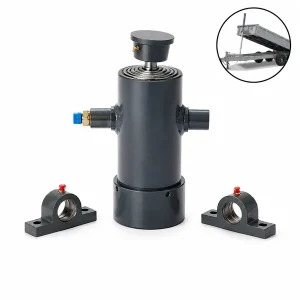
New Arrival Double Acting Dump Truck Telescopic Hydraulic Cylinder For Sale
-

High Quality Small Hydraulic Cylinder Telescopic Hydraulic Cylinder For Dump Truck
-
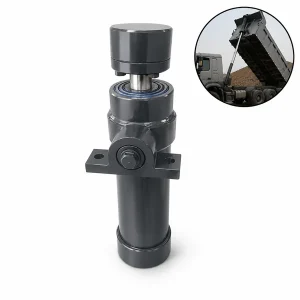
Factory Direct Sale Dump Truck Hydraulic Hoist Cylinder
-
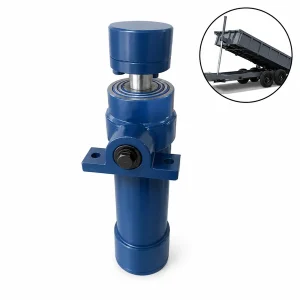
Professional 5 Stage Telescopic Dump Truck Hydraulic Cylinder
-
New Arrival Dump Truck Double Acting Telescopic Hydraulic Cylinder
-
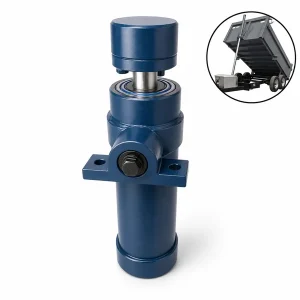
2 Stage Small Dump Truck Hydraulic Cylinder — Multistage Telescopic
-
Strong Stable Telescopic Hydraulic Cylinder — Multistage for Dump Trailer