
Scissor Fork Aerial Work Vehicle Lifting Hydraulic Cylinder
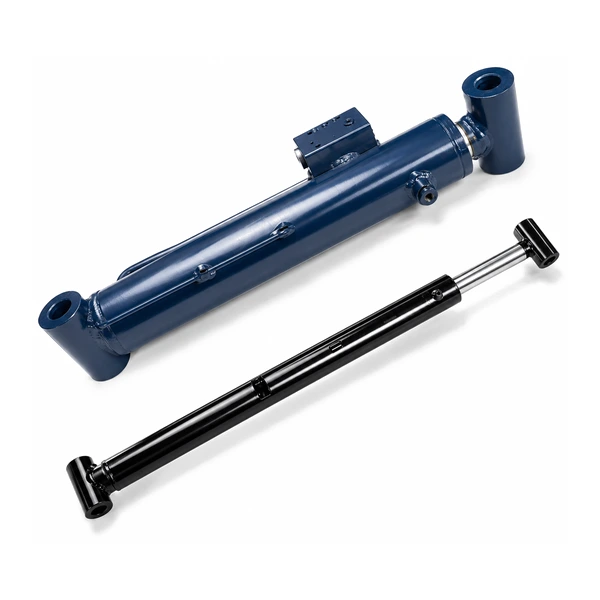
Technical Specifications — 3 Scissor Lift Cylinder Models
Three models cover the full range of scissor lift platform heights — from compact electric indoor units to heavy-duty rough-terrain outdoor machines. All dimensions in millimetres.
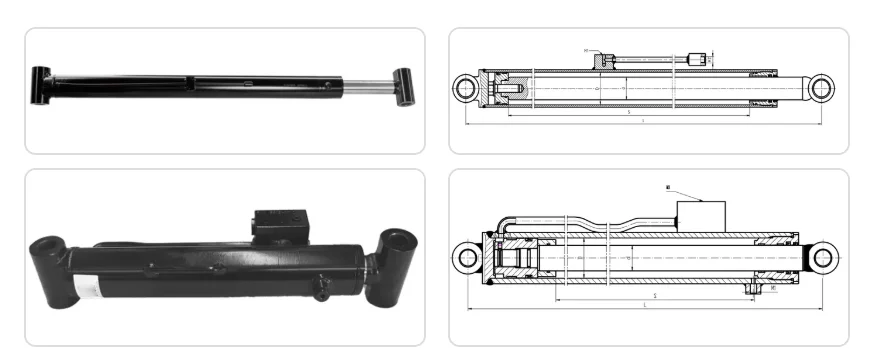
| Cylinder Name | Drawing Number | Bore (D) | Rod (d) | Stroke (S) | Install Dist (L) | Pressure | Ports (M) | Weight |
|---|---|---|---|---|---|---|---|---|
| Lifting cylinder | 78XEN-620100-001 | Φ65 | Φ45 | 840 | 1075 | 18 MPa | G1/4; Φ6; M14×1.5 | 27 kg |
| Lifting cylinder | JCPT1212HD-531000-00A | Φ75 | Φ63 | 1269 | 1530 | 25 MPa | G1/4; M18×1.5 | 60 kg |
| Lifting cylinder | JCPT0607DCS-531000-00A | Φ63 | Φ40 | 563 | 812 | 20 MPa | G1/4; M18×1.5 | 17 kg |
How a Scissor Lift Cylinder Raises the Platform
The scissor lift cylinder does not push the platform up directly — it pushes the bottom of the scissor linkage outward, and the geometry of the crossing arms converts that horizontal push into vertical lift. This mechanical advantage changes continuously as the platform rises: at the bottom of travel (scissors nearly flat), the cylinder must produce maximum force because the geometric leverage is lowest; at the top of travel (scissors nearly vertical), the required force drops but the cylinder is near full extension and must hold the load as a structural column.
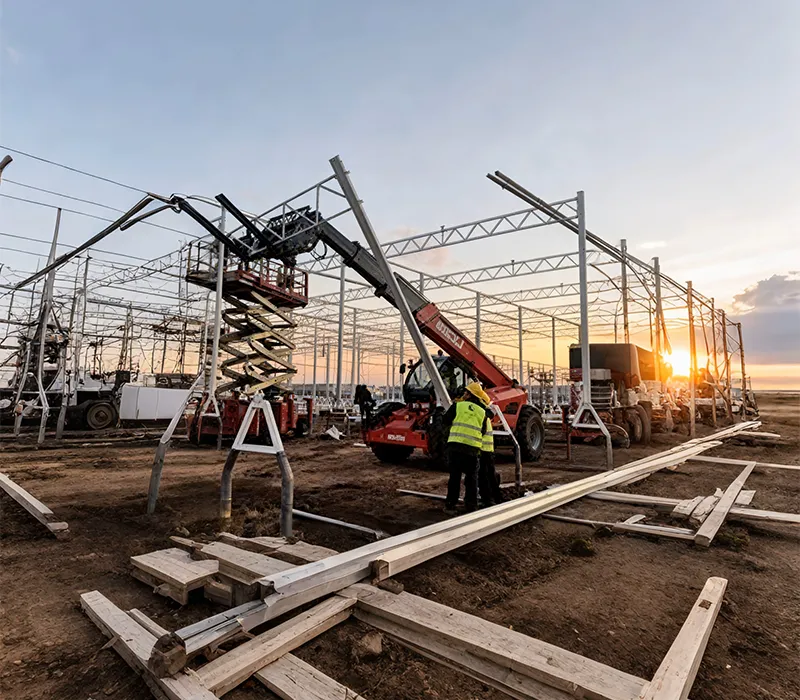
This is why scissor lift cylinders operate at higher pressures (18–25 MPa) than forklift lift cylinders (16–18 MPa) despite raising lighter loads. The force required at the cylinder rod is amplified by the scissor geometry's mechanical disadvantage at low extension — the cylinder must push with 2–4× the platform load to initiate the first stage of lift. The JCPT1212HD model operates at 25 MPa specifically to provide this initial breakaway force on heavy-duty rough-terrain platforms where the combined weight of the platform, guardrails, outriggers, and rated personnel load can exceed 3,000 kg.
The Composite Bearing Difference
Unlike a forklift lift cylinder that pushes vertically in a straight mast channel, the scissor lift cylinder pushes at a continuously changing angle as the scissors unfold. This angular motion imposes a side load on the piston rod that standard guide bushes cannot absorb without accelerated wear. The composite bearing (item 5) is a self-lubricating, high-load-capacity bearing designed specifically for this angular loading — it absorbs the misalignment without transmitting it to the rod seal, extending seal life by 30–50% compared to a cylinder using a standard Du bush in the same angular application.
Why Single-Acting for Personnel Platforms
Scissor lift cylinders are single-acting for the same safety reason as forklift lift cylinders: the cylinder cannot actively pull the platform down. If the hydraulic supply fails — hose rupture, pump failure, engine stall — the platform holds at height. Lowering requires the operator to deliberately open a metering valve that allows the platform weight to push the oil back to the tank at a controlled speed. This fail-safe architecture is required by EN 280 (Europe) and ANSI A92 (North America) for all mobile elevating work platforms (MEWPs) that carry personnel.
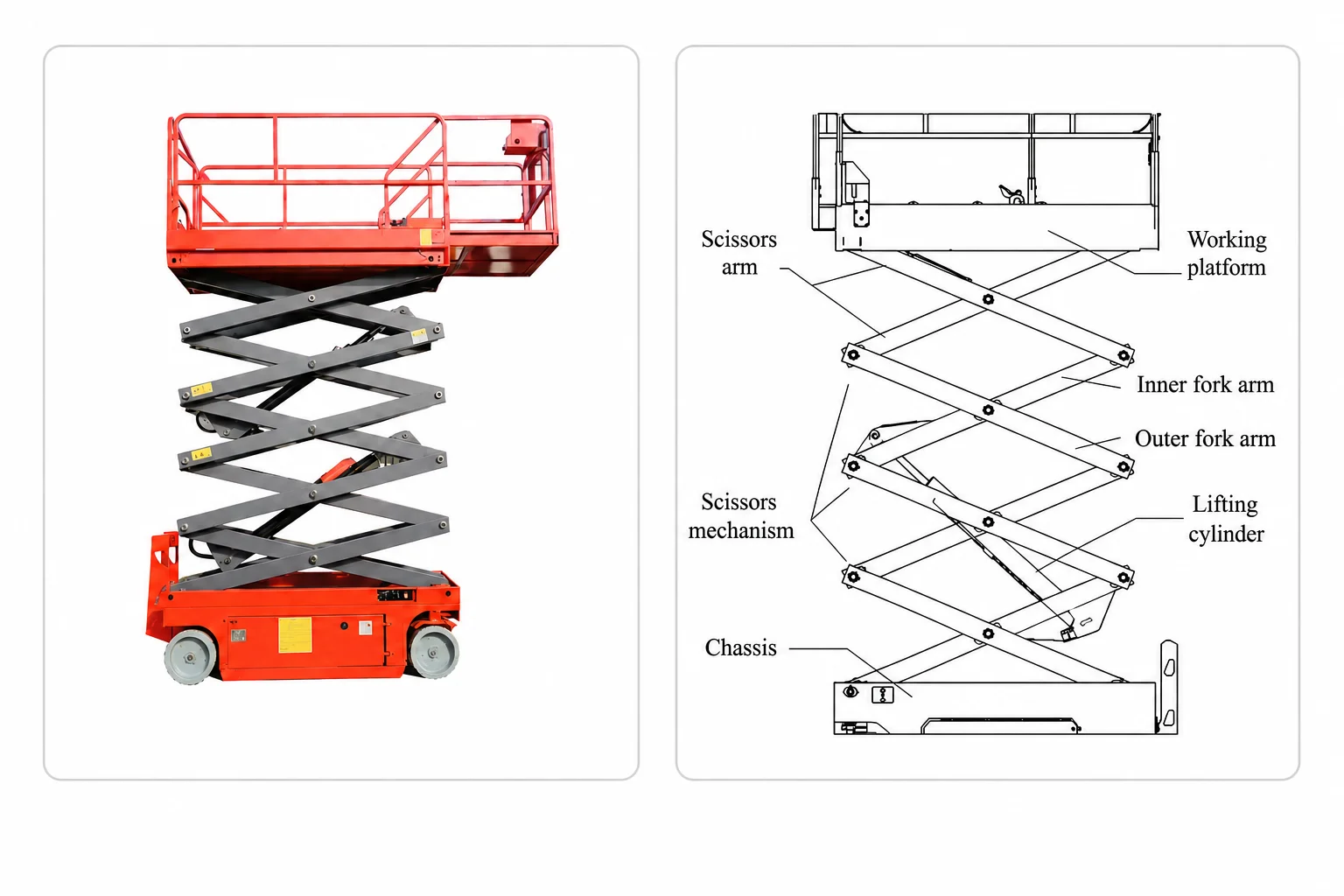
15-Component Architecture
The scissor lift lifting cylinder uses a 15-component architecture — more complex than the 8-component forklift cart cylinder, but more compact than the 25-component forklift tilt cylinder. The component count is optimised for the scissor lift's specific operating conditions: angular loading (composite bearing), long stroke (wear ring for piston support), and personnel safety (dust cover to protect the rod seal zone from construction-site debris).
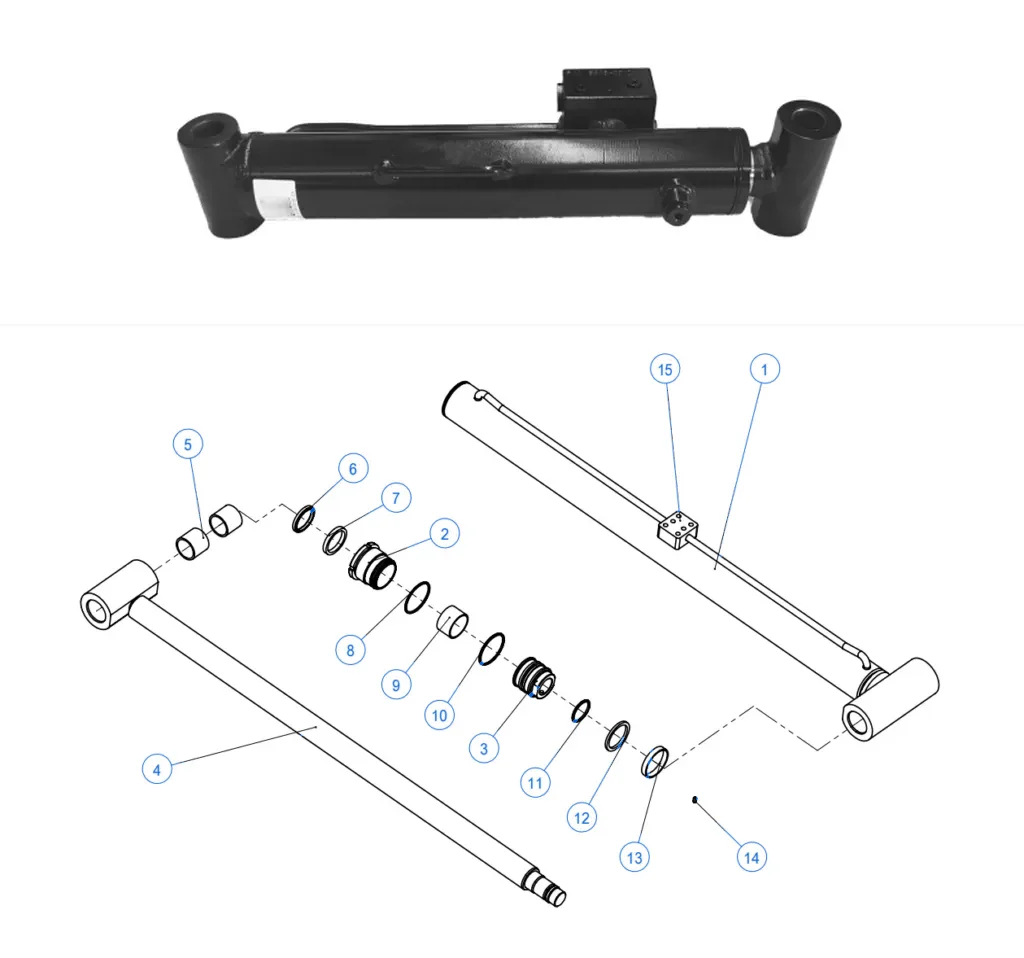
| # | Component | # | Component |
|---|---|---|---|
| 1 | Cylinder Housing Assy | 9 | Du Bush |
| 2 | Guide Bush | 10 | O-Ring |
| 3 | Piston | 11 | O-Ring |
| 4 | Piston Rod | 12 | Hole Seal |
| 5 | Composite Bearing ◆ | 13 | Wear-Ring |
| 6 | Dust Wiper | 14 | Set Screws |
| 7 | U-Ring | 15 | Dust Cover ◆ |
| 8 | O-Ring |
◆ Components specific to the aerial work vehicle lifting cylinder — the composite bearing handles angular scissor loads; the dust cover protects the rod seal zone on outdoor construction sites.
Model Selection — Match the Cylinder to Your Scissor Platform
JCPT0607DCS — Compact
Φ63 bore, 563 mm stroke, 20 MPa, 17 kg. For indoor electric scissor lifts used in warehouse maintenance, facility management, and light construction. The compact 812 mm installation distance fits the narrow chassis of electric scissor lifts designed for passage through standard doorways (≥ 800 mm).
78XEN — Mid-Range
Φ65 bore, 840 mm stroke, 18 MPa, 27 kg. For mid-range electric and diesel scissor lifts used in construction, industrial maintenance, and event staging. The triple-port interface (G1/4 + Φ6 + M14×1.5) accommodates both powered lowering and manual emergency descent configurations.
JCPT1212HD — Heavy-Duty
Φ75 bore, 1,269 mm stroke, 25 MPa, 60 kg. For rough-terrain (RT) diesel scissor lifts used in outdoor construction, shipyard maintenance, and infrastructure projects. Designed for outdoor heavy-duty applications on uneven ground. The Φ75 bore and 25 MPa pressure rating produce the highest lift force in the range — essential for the heavy-duty platform structures and extended outrigger systems on RT machines.
Aerial Work Vehicle Cylinder vs Forklift Cylinder — Key Engineering Differences
| Engineering Factor | Scissor AWV Cylinder | Forklift Lift Cylinder |
|---|---|---|
| Primary load | Personnel at height | Material / goods |
| Rod loading angle | Variable (scissor geometry) | Vertical (mast channel) |
| Bearing type | Composite bearing (angular load) | Standard Du bush |
| Max working pressure | 25 MPa | 18.1 MPa |
| Operating environment | Outdoor construction sites | Indoor warehouse |
| Dust protection | Dust cover + wiper | Wiper only |
| Safety standard | EN 280 / ANSI A92 (personnel) | EN 1726 / ASME B56 (goods) |
Scissor Lift Cylinder — Technical Questions
Customer Reviews
Verified Purchase · May 2025
Replaced the lifting cylinder on a JCPT0607 electric scissor lift — the original was weeping at the rod seal after about 4,500 hours. The Ever-Power replacement (JCPT0607DCS model) dropped right in. Port threads matched, stroke was exact, pin bores lined up perfectly. We did a full drift test with 300 kg on the platform at max height — zero measurable descent in 10 minutes. That's better than the original when it was new. Very pleased with the quality.
Verified Purchase · March 2025
We operate a rental fleet of 45 scissor lifts — mixed brands, indoor and outdoor. The lifting cylinders are our single biggest maintenance cost item because outdoor machines chew through rod seals in 2,000–3,000 hours from construction dust. We've been testing Ever-Power replacements with Hallite PTFE rod seals for the past 8 months on our outdoor fleet. Early results are promising — the PTFE seals are holding up significantly better than the standard polyurethane. If the trend continues, this will become our standard replacement across the fleet.
Verified Purchase · January 2025
The cylinder itself is well-made — good chrome, solid construction, composite bearing feels substantial. My only issue was with the dust cover fitment. The cover on the replacement was about 2 mm shorter than the original, which left a small gap at the rod end when fully retracted. We shimmed it with a washer and it works fine, but it would be better if the dust cover length matched exactly. Hydraulic performance is flawless — no complaints there.
Verified Purchase · June 2025
We are an authorised MEWP service centre. Our clients need fast turnaround — a scissor lift that's down costs the contractor $200–400 per day in hire charges. Ever-Power's 2–3 week lead time is much faster than the OEM channel (6–8 weeks for most brands), and the quality is at the same level. We've installed 11 lifting cylinders across 4 different scissor platform models. Zero warranty claims so far. This is now our primary aftermarket cylinder source for the scissor lift fleet.
Other Aerial Work Vehicle Cylinders
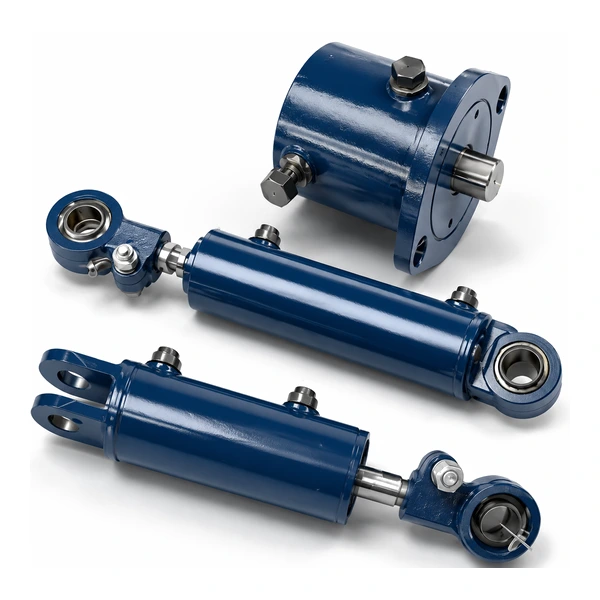
其他信息
| Editor | Cxm |
|---|
相关产品
-
Scissor Lift Lifting Cylinder | EP-HCYY11112003 Model
-
Boom Lift Hydraulic Cylinder Set | 8 Models | Bore Φ40–110mm
-
Scissor Lift Steering Cylinder | EP-HCYY11112004 Model
-
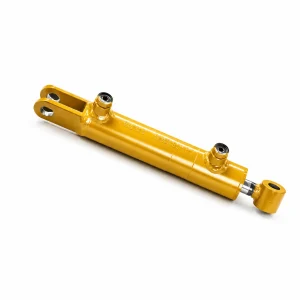
HCYY11112004 Steering Cylinder for Aerial Work Vehicles
-
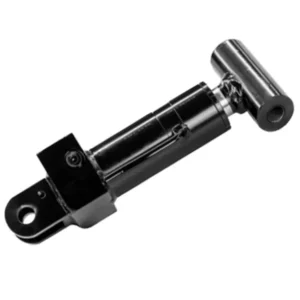
Boom Aerial Work Vehicle Floating Hydraulic Cylinder — Platform Levelling
-
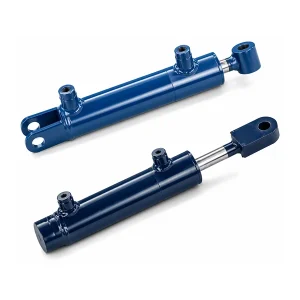
Scissor Fork Aerial Work Vehicle Steering Hydraulic Cylinder — Double-Acting
-

Scissor Fork Aerial Work Vehicle Steering Hydraulic Cylinder
-
Boom Aerial Work Vehicle Floating Hydraulic Cylinder


























