
Ro-Ro Platform Jacking Cylinder

Ro-Ro Platform Jacking Cylinder
The ramp reaches the quay — but the height is off by 200 mm. Vehicles cannot drive on safely. The jacking cylinder makes the final height adjustment at the ramp tip, bridging the gap between vessel deck and quay surface with millimetre precision.
Technical Specifications
| Parameter | Specification |
|---|---|
| Product Name | Ro-Ro Platform Jacking Cylinder |
| Features | Fine height adjustment of the ramp tip |
| Bore Diameter | 50 mm – 125 mm |
| Rod Diameter | 25 mm – 75 mm |
| Stroke | Up to 1,000 mm |
| Thrust Force | Maximum 361 KN (bore 125 mm / 29.4 MPa) |
| Working Pressure | Up to 29.4 MPa |
| Application | Ro-Ro Platform |
Why Precise Ramp Height Matching Matters
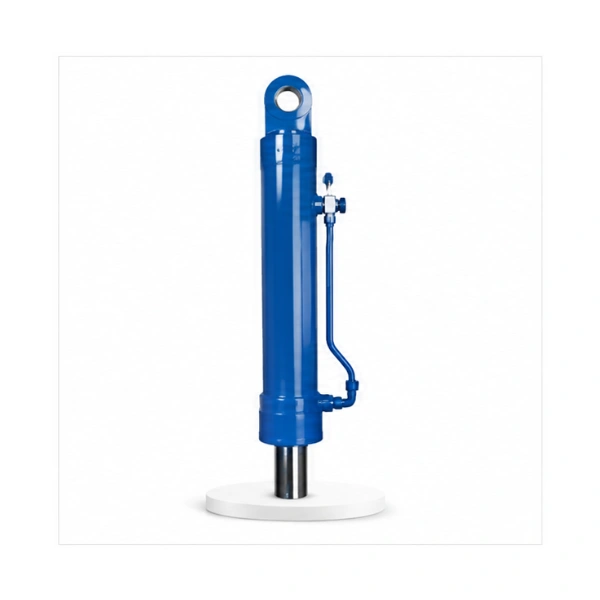
Vehicles driving onto a ro-ro vessel traverse the ramp at the transition point between the fixed quay and the moving vessel. If the ramp tip height does not match the quay surface, vehicles experience a step — a sudden height change that can bottom out low-clearance vehicles, damage cargo, or create an unsafe gradient for heavily loaded trucks.
The jacking cylinder provides up to 1,000 mm of height adjustment at the ramp tip, compensating for tidal changes during loading (the vessel rises as cargo is removed), vessel draft changes, and differences between ports. The adjustment must be continuous during loading — as each vehicle drives on, the vessel draft changes, and the ramp tip height must follow.
The jacking cylinder works in coordination with the main operating cylinder (#13) — the main cylinder positions the ramp approximately, and the jacking cylinder makes the final precision adjustment. Browse the offshore hydraulic cylinder range for the complete ro-ro system.
Key Advantages of the Jacking Cylinder
- Millimetre-level positioning — proportional valve control allows the ramp tip to be positioned within ±5 mm accuracy, providing a smooth vehicle transition at all loading conditions.
- ⚡ Continuous adjustment during loading — as each vehicle drives on or off, the vessel draft changes. The jacking cylinder compensates in real time, maintaining a level transition surface throughout the loading cycle.
- Compact size — the smallest cylinder in the ro-ro hydraulic system (bore 50–125 mm, stroke ≤1,000 mm). Fits into the tight space at the ramp tip where the ramp structure is narrowest.
- ️ Load-holding capability — the cylinder holds the ramp tip at the set height while vehicles traverse it. Load-holding valves prevent any tip sag under vehicle wheel loads (up to 15 tonnes per axle on heavy cargo vehicles).
Jacking Cylinder OEM & ODM
Korea Ever-Power supplies jacking cylinders individually or as part of the complete ro-ro ramp cylinder set (main operating + latch + jacking). Provide the ramp tip weight, height adjustment range, mounting space, and DNVGL or other class requirement. Contact the Korea Ever-Power hydraulic cylinder team.
Frequently Asked Questions
What Our Customers Say
"The jacking cylinders provide smooth, precise height adjustment on our stern ramp. Our drivers no longer complain about the step at the ramp-to-quay transition. Positioning accuracy is within 5 mm — measured with a laser level."
Capt. P. Andersen — Port Captain, Norwegian coastal ferry
"Compact and reliable. The 80 mm bore jacking cylinder fits perfectly in the tight space at the ramp tip. We use it on 3 identical ferries — consistent quality across all orders."
K. Mikkelsen — Fleet Engineer, Danish island ferry operator
"Good jacking cylinders at a fair price. We ordered them as part of the complete ramp set (main + latch + jacking). All 3 types arrived together, all documentation aligned. Minor point: the bore 50 mm variant was slightly underpowered for our heavy-truck ramp — recommend 80 mm minimum for cargo ferries."
A. Petridis — Technical Director, Greek cargo ferry
"The load-holding on the jacking cylinder handles our 50-tonne truck traffic without any tip sag. We previously had issues with the ramp tip bouncing under heavy axle loads — the new valve setup eliminated that completely."
M. Torres — Port Operations Manager, Spanish ro-ro terminal
"Replacement jacking cylinders for a 12-year-old ferry. Korea Ever-Power matched the original mounting geometry from our drawings. The new cylinders responded noticeably faster than the worn originals — smoother height tracking during tidal changes."
J. O'Brien — Chief Engineer, Irish Sea ferry
Related Hydraulic Cylinder Categories
Additional information
| Editor |
|---|
Related products
-
Reach Stacker Luffing Cylinder
-
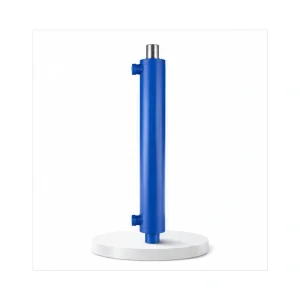
Empty Container Stacker Lifting Cylinder
-
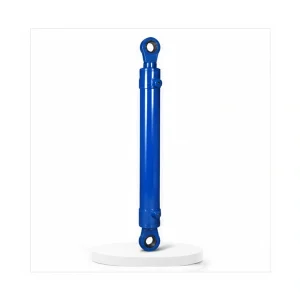
Empty Container Stacker Side Shift Cylinder
-
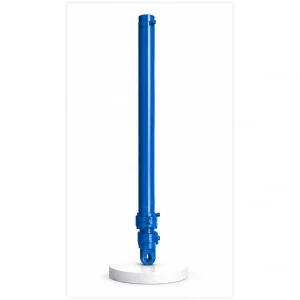
Cutter Suction Dredger Inverted Pile Cylinder
-
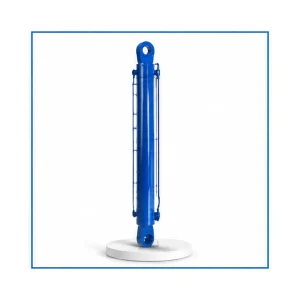
Pile Driving Barge Luffing Cylinder
-

Trailing Suction Dredger Overflow Cylinder
-
Trailing Suction Dredger Hanger Cylinder
-
Trailing Suction Dredger Heave Compensation Cylinder


























