Cab Damping Hydraulic Cylinder for Bulldozer
Engineered with an advanced internal buffering structure to execute precise low-frequency isolation. Permanently eradicate structural mounting fatigue and safeguard sensitive onboard electronics from severe earthmoving vibrations.
Product Overview & Core Industrial Value
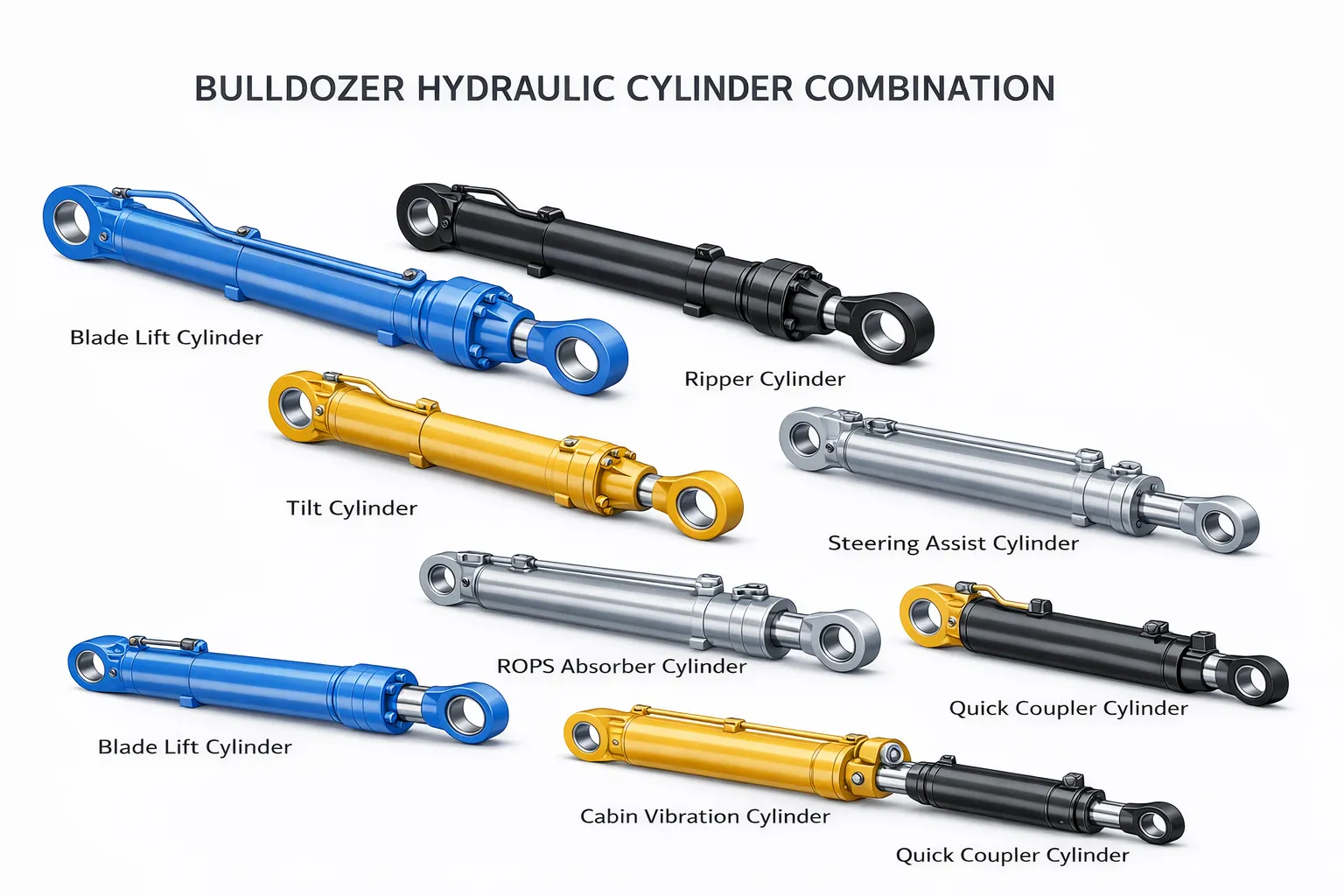
Within the grueling operational theater of heavy earthmoving, the physical toll exerted on both the machinery and the human operators is immense. When a track-type tractor navigates over fractured bedrock, deep trenches, or highly compacted clay, the rigid steel undercarriage generates violent kinetic shockwaves. Without an incredibly robust isolation interface, these continuous, low-frequency vibrations transfer directly from the main chassis into the operator’s compartment. This phenomenon, universally recognized in occupational health as Whole-Body Vibration (WBV), leads directly to severe operator fatigue, debilitating lower back injuries, and a drastic reduction in grading precision and overall site safety. Furthermore, modern heavy equipment relies heavily on highly sensitive electronic GPS grading modules and digital control displays. Unmitigated mechanical vibration acts as a silent destroyer, literally shaking these expensive electronic components to pieces over time. The primary, active defense mechanism against this destructive energy transfer is the cab shock absorber hydraulic cylinder.
Unlike passive, traditional isolation methods such as solid rubber blocks or simple mechanical spring coils—which rapidly degrade, tear, or permanently compress under the immense weight of a reinforced operator cabin—a specialized fluid power suspension system actively manages and dissipates mechanical energy. Acting as the dynamic suspension link between the chassis and the cab, this specialized cylinder executes continuous low-frequency buffering. When the heavy front blade strikes an immovable boulder, the resulting shockwave attempts to violently launch the cabin upward. Just before this kinetic energy reaches the operator’s seat, the internal fluid dynamics of our specialized dampener intercept the force, converting the sudden kinetic spike into harmless thermal energy.
As a globally recognized hydraulic cylinder manufacturer, our fluid power engineering team has extensively analyzed the specific failure modes of standard aftermarket suspension parts. The continuous, high-frequency micro-oscillations inherent in earthmoving rapidly induce metal fatigue at the structural mounting joints and systematically destroy standard internal fluid seals. We have positioned our highly engineered hydraulic parts to permanently resolve these vulnerabilities. By utilizing high-tensile carbon steel, robotic deep-penetration welded construction, and an advanced internal cushioning structure, our dampening technology drastically outlasts conventional commercial alternatives. Whether you are managing an expansive leasing fleet across South Korea or maintaining critical civil construction equipment throughout East Asia, upgrading to our engineered fluid isolation solutions guarantees that your operators remain safe, focused, and highly productive.
Comprehensive Technical Specifications
Engineering a suspension component capable of surviving the relentless vibrational punishment of a forty-ton bulldozer requires exact material science and stringent structural parameters. The following data matrix outlines the definitive engineering specifications of our flagship cab isolation unit, specifically calibrated for the uncompromising demands of the construction machinery industry.
| Engineering Parameter | Configuration Data & Material Profile |
|---|---|
| Target Industry Sector | Engineering Machinery / Heavy Construction |
| Primary Equipment Category | Bulldozer (Track-Type Tractor) |
| Subsystem / Mechanical Action | Cabin Vibration Isolation / Ride Damping |
| Actuator Designation | Cab Damping Hydraulic Cylinder |
| Operational Action Mode | Double acting hydraulic cylinder |
| Internal Structure Type | Precision Piston Cylinder |
| Manufacturing Method | Heavy-Duty Welded Assembly |
| Metallurgical System | High-Fatigue Resistance Carbon Steel |
| Rod Surface Treatment | Micro-Cracked Hard Chrome Plated |
| Environmental Exposure Grade | Continuous Vibration & Severe Seismic Shock |
| Working Condition Characteristics | Low-Frequency Buffering & Oscillating Impact |
| Typical Failure Mode Prevented | Structural Fatigue Fracture & Mount Shearing |
| Recommended Engineering Configuration | Integrated Fluid Cushioning Structure |
The Physics of Isolation: Component Working Principle
To truly comprehend the operational superiority of an active fluid suspension system over basic mechanical springs, one must examine the internal thermodynamics and hydro-mechanical forces at play. Unlike a standard, massive lift cylinder that relies on immense hydraulic flow from the main pump to push heavy loads in a single direction, the cab dampening actuator is meticulously tuned for energy dissipation and autonomous reaction. Operating flawlessly as a double-acting mechanism, it actively controls both the upward compression stroke (jounce) and the downward extension stroke (rebound) of the operator’s heavy steel cabin, utilizing internal fluid displacement rather than external pump pressure.
When the bulldozer drops abruptly off a rock ledge, the multi-ton cabin attempts to crash downward into the chassis stops. The hydraulic cylinder piston is forced violently through the viscous oil residing inside the carbon steel barrel. Instead of allowing this fluid to evacuate freely through large ports, the internal valving restricts the flow, forcing the oil through highly calibrated micro-orifices. This severe fluid restriction generates intense hydrodynamic resistance. The kinetic energy of the falling cabin is instantly converted into thermal energy, which is then safely dissipated outward through the metal cylinder body. This immediate, resistive action slows the cabin’s descent to a smooth, controlled glide, completely erasing the harsh, spine-compressing jolt.
Furthermore, immediately following the impact, the compressed cabin springs will attempt to violently push the cabin back up into the air. Our double-acting dampener intercepts this chaotic rebound phase. Fluid residing in the rod-end chamber is similarly restricted, preventing the cabin from bouncing uncontrollably and tossing the operator out of their seat. Crucially, to defend against extreme, bottoming-out impacts, we have engineered an advanced buffering structure at the extreme limits of the stroke. As the piston nears the heavy steel end cap, a tapered plunger traps a secondary volume of fluid, creating an impenetrable hydraulic brake. This safely arrests the cabin’s momentum milliseconds prior to any actual metal-to-metal contact, preserving the structural integrity of the mounts and vastly extending the longevity of all internal hydraulic cylinder components.
Seamless Fleet Integration & B2B Compatibility
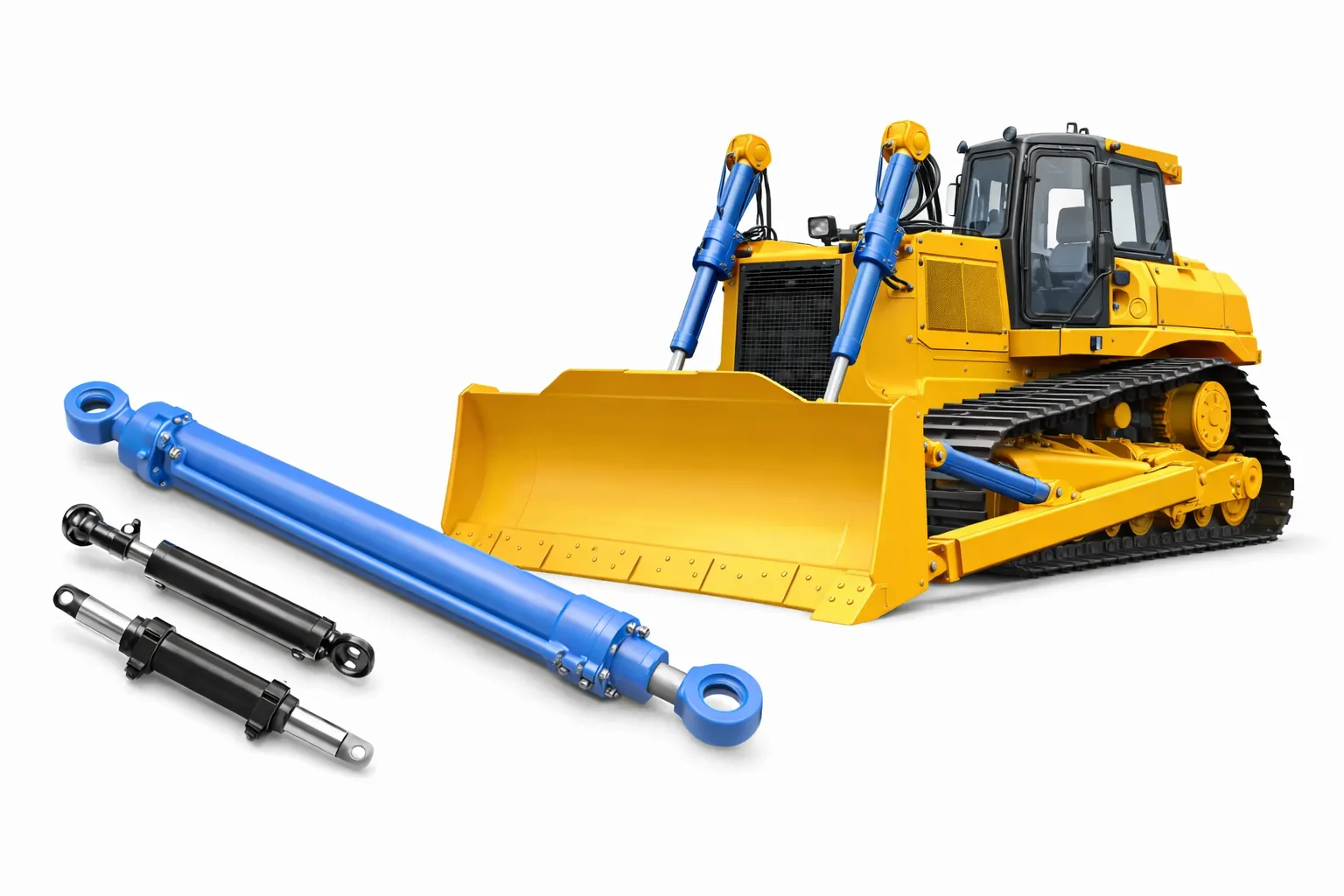
When a vibration dampener fails, the machine must often be grounded to prevent catastrophic secondary damage to the expensive GPS modules and wiring harnesses inside the cab. For heavy equipment mechanics tasked with the complicated job of fixing hydraulic cylinders buried deep beneath the cab chassis, extended bay time due to mismatched aftermarket parts is totally unacceptable. We meticulously reverse-engineer our suspension units to replicate the exact OEM dimensional footprints flawlessly—matching pin-to-pin closed lengths, mounting eyelet tolerances, stroke limits, and thread pitches.
Our fatigue-resistant welded assemblies serve as superior drop-in replacement upgrades for machinery manufactured by the industry’s leading brands, widely deployed across massive civil projects in South Korea, Japan, and Southeast Asia. These include exact structural fitments for heavy dozers built by Caterpillar (CAT), Komatsu, Doosan (Develon), HD Hyundai Construction Equipment, Volvo CE, and Shantui. Upgrading your heavily vibrated equipment from cheap factory hydraulic rams to our cushioned design provides an instant, dramatic improvement in operator ride quality without requiring any custom bracket fabrication, dangerous chassis cutting, or field welding.
*Notice: The heavy equipment brand names, machine models, and corporate trademarks mentioned above are utilized exclusively for the strict purpose of dimensional cross-referencing and part compatibility identification. We operate as a premier independent fluid power engineering firm and hold no formal affiliation, sponsorship, or endorsement from these original equipment manufacturers.
Five Pillars of Technical Engineering Superiority
Enduring millions of continuous micro-oscillations during a standard equipment lifecycle requires a fundamental departure from standard manufacturing techniques used in heavy-lift applications. When you upgrade your fleet with our fluid power solutions, you secure five highly engineered mechanical advantages specifically designed to combat cyclic fatigue and ensure a perfectly isolated ride:
Autonomous Manufacturing & Absolute Quality Traceability
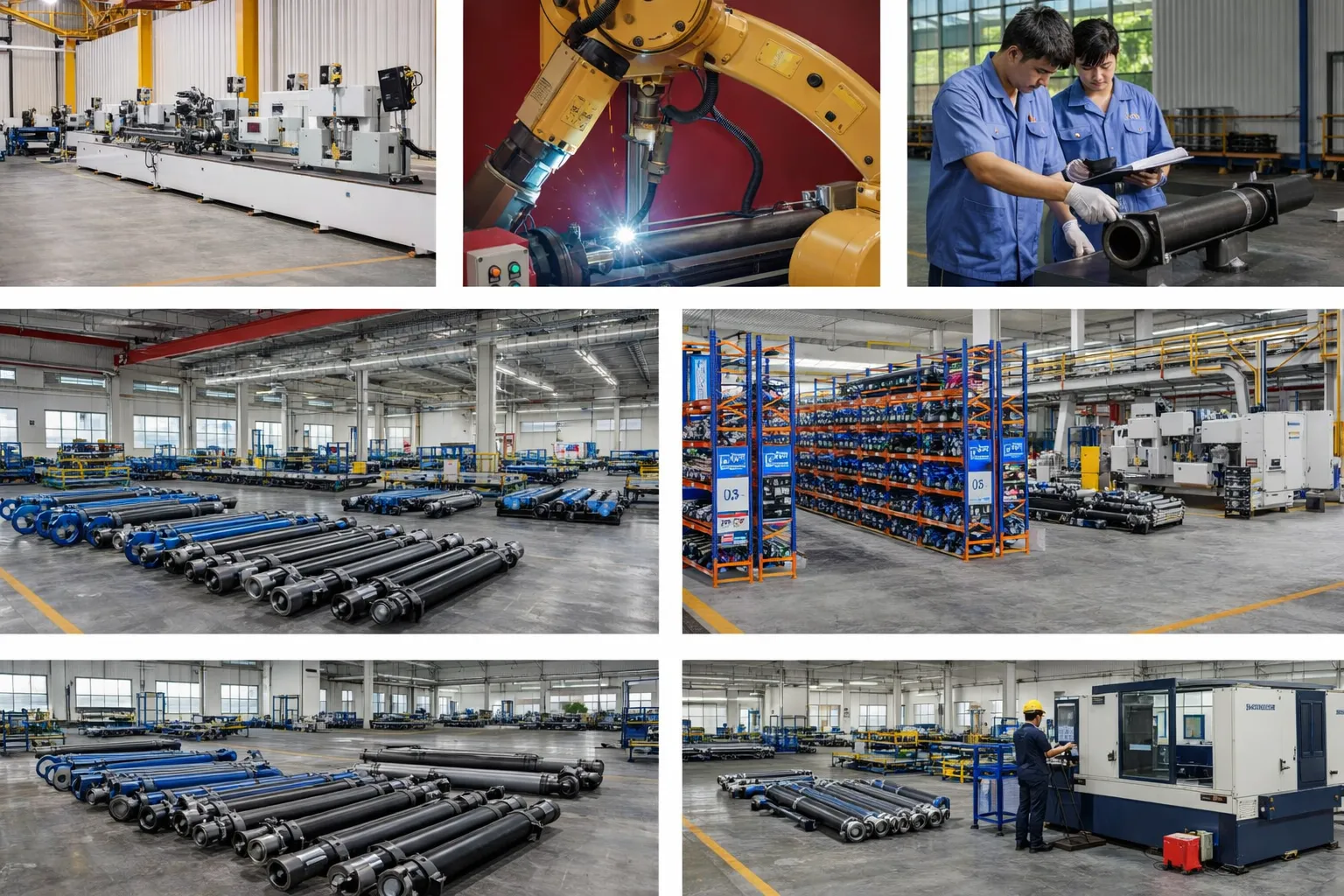
Delivering zero-defect suspension components to a highly demanding global market requires total vertical integration over the production lifecycle. We do not assemble outsourced kits; we execute full-process autonomous manufacturing within our advanced facilities. The process initiates with rigorous metallurgical verification of the raw carbon steel. The internal cylinder bores are then precision-machined using advanced skiving and roller burnishing technology. This intense cold-working compresses the metal grain, resulting in an internal mirror finish (Ra 0.2 to 0.4) that practically eliminates seal friction over millions of micro-cycles.
Recognizing that structural joints are the primary failure point under heavy vibration, all robotic welds undergo ultrasonic non-destructive testing (NDT) to verify absolute internal fusion without any gas porosity. Furthermore, the final assembly of the delicate dampening valving is executed strictly within climate-controlled cleanrooms to prevent microscopic abrasive particulate contamination from destroying the cylinder from the inside out.
Crucially, we flatly reject the inadequate industry standard of random batch sampling. We enforce a mandatory 100% factory dynamic testing protocol. Every single completed unit is mounted to a specialized shock-dyno rig. We actuate the cylinder at high speeds to verify the precise dampening curve, guarantee the cushioning structure engages flawlessly at the stroke limits, and ensure absolute zero internal fluid bypass under maximum simulated load. Finally, a unique traceability serial code is permanently laser-etched into the housing, ensuring you receive verified performance that fully justifies the optimal hydraulic cylinder price.
Expansive Cross-Industry Application Scenarios
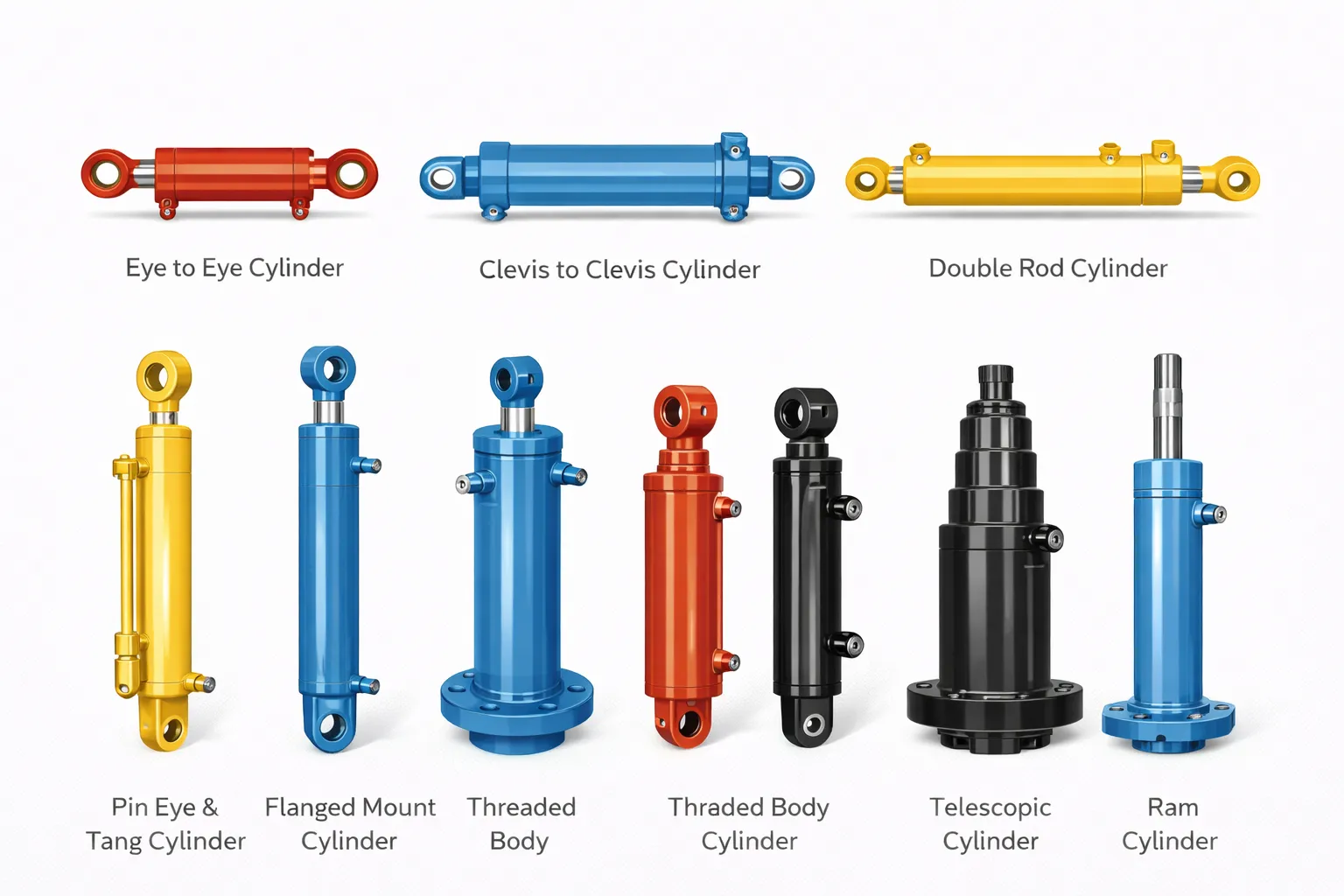
While originally architected to conquer the punishing, low-frequency jolts of track-type dozers, the unparalleled fatigue resistance and smooth ride isolation of our cushioning technology make it the actuator of choice across a vast array of severe-duty industrial sectors.
Engineering & Heavy Construction
Serving as the core operator isolation unit for massive crawler excavators, articulated dump trucks, and high-speed motor graders operating across the broader construction machinery industry.
Metallurgy & Heavy Forging
Providing high-temperature resilient suspension for operator control cabins mounted on massive overhead steel mill cranes, slag haulers, and industrial forging presses.
Plastics & Rubber Machinery
Isolating incredibly sensitive computerized control stations from the rhythmic, high-tonnage thumping and shockwaves of massive industrial injection molding machines.
Material Handling & Port Logistics
Dampening the intense load-shifting vibrations experienced by operators working long shifts inside the elevated cabins of port reach stackers and massive container forklifts.
Forestry & Agricultural Equipment
Isolating the driver compartments of high-horsepower combine harvesters and heavy timber forwarders relentlessly bouncing over plowed fields and deeply rutted logging roads.
Specialty & Custom Scenarios
Custom-engineering low-frequency vibration isolation for underground mining drill rigs, tactical military transport vehicles, and offshore drilling maintenance platforms.
Comparative Analysis: Standard Commercial vs. High-Performance Dampening
Astute procurement decisions in heavy fleet management must focus on total lifecycle costs. Replacing a fractured cab mount, dealing with destroyed electronics, or compensating an operator on medical leave far outweighs the initial component cost. The comparative matrix below highlights exactly why upgrading to our highly engineered suspension cylinder yields a massive return on investment.
| Critical Performance Metric | Basic Market Shock Absorber | Our Premium Dampening Cylinder |
|---|---|---|
| End-of-Stroke Shock Absorption | Rigid internal stops (Violent metal-to-metal clashing) | Integrated Cushioning Structure (Smooth hydro-deceleration) |
| Structural Fatigue Resistance | Manual spot welds & cheap alloys (High risk of cracking) | Robotic deep-penetration welding on Carbon Steel (Zero fatigue) |
| Dynamic Friction & Ride Quality | High-friction NBR seals (Causes jerky, stick-slip ride) | Ultra-low friction PTFE Step Seals (Instantaneous micro-response) |
| Corrosion & Weather Defense | Thin commercial chrome (Rusts quickly in wet conditions) | Micro-cracked hard chrome (Superior rust block and oil retention) |
| Impact on Cabin Electronics | Transmits shock, causing expensive GPS screen failures | Maximizes isolation, extending digital display lifespans massively |
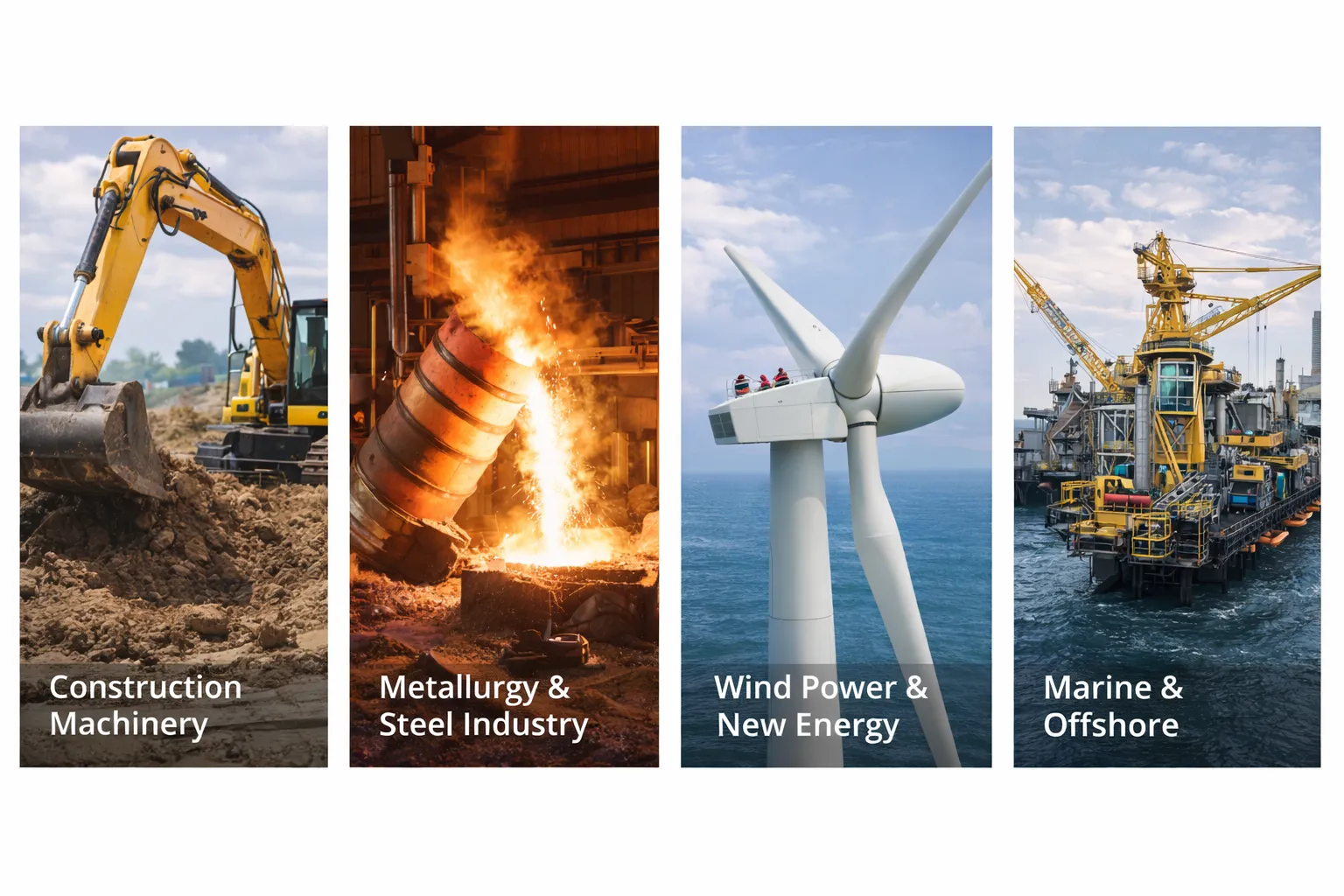
Verified B2B Global Success Stories
Our advanced dampening systems are actively trusted by major civil contractors, leasing fleets, and mining conglomerates across East Asia to protect their operators and electronics. Review these five verified deployment scenarios detailing how our fluid power engineering resolved chronic field issues.
Case 1: Eradicating Operator Fatigue in Seoul Site Preparation
Location & Time: Seoul, South Korea (October 2024)
Client & Equipment: Top-tier civil demolition contractor running a fleet of Doosan bulldozers on compacted concrete debris.
The Challenge: Driving over shattered concrete created relentless low-frequency vibration. Operators were calling out sick with severe lower back pain, and union complaints were mounting. Standard rubber mounts were completely failing to absorb the shock.
How They Found Us: The fleet safety director searched specifically for advanced cab damping hydraulic cylinder solutions and contacted our engineering team.
The Solution & Result: We rapidly deployed our carbon steel cylinders featuring the advanced buffering structure. The ride quality transformed instantly. Operator sick days due to back strain dropped to zero, significantly boosting project timeline efficiency.
“The difference in ride quality is staggering. The operators say it feels like floating compared to the old rigid mounts. An absolutely vital upgrade for our workforce.” — Park Min-su, Fleet Safety Director
Case 2: Protecting Digital GPS Systems in Busan Port Expansion
Location & Time: Busan, South Korea (February 2025)
Client & Equipment: Coastal reclamation firm utilizing HD Hyundai machines equipped with $40,000 automated 3D grading GPS systems.
The Challenge: Violent jolts from shifting heavy marine rock were literally shaking the delicate GPS monitors off their mounts and fracturing internal circuit boards inside the cab.
How They Found Us: Referred to us by an industrial electronics vendor who recognized the root cause was mechanical vibration requiring hydraulic cylinder repair upgrades.
The Solution & Result: We installed our ultra-low friction suspension upgrades. The controlled hydraulic dampening completely eliminated the hard metallic shocks. They have not lost a single GPS unit to vibration damage in over a year.
“We were spending thousands replacing shattered electronics. Your cylinders paid for themselves in the first month by protecting our digital assets. Flawless engineering.” — Director Choi, Operations Lead
Case 3: Defeating Metal Fatigue in Hokkaido Mining Operations
Location & Time: Hokkaido, Japan (Neighboring Market, May 2025)
Client & Equipment: Large-scale open-pit aggregate mine operating a mixed fleet of Komatsu heavy equipment in freezing environments.
The Challenge: Standard aftermarket suspension cylinders were snapping at the base welds every few months due to the extreme cold making the metal brittle and continuous rock impacts causing the cabins to drop dangerously.
How They Found Us: Sourced our high-fatigue metallurgical specifications and cold-weather PTFE seal data through an international B2B directory.
The Solution & Result: We delivered our high-tensile carbon steel units with robotic deep-penetration welds. Despite the brutal winter operations, zero structural fractures have occurred over 6,000 operating hours.
“The structural integrity of these carbon steel cylinders is unmatched. The robotic welds easily survive the freezing temperatures and heavy impacts.” — Kenji Tanaka, Maintenance Supervisor
Case 4: Rapid Supply Chain Rescue for Vietnamese Highway Construction
Location & Time: Ho Chi Minh City, Vietnam (August 2025)
Client & Equipment: National paving contractor grading sub-base with Shantui dozers.
The Challenge: A blown cab suspension cylinder left an operator unable to drive the machine safely due to extreme bouncing. The local OEM dealer quoted an 8-week delay for the specific part, halting a critical project phase.
How They Found Us: Reached out directly via our website’s engineering contact form for an expedited solution.
The Solution & Result: Using their provided pin dimensions, we manufactured and air-freighted a perfectly matched replacement within 10 days. The contractor avoided severe delay penalties while securing a vastly superior part.
“Incredible turnaround time without sacrificing heavy-duty quality. The dimensional fit was exact. Highly recommended as a primary parts partner.” — Nguyen V., Procurement Manager
Case 5: Maintaining Thermal Stability in Tropical Logging
Location & Time: Sumatra, Indonesia (December 2025)
Client & Equipment: Timber extraction company running modified Caterpillar (CAT) tractors in deep jungle environments.
The Challenge: High tropical ambient heat combined with the relentless friction of constant suspension dampening was boiling the hydraulic fluid in their standard cylinders. The fluid thinned out, causing the ride to become violently stiff halfway through the shift.
How They Found Us: Discovered our thermal-stable engineering solutions via organic search.
The Solution & Result: Our advanced internal valving and superior carbon steel barrel provided rapid thermal dissipation. The cylinders now maintain optimal fluid viscosity all day, ensuring a consistently smooth ride despite the jungle heat.
“The suspension performance stays perfect from morning until night. It doesn’t fade in the heat like the original parts. A massive upgrade.” — Budi Santoso, Fleet Manager
Frequently Asked Questions
We believe in absolute technical transparency when consulting with maintenance engineers and procurement directors. Below are our most frequently asked engineering and logistical questions regarding our dampening technology.
1. Exactly how does the buffering structure eliminate low-frequency vibration?
2. Why do you insist on carbon steel instead of lighter aluminum materials?
3. Can these act as direct drop-in replacements for my entire mixed fleet?
4. Do you supply separate hydraulic cylinder components for future rebuilds?
5. How do you guarantee the structural quality and zero-leak performance?
6. What is the standard manufacturing and shipping lead time to South Korea?
7. How do I initiate a technical pricing proposal?
Protect Your Operators & Electronics Today
Stop sacrificing operator health and expensive GPS electronics to violent machine vibration. Partner with a true fluid power engineering expert. Whether you need a customized dimensional drawing, a single replacement shock, or bulk contract pricing to upgrade an entire earthmoving fleet, our technical specialists are ready to architect your dampening solution.
Contact Our Engineering Division
We guarantee a deeply technical, comprehensive response to all global B2B inquiries within 24 hours.
Editor: Cxm