Hydraulic Cylinder
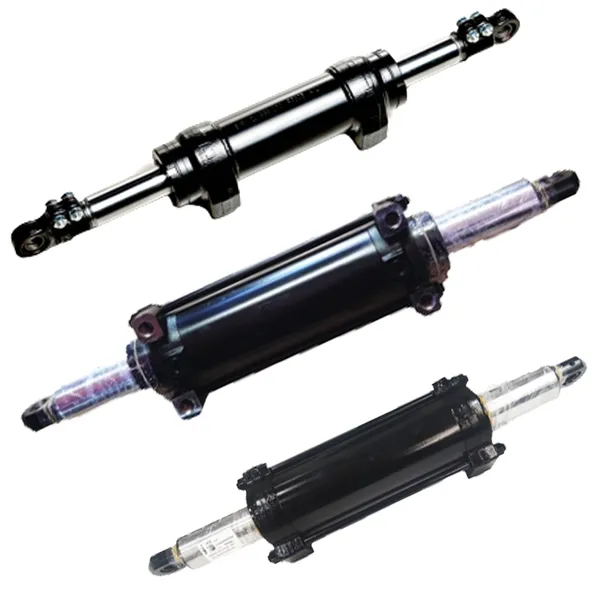
As a supplier of hydraulic cylinders, a leading exporter of mechanical products, and a leader in hydraulic systems, our company is always committed to technological innovation. With outstanding technical capabilities, leading R&D strength, excellent product quality, and a customer-centric service philosophy, the company has taken a leading position in the international market.
What Is a Hydraulic Cylinder?
Hydraulic cylinders, also known as linear hydraulic motors, are precision-engineered mechanical actuators designed to generate unidirectional force through a single-stroke linear motion. As essential hydraulic executors, they convert pressurized hydraulic energy—typically from oil—into reliable linear mechanical movement.
The core structure of a hydraulic cylinder comprises a robust cylinder barrel that houses a piston connected to a rod. This configuration, supported by advanced sealing systems, ensures efficient force application in one direction while maintaining durability and high load capacity.
Selecting high-quality hydraulic cylinders not only optimizes system reliability but also promotes long-term performance, contributing to sustained innovation in industrial applications.
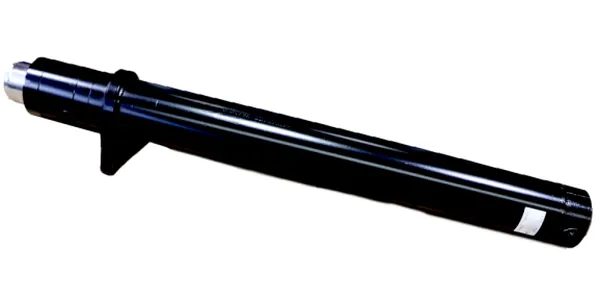
Main Components of a Hydraulic Cylinder
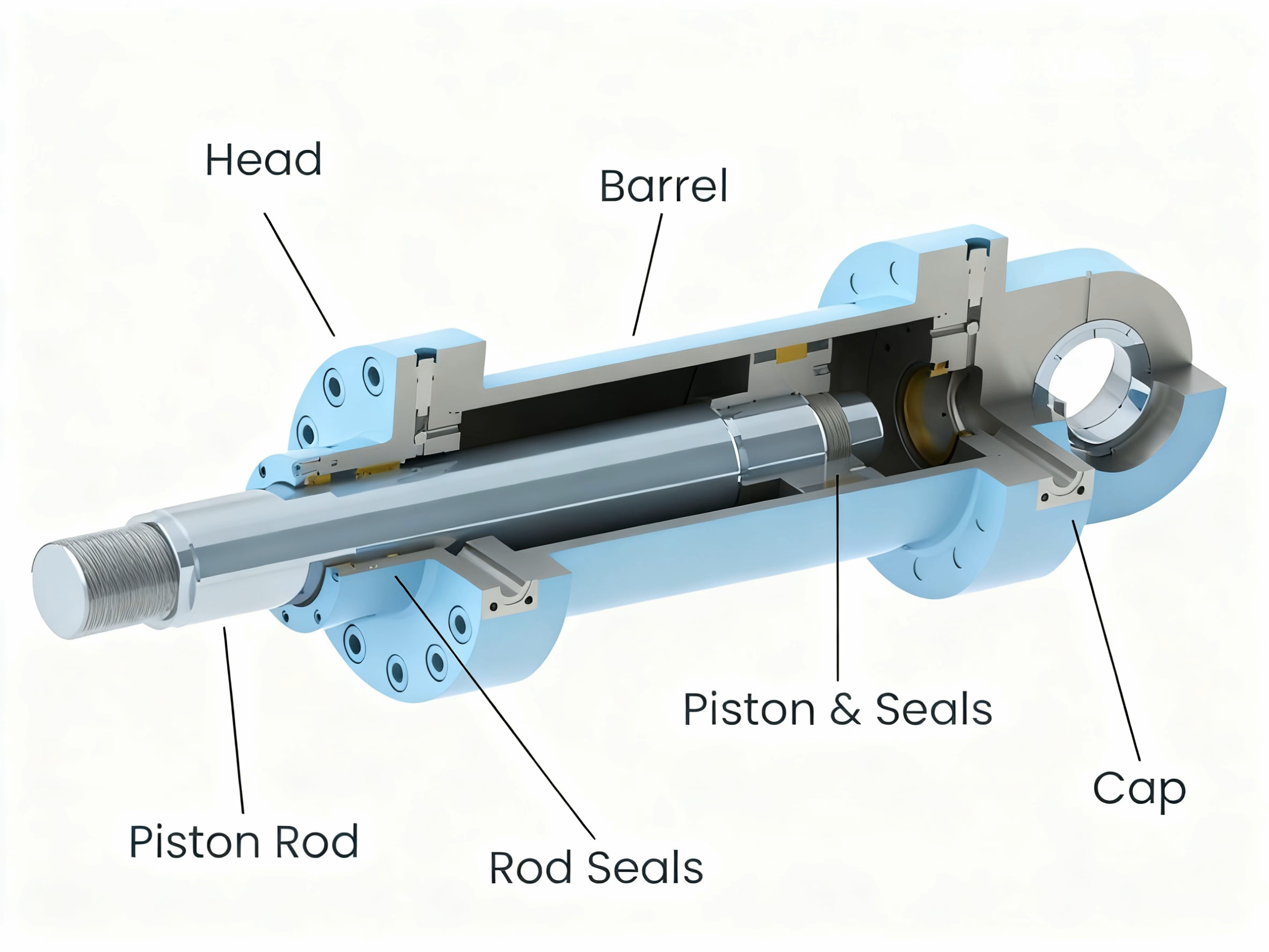
Cylinder Barrel
The cylinder barrel, the core structural element, houses pressurized fluid and withstands internal pressures. Fabricated from honed tubing via CDS or DOM pipes and honing or SRB processes, it achieves 4- to 16-microinch finish for smooth piston motion, with high precision and durability.
Cylinder Base or Cap
The base or cap seals one barrel end, forming the pressure chamber and serving as a mount. It connects via welding, threading, bolting, or tie rods, sized for bending stress, using static O-rings in non-welded designs. It supports flange, lug, or U-clamp mounting for stability.
Cylinder Head
The head seals the opposite barrel end, integrating rod sealing or a gland for pressure integrity. Attached by threading, bolting, or tie rods with static O-rings, it supports rod extension as a key dynamic interface.
Piston Rod
Constructed from hard chrome-plated cold-rolled steel, the rod transmits motion to loads. One end joins the piston, the other extends through the head for threading or accessories; double-rod designs protrude both sides. Ground and polished for sealing and longevity.
Seals
Engineered for pressure, speed, temperature, and fluid, piston seals are dynamic (single- or double-acting) using nitrile/polyurethane (low temp) or Viton (high temp); metal like cast iron for specifics. Rod seals are single-acting; wipers remove debris; bearings (PTFE, polyester, bronze) reduce contact and handle lateral loads.
Other Components of Hydraulic Cylinder
Hydraulic cylinders, as efficient linear actuators, feature an internal structure composed of various precision components that collaborate to ensure the device’s reliability and functional integrity. In addition to core elements, these include:
- Cylinder base connection
- Cushions
- Internal Threaded Ductile Heads
- Head Glands
- Polypak Pistons
- Cylinder Head Caps
- Butt Plates
- Rod Eyes/Rod Clevis
- Pivot Pins
- Spherical Ball Bushings
- Spherical Rod Eye
- Alignment Coupler
- Ports and Fittings
These parts can be customized based on specific application requirements to optimize the hydraulic cylinder’s installation, sealing, and motion performance, thereby enhancing the overall system’s efficiency and durability.
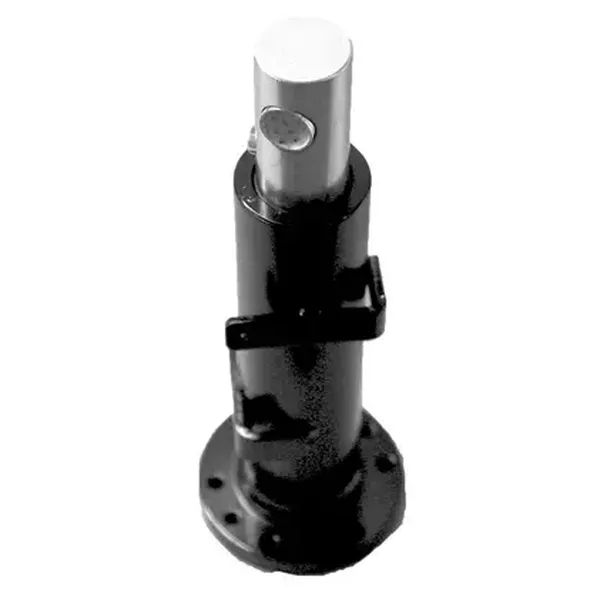
Operation of Hydraulic Cylinders
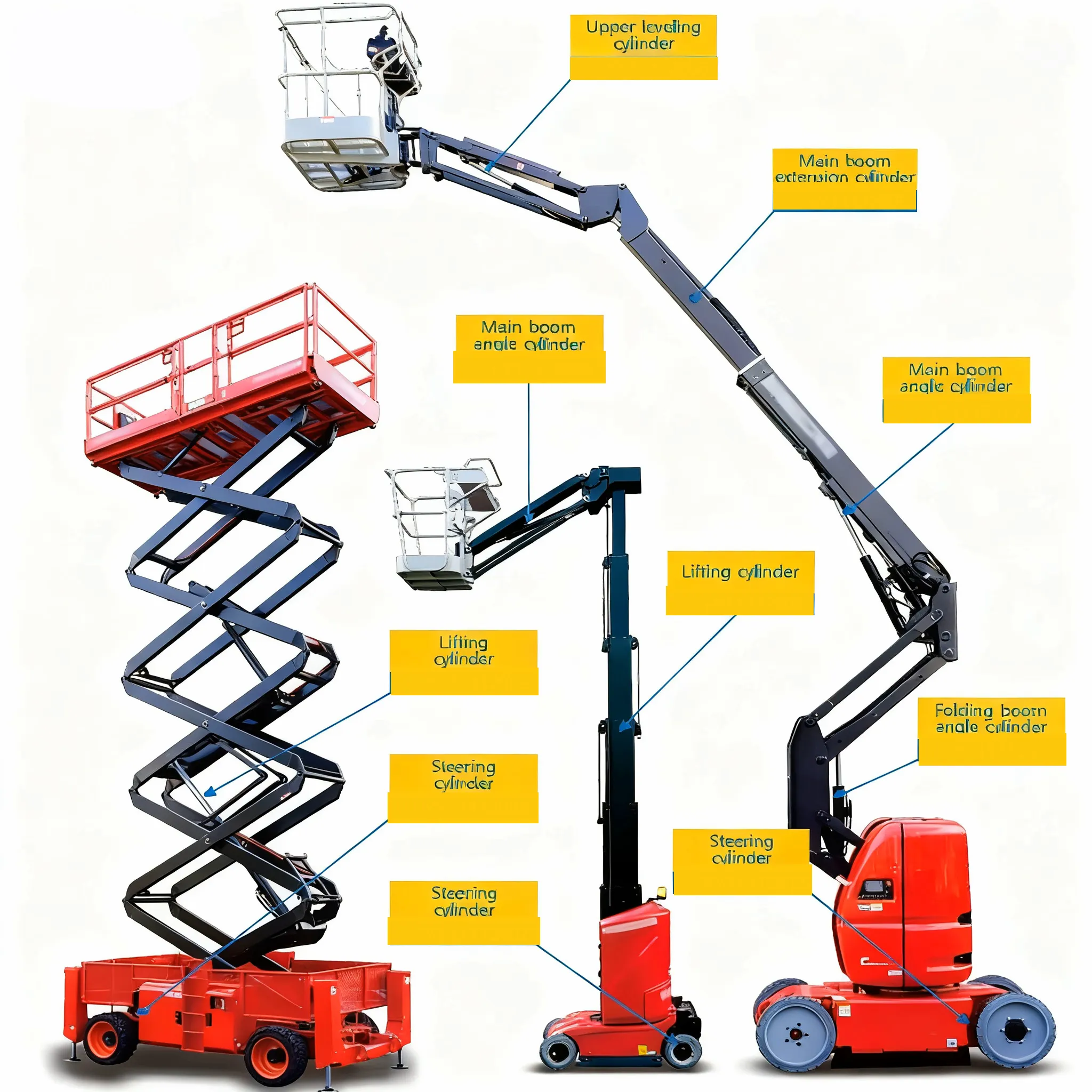
Hydraulic cylinders serve as the core actuators in hydraulic systems, with their operation relying on the incompressibility of pressurized hydraulic fluid, typically high-quality mineral oil as the medium, to deliver efficient linear motion. The fundamental structure comprises a sealed cylinder barrel housing a piston connected to a piston rod for reciprocating movement. One end of the barrel is closed by the cylinder bottom (also known as the blind end cap), and the other by the cylinder head (also known as the gland or cap end), through which the piston rod extends. The piston features sliding rings and seals to prevent leakage, dividing the barrel into two chambers: the blind end chamber (cap end) and the rod end chamber (head end).
During operation, the hydraulic pump—serving as the system’s “generator” side—delivers fixed or adjustable fluid flow to the cylinder, driving piston movement. Common pump types include manual, pneumatic, and electric hydraulic pumps. For instance, in the extension stroke, fluid enters the cap end chamber, propelling the piston forward while displacing fluid from the rod end chamber back to the reservoir. Assuming negligible pressure in the rod end, the output force F is calculated as F = P × A, where P is the internal pressure and A is the effective piston area. This equation underscores the cylinder’s high power density and precise force control capabilities.
Mounting options such as flanges, clevises, U-brackets, and trunnions ensure secure installation, while end attachments on the piston rod connect to loads for push-pull actions. Integrated proportional valves and sensors in modern designs enable automated control, enhancing response speed and energy efficiency for applications in engineering machinery and industrial automation.
Application of Hydraulic Cylinder
Hydraulic cylinders function as efficient and dependable linear actuators, playing an essential role in contemporary industrial and engineering sectors. They leverage hydraulic principles to achieve high power density and precise force output, making them suitable for diverse and demanding conditions. Below are several primary application areas, each accompanied by an in-depth description that outlines core functions, distinctive advantages, and significant contributions in practical operations:

Construction and Engineering Machinery
Hydraulic cylinders are extensively employed in heavy-duty equipment such as excavators, cranes, bulldozers, and loaders, delivering robust push-pull forces and highly accurate motion control. These attributes facilitate efficient digging, lifting, earthmoving, and material handling tasks. In major infrastructure projects like bridge construction and urban development, the durability and responsiveness of hydraulic cylinders markedly enhance overall project productivity. Furthermore, by incorporating advanced sensors and control systems, they bolster operational safety and precision, mitigating human error risks and extending equipment lifespan through reduced wear.
Municipal and Construction Sector
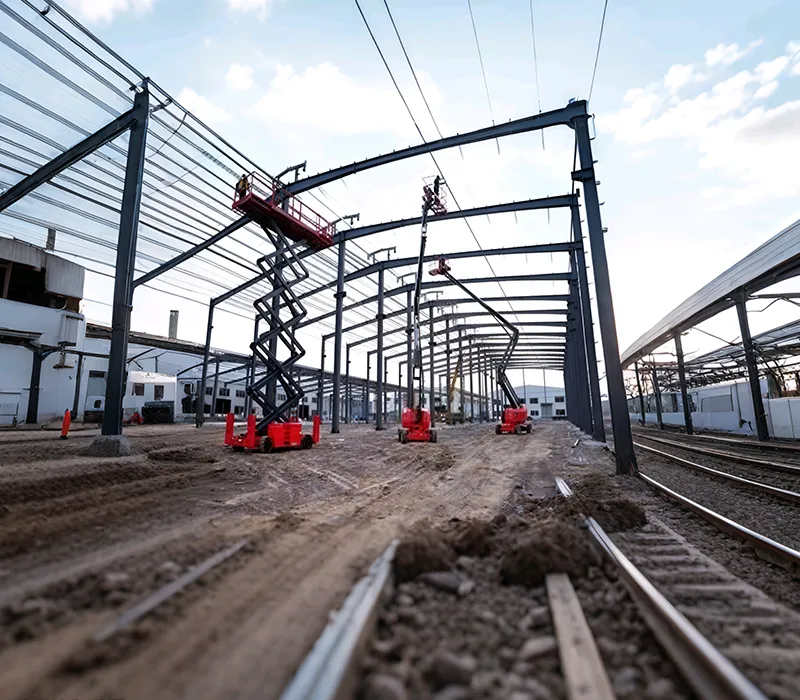
Hydraulic cylinders are utilized in municipal infrastructure and construction machinery, such as bridge sluices, excavators, and cranes, delivering robust push-pull forces and synchronized control for precise adjustments, digging, and lifting operations. In urban renewal and major projects, their corrosion-resistant materials and high-strength designs adapt to harsh environments, enabling remote monitoring and automated responses. Integrated sensors enhance reliability and energy efficiency, reducing fuel consumption while supporting sustainable practices, thereby ensuring infrastructure stability, improving construction safety, and lowering costs.

Warehousing Sector
Hydraulic cylinders are extensively utilized in warehousing logistics equipment, such as forklifts, automated shelving systems, hydraulic lift platforms, and conveyor tailgates, delivering robust lifting, tilting, and pushing capabilities to facilitate efficient loading, unloading, storage, and sorting of goods. In contemporary distribution centers and e-commerce warehouses, these cylinders employ multi-stage telescopic designs for extensive vertical movement, accommodating varied load requirements while incorporating sensors for real-time position feedback to improve operational accuracy and automation. Their corrosion-resistant coatings and low-maintenance features significantly boost equipment uptime, reducing downtime and supporting sustainable logistics practices, such as energy recovery systems, which further lower operational costs and align with environmental regulations.

Medical Sector
In medical and pharmaceutical equipment, hydraulic cylinders power operating tables, diagnostic imaging systems (such as MRI and CT scanners), rehabilitation devices, and aseptic filling machines, offering smooth positioning, elevation, and force regulation to ensure patient comfort and procedural precision. These cylinders utilize food-grade materials and sealing technologies to meet stringent aseptic and biocompatibility standards, enabling micron-level motion control in high-pressure environments and supporting remote operation and automated workflows. Their compact configurations allow seamless integration into space-constrained medical devices, while linear feedback mechanisms provide fail-safe responses, extending equipment longevity and minimizing maintenance needs.
Why Choose Us
Company Philosophy:
We uphold the principle of “quality first, reputation supreme,” ensuring that every hydraulic cylinder product is crafted to the highest standards.
Technology and Quality
Our company possesses international advanced technical expertise, precision equipment, a professional management team, and comprehensive production processes, all rigorously adhering to ISO9001/TS16949 quality management systems to guarantee superior reliability and consistency.
Market Reputation
We have earned client trust through competitive pricing and prompt delivery, establishing long-term partnerships with numerous domestic enterprises and suppliers, while exporting 80% of our products to countries and regions including the United States, Germany, Japan, Italy, Malaysia, Australia, and the Middle East, where they receive widespread acclaim.
Customer Support
We offer 24×7 round-the-clock service support, providing premium solutions to global users anytime and anywhere.
Continuous Innovation
By incorporating advanced foreign technologies and combining them with local innovations, we continually optimize hydraulic cylinder design and manufacturing processes to meet diverse application needs, enhancing product performance and durability.
Further Information
For more information about our hydraulic cylinder products and to request a quote, please contact us.
-
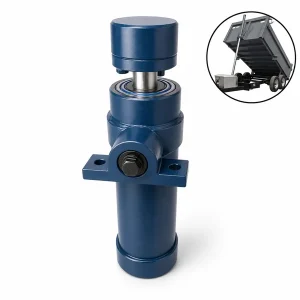
2 Stage Small Dump Truck Hydraulic Cylinder — Multistage Telescopic
-
2 Stage Small Hydraulic Cylinder — Multistage Telescopic, Steel, Custom Bore 2–6 inch
-
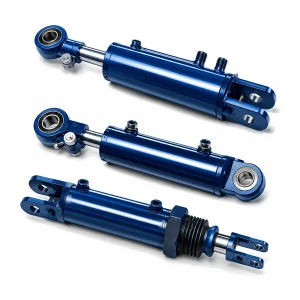
20176B-02000 Forklift Truck Support Hydraulic Cylinder
-
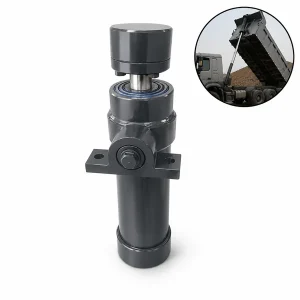
5 Stage Telescopic Dump Truck Hydraulic Cylinder — Maximum Compactness, Steel, Custom Bore 2–6 inch
-
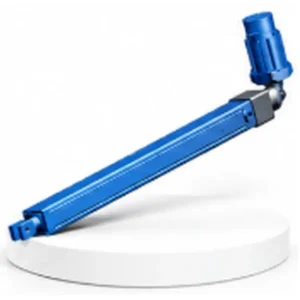
Aerial Work Platform Electric Cylinder
-
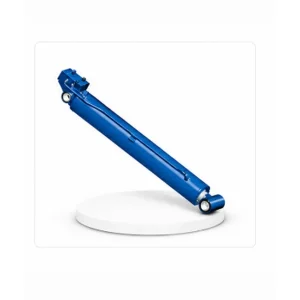
Aerial Work Platform Leveling Cylinder
-
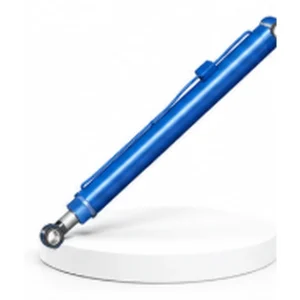
Aerial Work Platform Luffing Cylinder
-
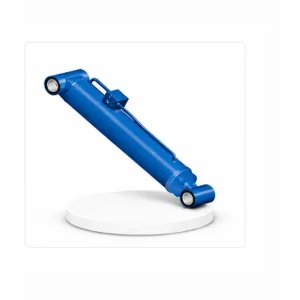
Aerial Work Platform Outrigger Cylinder
-
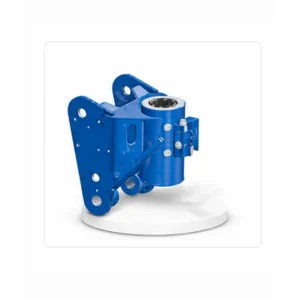
Aerial Work Platform Rotary Actuator
-
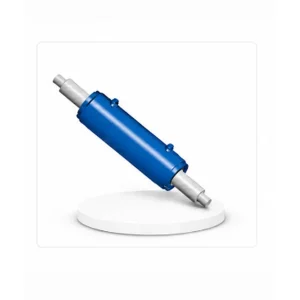
Aerial Work Platform Steering Cylinder
-
Aerial Work Platform Telescopic Cylinder
-
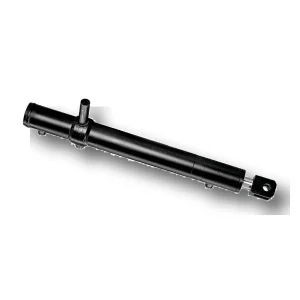
Agricultural Trailer Plate Lift Cylinder | EP-HCYY11112036 Model