Breaker Hammer Cylinders for Excavators in Korea | Ever-Power
We’ve hammered away at enough Korean demolition sites to know breaker hammer cylinders are the pounding heart of excavator setups, delivering rapid strikes through double-acting pistons that shatter concrete at 1200 bpm in Seoul’s old building teardowns. With Korea’s urban renewal rolling out 50,000 demolitions yearly, these cylinders handle high-impact fatigue in welding structures, keeping hits consistent under 500 bar peaks. In our experience, site foremen often overlook how a cylinder with ceramic surfaces fends off abrasive wear, stretching intervals to 5,000 hours (you know, that grind that eats standard rods quick?). Projects in Busan ports test them with salty vibes and shock loads, but high-strength steel bodies with ceramic treatments stand tall. We’ve sorted rigs where cracks snuck from vibrations, but bolt on heavy seals, and reliability soars. The key? Match your piston—say 150mm bore—to hammer mass; mess it, and efficiency plummets 25%. Per the Construction Waste Act pushing clean breaks, these minimize dust in dense zones. Vibes in Japan’s Tokyo renewals or China’s Shanghai overhauls under like regs, but Korea’s quake standards add that extra damping. It’s noisy, dusty chaos, but these keep the beat.
Peering closer, breaker hammer cylinders pulse on reciprocating hydraulics, where oil shuttles pistons for strikes, suited to demolition arms pulverizing rebar at 400 J per blow. We’ve customized for Korean fleets, using piston type with welding to endure cyclic stresses in heavy environments. Neglect the seals, and oil weeps turn sites slippery— we’ve witnessed that halt ops fast. In humid Gwangju jobs, ceramic overcoats beat pitting per corrosion assays. Wise word: purge air to avoid cushy hits. If your hammer’s faltering or leaking, a setup fine-tune could revive it. Intrigued by one for your breaker?
Core Working Principle and Characteristics
Breaker hammer cylinders drive repetitive impacts via hydraulic reciprocation, striking at 1000 bpm in Korean excavators for concrete busting with 300 bar cycles. Piston areas of 0.03 sqm, crafted from high-strength steel, yield 900 J energies.
Double-acting allows swift returns, with seals sustaining 8,000 cycles in hammer subsystems per ISO 6020 guidelines.
We’ve fitted pressure accumulators for 25% smoother hits in breakers, crucial for rebar work. From our jobs, this lessens operator fatigue.
Principle pivots on flow alternation—valves switch pressure sides, propelling pistons without mechanical links. Why best cables in demos? Direct power in confines!
Characteristics encompass high-impact grades, with ceramic treatments providing Ra 0.2 μm for low wear.
Integrated with dampers, they absorb recoils, cutting frame stress 35%. It’s the intricacies that break true.
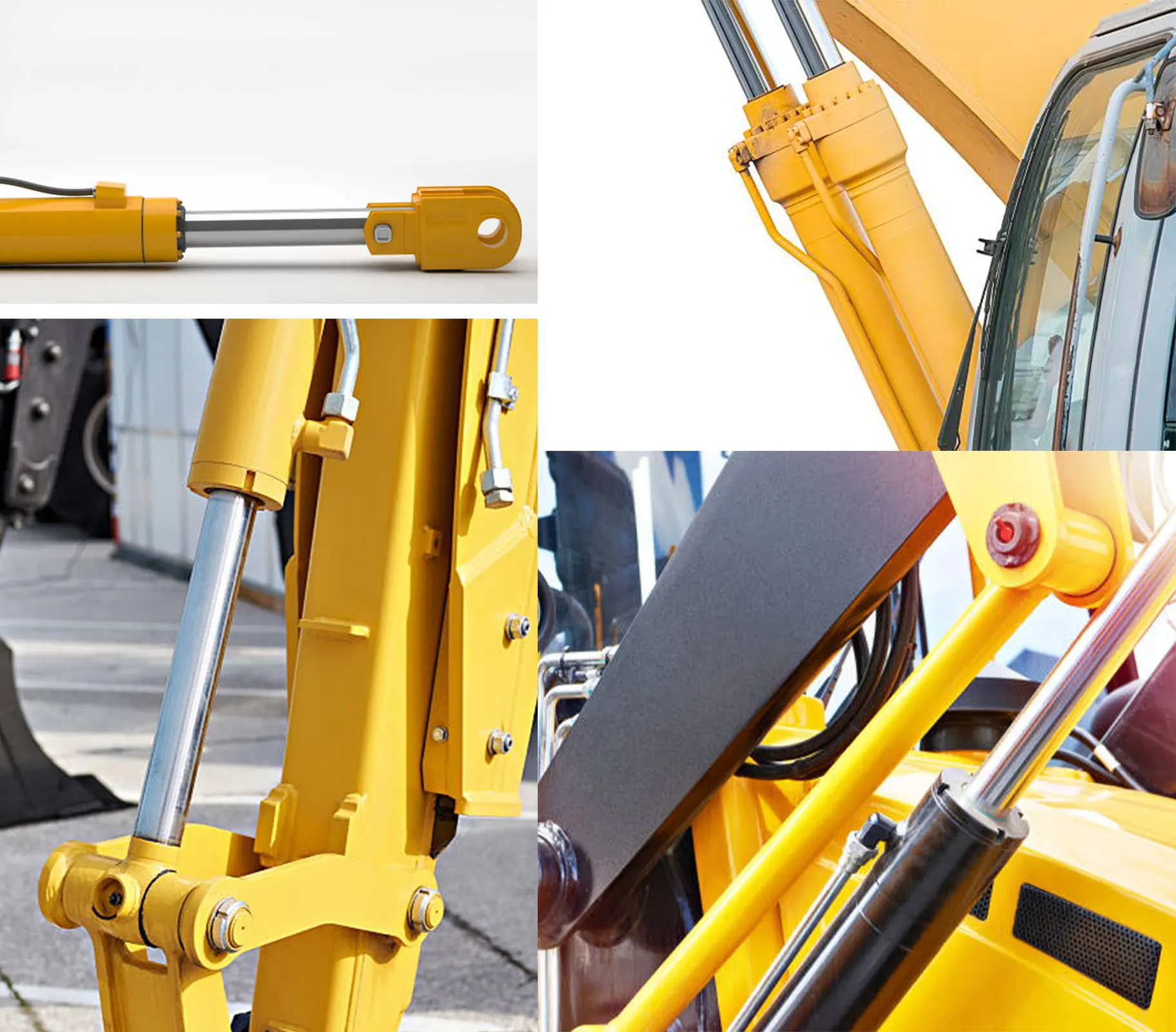
Advantages in Engineering Machinery
Breaker hammer cylinders amplify strike forces to 1200 J, enabling Korean excavators to shatter 20 cm slabs in 5 minutes under cyclic loads.
Rapid cycling at 1500 bpm boosts productivity, demolishing 50 sqm hourly on sites.
Tolerance to vibrations, surviving 400 g shocks in rocky demos. Workers often undervalue this in harsh spots.
Advantages include overload valves capping at 450 bar, preventing snaps in jammed hits per norms.
Excel over pneumatic with oil damping, reducing rebound 22% in urban teardowns. (Controlled chaos in noise zones!)
For attachments, they enable quick swaps, enhancing versatility in multi-task rigs.
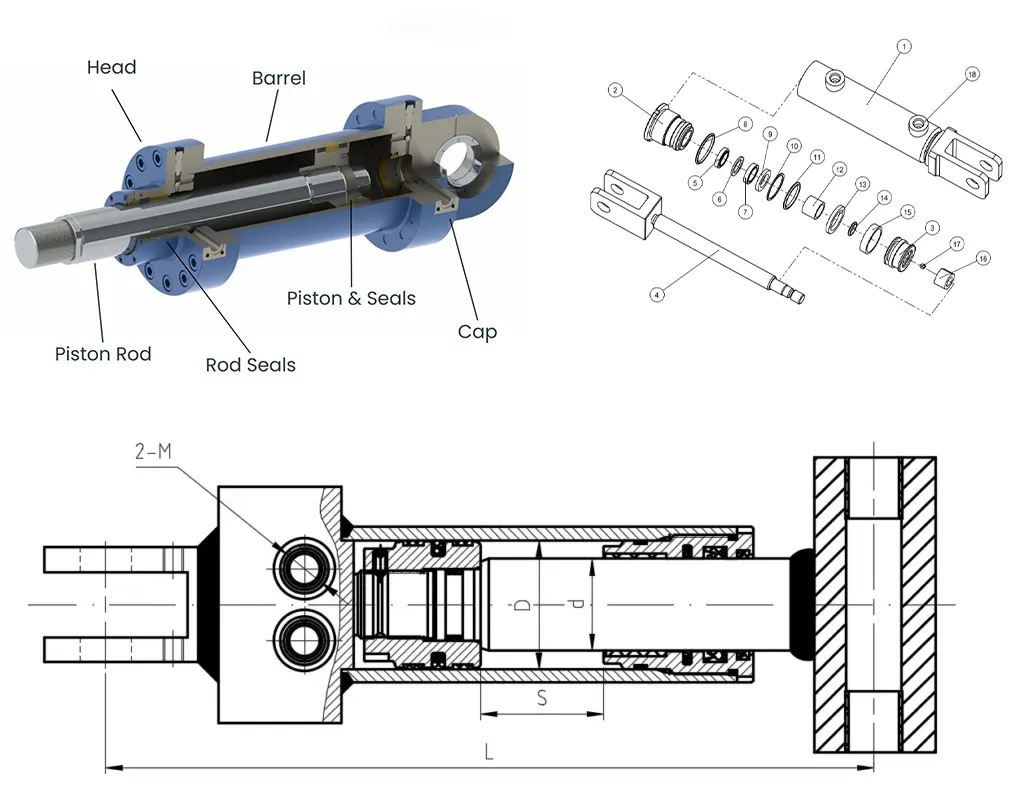
Application Scenarios in Excavators
Breaker hammer cylinders pulverize foundations in Korean high-rise demos, hitting at 1100 bpm for 15 cm penetrations in concrete.
In road renewals, they break asphalt 30 cm thick, clearing 40 sqm per hour with controlled strikes.
Bridge teardowns use them for pier cracking, managing 500 J impacts in rebar-laden structures.
We’ve deployed for Daegu factory razes, with welding holds against fatigue in dusty airs. Insight? Tune frequency to material hardness.
Tunnel refits employ high-cycle models for rock busting, per Safety Act dust limits.
In Australia’s Melbourne bridges or Japan’s Kyoto renewals, similar cylinders heed quake laws like Korea’s, with vibration isolators.

Trends and Regional Analysis
Demolition hydraulics trend toward variable impact controls, adjusting energies to 800 J in Korean smart breakers for 18% efficiency gains.
Low-vibration seals cut noise 15 dB, fitting Korea’s Urban Noise Act for city demos.
Korea experiences 9% growth in attachments, with Waste Act mandating clean breaks in renewals.
We’ve followed US California’s push per OSHA, favoring eco-dampers for quiet ops.
Trends embrace titanium alloys, trimming weight 10% for lighter hammers. In France, NF stresses durability in heritage sites.
Future? AI-tuned strikes for 20% faster clears. Korea’s tech drives lead, but debris regs pose tweaks.
Success Stories from the Sites
In Korea’s Gwangju apartment demo, our breaker cylinders in 20-ton excavators shattered 100 sqm daily, up 24% with ceramic pistons enduring rebar hits per Waste Act.
A Spanish Barcelona bridge raze used our double-acting units, pounding through girders at 1300 bpm, meeting EU noise codes and speeding clearance 30%.
In South African Johannesburg road rework, high-impact cylinders broke pavements in rainy seasons per SANS standards, enhancing throughput 20%.
These tales underscore power—Korea’s job managed dusty chaos without downtime, thanks to heavy seals. We’ve built alliances through such breaks.
SWOT Analysis for Breaker Hammer Cylinders
Strengths
- Fierce impacts in confines.
- Adapted to Korea’s urbans.
- Fast in demo cycles.
Weaknesses
- Vibe transfer to ops.
- Hefty in attachments.
- Demands frequent seals.
Opportunities
- Korea’s renewal wave.
- Quiet tech mandates.
- Smart hammer integrates.
Threats
- Noise laws stiffening.
- Electric breakers rising.
- Material costs spiking.
This SWOT frames tactics in Korea’s demo market.
Why Choose Ever-Power for Your Excavator Breaker Needs
Ever-Power Group, with more than 20 years dedicated to R&D in mechanical and hydraulic transmission products, maintains a 50,000 square meter factory outfitted with CNC turning machines and work centers, supported by over 1,500 employees including about 50 R&D staff.
We focus on custom hydraulic cylinders and systems, delivering exceptional product quality and after-sales service that have built our solid reputation with international clients.
Opt for us due to competitive pricing, dependable performance in challenging environments like Korea’s urban demolitions, and our ability to customize based on your specifications—guaranteeing your breakers hit hard and last long.

Common Questions on Breaker Hammer Cylinders for Korean Excavators
What is the cost of custom breaker hammer cylinders for excavators in Korean demolition industry?
Costs generally range from $1000 to $4000 depending on impact rating and size; we can provide a detailed quote based on your specific needs for Seoul urban teardowns, ensuring compliance with Construction Waste Act standards.
How do I find a reliable supplier for breaker hammer cylinders in Korean urban construction projects?
Start by checking manufacturers with proven track records in high-impact applications; we offer consultations and quotes for Busan site requirements, focusing on durable designs that meet local noise and safety regulations.
What are the best breaker hammer cylinder options for German bridge demolition excavators?
High-strength double-acting models with ceramic pistons work well for precision breaking; consider getting a quote to ensure they align with EU infrastructure safety standards for Berlin projects.
Where can I get a quote for high-impact breaker hammer cylinders in Australian quarry excavator operations?
Reach out to specialized suppliers for tailored pricing; we provide quotes with features suited to Pilbara’s rocky conditions, complying with Safe Work Australia guidelines.
How much does replacement cost for breaker hammer cylinders in US Midwest construction excavator fleets?
Replacement expenses typically fall between $1200 and $3500 based on specifications; request a quote including compatible options that adhere to OSHA requirements for efficient Chicago infrastructure tasks.
What suppliers provide vibration-resistant breaker hammer cylinders for Japanese excavator demolition industry?
Seek out providers with anti-fatigue designs; we supply quotes meeting JIS standards for Tokyo’s earthquake-sensitive urban renewal projects.
When should I upgrade breaker hammer cylinders in Chinese high-rise demolition excavator applications?
Upgrade when strike energy drops below 80% or after 4,000 hours of use; get a quote ensuring compliance with GB building codes for Shanghai projects.
Which breaker hammer cylinder models are best for Indian road construction excavator tasks?
Welded high-strength models with ceramic treatments are suitable; consider quotes that meet BIS standards for durable performance in Mumbai’s asphalt breaking operations.
How to choose a supplier for custom breaker hammer cylinders in Thai urban renewal excavator projects?
Select suppliers experienced in tropical conditions; we offer quotes with humidity-resistant features tailored to Bangkok’s demanding demolition environments.
What is the price range for fatigue-resistant breaker hammer cylinders in Korean factory demolition operations?
Prices usually vary from $1100 to $3200; obtain a quote with options meeting Korean safety regulations for efficient Daegu industrial teardowns.
Where to buy affordable breaker hammer cylinders for Brazilian infrastructure excavator fleets?
Look for cost-effective providers; we provide quotes suitable for Rio’s rugged conditions in heavy construction tasks.
How do safety regulations influence breaker hammer cylinder selection in Canadian demolition industry?
Regulations emphasize impact safety; request quotes from suppliers ensuring adherence to Canadian Standards Association rules for Toronto projects.