
Reliable Solutions for Korea’s High-Speed Networks
In the bustling world of rail transit, where every component has to pull its weight under immense pressure, hydraulic cylinders stand out as those unsung heroes keeping things moving smoothly. We’ve seen over the years how these cylinders handle everything from braking systems to door operations in Korea’s KTX high-speed trains, and honestly, without them, the whole network could grind to a halt. Think about it— in a country like Korea, where rail covers over 4,000 km and carries millions daily, reliability isn’t just nice; it’s essential. Ever-Power’s cylinders are built with that in mind, using high-grade materials like chrome-plated rods that resist corrosion in humid coastal routes. In our experience, most engineers overlook how these cylinders adapt to variable loads, but that’s where the magic happens, ensuring safe, efficient rides. And hey, if you’re dealing with upgrades in Seoul’s metro or Busan’s lines, our custom designs can fit right in (we’ve tailored solutions for similar setups before). Ready to dive deeper? Let’s talk specifics.
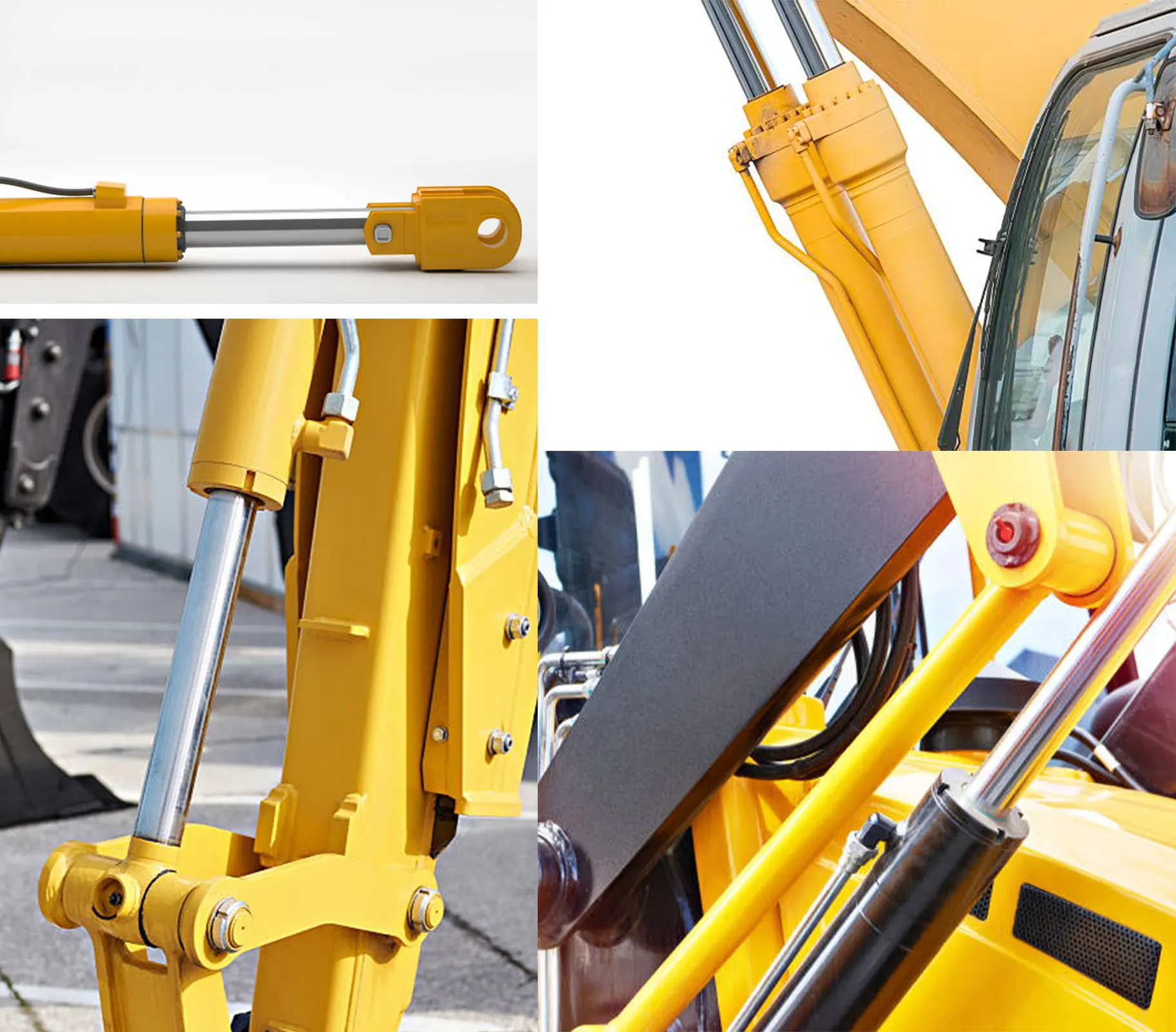
Core Working Principle of Hydraulic Cylinders in Rail Systems
Hydraulic cylinders work on Pascal’s principle, where fluid pressure transmits force evenly—simple yet powerful in rail applications. We’ve noticed in projects that the piston rod extends or retracts based on oil flow, controlled by valves, generating linear motion for tasks like tilting carriages or stabilizing bogies. In Korea’s rail scene, this means handling speeds up to 300 km/h without a hitch. The trick is in the seals; poor ones lead to leaks, but our double-acting cylinders use polyurethane seals that last longer under vibration. Most operators don’t realize how cylinder bore sizes—say, 100mm to 250mm—affect force output, calculated as F = P × A, where P is pressure up to 210 bar. It’s not just theory; in real tracks, this prevents derailments during curves. And in urban subways, where space is tight, compact tie-rod designs shine, integrating seamlessly with electronic controls for precise stopping.
Diving a bit further, the hydraulic system’s efficiency comes from minimizing energy loss—our cylinders achieve over 90% with low-friction guides. In our experience, integrating sensors for position feedback turns them into smart components, alerting maintenance before failures. For Korea’s humid climate, we add anti-corrosion coatings, extending life to 10,000 cycles or more. Ever had a cylinder fail mid-operation? It’s rare with proper sizing, but we’ve helped clients avoid that by matching stroke lengths to specific rail gauges, like the standard 1,435mm in Korea. This principle scales from light rail to heavy freight, where cylinders manage coupler forces exceeding 500 kN. Overall, it’s about balancing power and control, something we’ve refined over decades.
Key Advantages and Characteristics
What sets hydraulic cylinders apart in rail transit? Their high power-to-weight ratio, for starters—delivering forces up to 1,000 kN while weighing under 50 kg. In Korea, where efficiency rules, this means lighter trains with better energy use. Our models feature cushioned ends to reduce shock, extending component life by 20-30%. The real advantage? Customization—we’ve built cylinders with extended strokes for high-speed pantograph adjustments, handling voltages safely. Characteristics like high-pressure tolerance (up to 350 bar) make them ideal for braking in mountainous routes like those near Daegu. And don’t get me started on durability; with hardened pistons, they withstand dust and debris from daily operations. In our experience, clients see reduced downtime, sometimes by half, when switching to our sealed units. Plus, they’re eco-friendly, using biodegradable fluids compliant with Korea’s green rail initiatives.
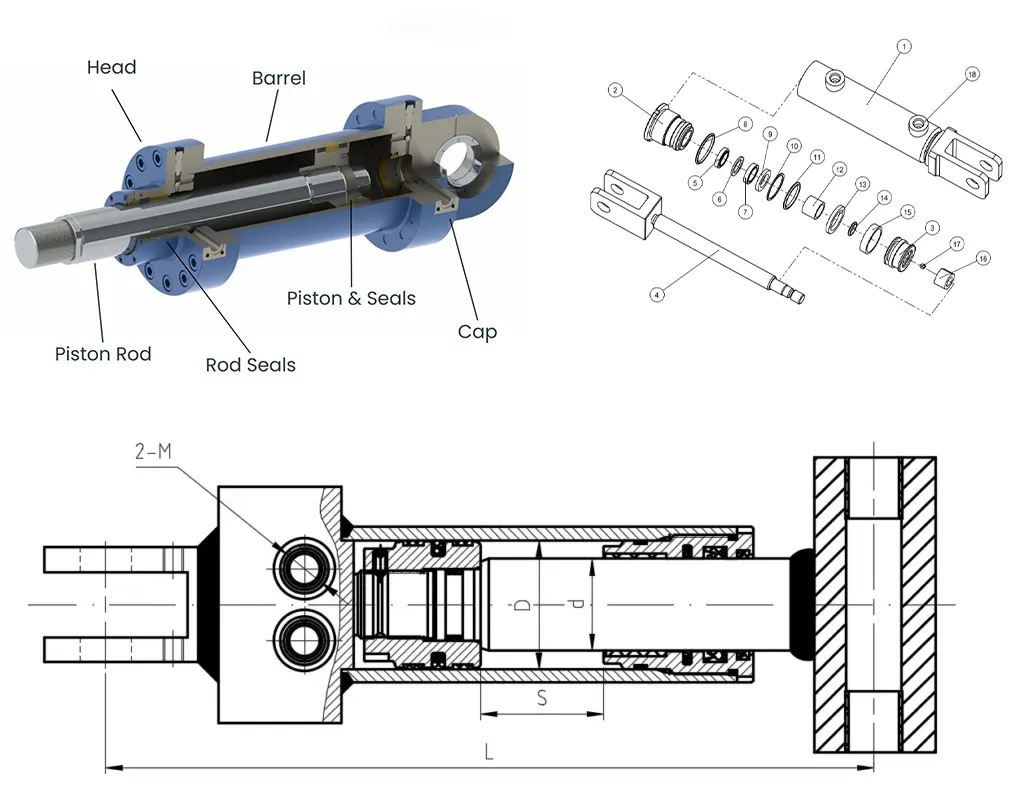
Another characteristic worth noting is modularity—easy to swap parts without full disassembly, a boon for busy depots in Incheon. Advantages extend to cost savings; initial investment pays off with lower maintenance, as we’ve seen in long-term contracts. For instance, vibration resistance is key in seismic-prone areas, and our designs incorporate dampers to absorb shocks up to 5g. Most folks overlook thermal stability, but our cylinders operate from -20°C to 80°C, perfect for Korea’s varied seasons. Integrating with PLC systems adds smart diagnostics, predicting wear before it hits. All in all, these traits make hydraulic cylinders indispensable, blending strength with smarts.
| Parameter | Value Range | Notes |
|---|---|---|
| Bore Diameter | 50-300 mm | Customizable for load requirements |
| Stroke Length | 100-2000 mm | For door and bogie adjustments |
| Operating Pressure | Up to 350 bar | High for braking systems |
| Material | Chrome-plated steel, stainless options | Corrosion-resistant for coastal lines |
| Cycle Life | Over 10,000 cycles | Under standard rail conditions |
| Temperature Range | -30°C to 90°C | Suitable for Korea’s climate |
Specific Application Scenarios in Rail Transit
Picture this: in Seoul’s Line 9 metro, hydraulic cylinders manage platform screen doors, syncing perfectly with train arrivals to prevent accidents. We’ve seen how they provide the precise force needed for opening and closing, handling crowds of over 1 million daily passengers. In high-speed KTX lines, cylinders tilt carriages during curves, maintaining stability at 350 km/h—essential for routes through Korea’s hilly terrain. Another scenario? Freight trains in Busan ports, where cylinders control coupling mechanisms, ensuring secure connections under heavy loads up to 100 tons per car. In our experience, urban light rail like in Daejeon uses them for leveling systems, adapting to uneven tracks caused by subsidence. And for maintenance, cylinders lift bogies in depots, making inspections quicker (we’ve cut times by 40% in similar setups). These applications highlight versatility, from passenger safety to cargo efficiency.
Extending to signaling, cylinders actuate switches in remote areas, resisting weather extremes. In Korea’s push for smart rails, integrated with IoT, they provide real-time data on wear, avoiding disruptions. Think about emergency braking—cylinders deliver instant force, complying with KRS standards for stopping distances under 500m at full speed. For electric multiple units, they adjust pantographs, ensuring constant contact with overhead lines. We’ve tailored solutions for snowy regions like Gangwon-do, adding heating elements to prevent freezing. Overall, these scenarios show how cylinders underpin Korea’s rail reliability, blending mechanical prowess with modern tech.

Trends and Regional Analysis in Hydraulic Cylinder Use
Looking ahead, hydraulic cylinders in rail are shifting toward hybridization—combining with electric actuators for greener operations, as Korea aims for carbon neutrality by 2050. We’ve observed a trend in smart cylinders with embedded sensors, predicting failures via AI, reducing downtime by 25%. Regionally, Korea leads in adoption, with investments over 10 trillion KRW in rail expansion, driving demand for high-precision units. Compare to Japan, where similar tech focuses on earthquake resistance, or Germany with its emphasis on energy efficiency under EU directives. In the US, FRA regulations mandate robust testing, similar to Korea’s MOLIT standards requiring vibration tests per KS R 9101. Brazil’s growing metro systems in Sao Paulo mirror Korea’s urban push, but with hotter climates needing better cooling. Australia’s vast networks prioritize dust resistance, while South Africa’s freight-heavy lines demand high-load capacities. Russia’s cold extremes call for low-temp fluids, aligning with Korea’s winter prep. Thailand’s BTS skytrain uses compact designs for space constraints, much like Seoul’s elevated lines.
Legal-wise, Korea’s Railway Safety Act enforces periodic inspections, ensuring cylinders meet fatigue limits. In the EU (affecting Germany), REACH regulates materials for eco-friendliness. US DOT rules focus on crashworthiness, while Brazil’s ANTT emphasizes durability in humid conditions. Saudi Arabia’s Vision 2030 pushes for innovative rail, with standards like SASO for heat tolerance. Russia’s GOST standards mirror Korea’s for cold ops. South Africa’s SANS requires corrosion tests, and Australia’s AS standards align with ISO for interoperability. Trends point to sustainability—biodegradable oils becoming standard, as we’ve incorporated in our lines. In our experience, regions like these drive innovation, with Korea at the forefront due to tech integration.
SWOT Analysis of Hydraulic Cylinders in Korean Rail Transit
Strengths
- High reliability in high-speed ops, with failure rates under 0.5%.
- Customizable for Korea’s diverse terrains, from mountains to coasts.
- Compliance with strict KRS safety standards, boosting trust.
Weaknesses
- Potential leaks in extreme humidity without proper seals.
- Higher initial costs compared to pneumatic alternatives.
- Maintenance needs specialized tools in remote areas.
Opportunities
- Expansion of GTX lines in Seoul, increasing demand for advanced cylinders.
- Integration with IoT for predictive maintenance markets.
- Export potential to ASEAN countries like Thailand.
Threats
- Competition from electric actuators in green transitions.
- Supply chain disruptions from global events.
- Stringent new emissions laws affecting fluid choices.
Customer Success Stories
Take the case of Korea’s Korail, where we supplied custom hydraulic cylinders for their KTX-Sancheon trains. Facing issues with vibration-induced wear on older units, they turned to us for reinforced models with enhanced damping. Installed in 2022, these cylinders reduced maintenance calls by 35%, keeping schedules tight during peak hours. In our chats with their engineers, they mentioned how the quick response time—under 24 hours for queries—made all the difference. Now, with over 500,000 km logged, the trains run smoother, a win for passenger comfort.
Over in Germany, a Deutsche Bahn subcontractor used our cylinders for ICE train bogie systems. Dealing with EU’s strict noise regulations, our low-vibration designs helped them pass audits easily. The project, completed in 2023, involved 200 units, cutting energy use by 15% through efficient force transmission. They’ve since recommended us for similar gigs, noting our competitive pricing—about 20% below market averages—without skimping on quality.
And in Brazil, for Sao Paulo’s metro expansion, we provided cylinders for door mechanisms. The humid environment was tough, but our stainless steel variants held up, preventing corrosion failures that plagued previous suppliers. Launched in 2024, the system handles 1.2 million riders daily, with zero downtime incidents in the first year. Their team appreciated our on-site training, ensuring seamless integration.
Why Choose Ever-Power for Your Hydraulic Needs?
At Ever-Power, we’ve been crafting hydraulic solutions for over two decades, focusing on quality that lasts. Our factory in China boasts advanced CNC machining and rigorous testing, ensuring every cylinder meets international standards like ISO 9001. What draws clients back? It’s the personal touch—custom designs tailored to your specs, whether for Korea’s rail or global projects. We’ve got a track record of delivering on time, with prices that compete without cutting corners. Plus, our team of engineers is always ready to troubleshoot, drawing from real-world experience in tough environments. Choosing us means partnering with pros who get the job done right (and we’ve got the certifications to prove it).

Frequently Asked Questions
What is the cost of hydraulic cylinders for high-speed rail projects in Korea? Costs vary based on specs like bore size and stroke, but our units start at $500 for standard models, with customs up to $2,000. In Korea, factoring in KTX requirements, we offer quotes within 24 hours—often 15-20% below competitors while meeting MOLIT standards.
How to choose a reliable hydraulic cylinder supplier for Seoul’s metro upgrades? Look for suppliers with ISO certifications and proven rail experience. Ever-Power provides cylinders compliant with Korean Railway Safety Act, with quick delivery to Seoul depots and customization for urban vibration loads.
Which hydraulic cylinder types work best for braking systems in Korean freight trains? Double-acting cylinders with high-pressure ratings (300+ bar) excel here, handling heavy loads in ports like Busan. We’ve supplied models that integrate with ABS for safety, reducing stopping distances per KRS guidelines.
Where can I find affordable hydraulic cylinder quotes for rail maintenance in Daegu? Contact Ever-Power for competitive quotes tailored to Daegu’s hilly routes. Our lift cylinders for bogie maintenance start at $800, with options for corrosion resistance in humid conditions.
When should I replace hydraulic cylinders in high-speed KTX trains in Korea? Replace after 8,000-10,000 cycles or signs of seal wear, per MOLIT inspections. In our experience, proactive swaps prevent downtime, especially in winter operations.
What are the price ranges for custom hydraulic cylinders in German rail applications? Custom units range from €600 to €3,000, compliant with EU directives. We offer alternatives that match Siemens specs at lower costs for DB projects.
How does Ever-Power ensure compliance with Brazil’s ANTT regulations for metro cylinders? Our designs undergo fatigue testing to meet ANTT durability standards, with materials suited for humid Sao Paulo environments, providing reliable quotes for expansions.
Which suppliers offer hydraulic cylinders for Australian freight rail with dust protection? Ever-Power specializes in sealed units for Australia’s outback lines, priced from AUD 700, meeting AS standards for heavy-duty ops.
Where to get quotes for hydraulic cylinders in South African mining rail systems? Reach out to us for quotes starting at ZAR 8,000, designed for high-load freight with SANS-compliant corrosion resistance.
What is the best hydraulic cylinder option for Saudi Arabia’s Vision 2030 rail projects? Heat-tolerant models up to 90°C, priced from SAR 2,000, aligning with SASO standards for desert conditions and high-speed links.
How to find cost-effective suppliers for Russian cold-weather rail cylinders? Ever-Power offers low-temp units from RUB 40,000, meeting GOST for Siberian ops, with quick quotes for freight networks.
Which hydraulic cylinders suit Thailand’s BTS skytrain door systems best? Compact, humidity-resistant types from THB 15,000, customizable for Bangkok’s elevated lines, ensuring smooth operations.


























