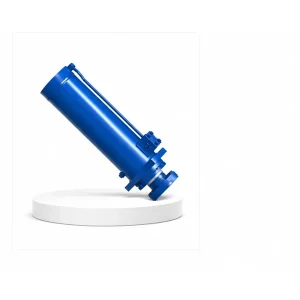
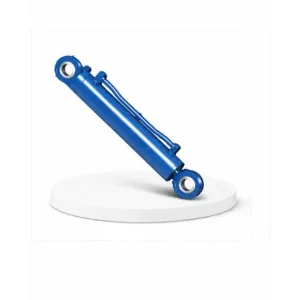
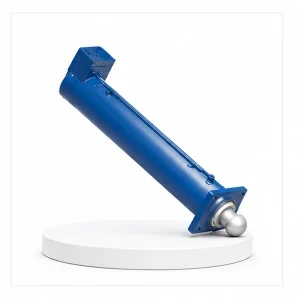
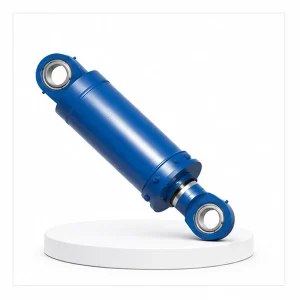
Aerial Work Platform Rotary Actuator
True Rotary — Not a Cylinder with a Linkage, Not a Motor with a Gearbox
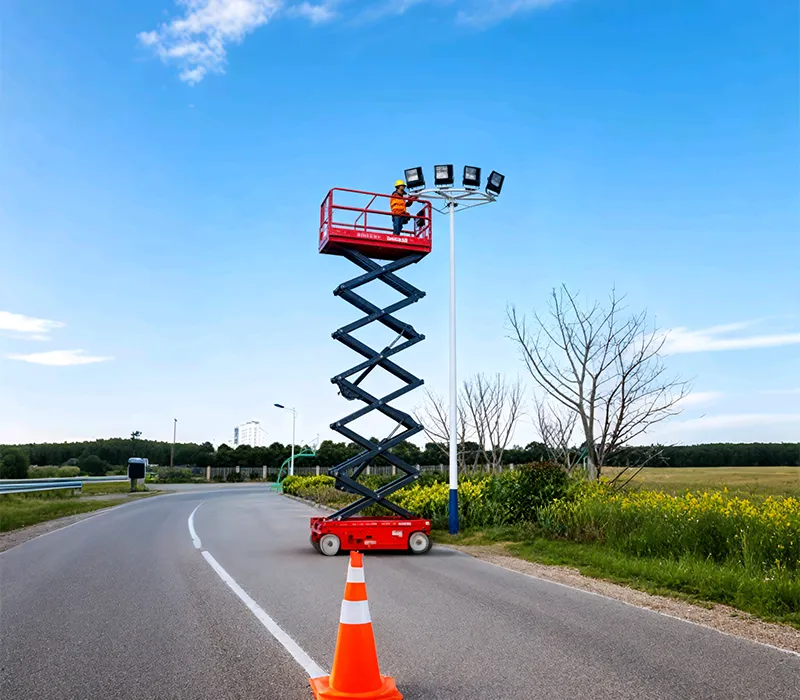
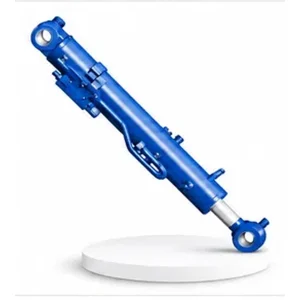
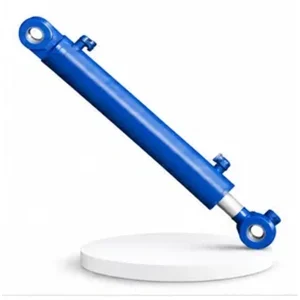
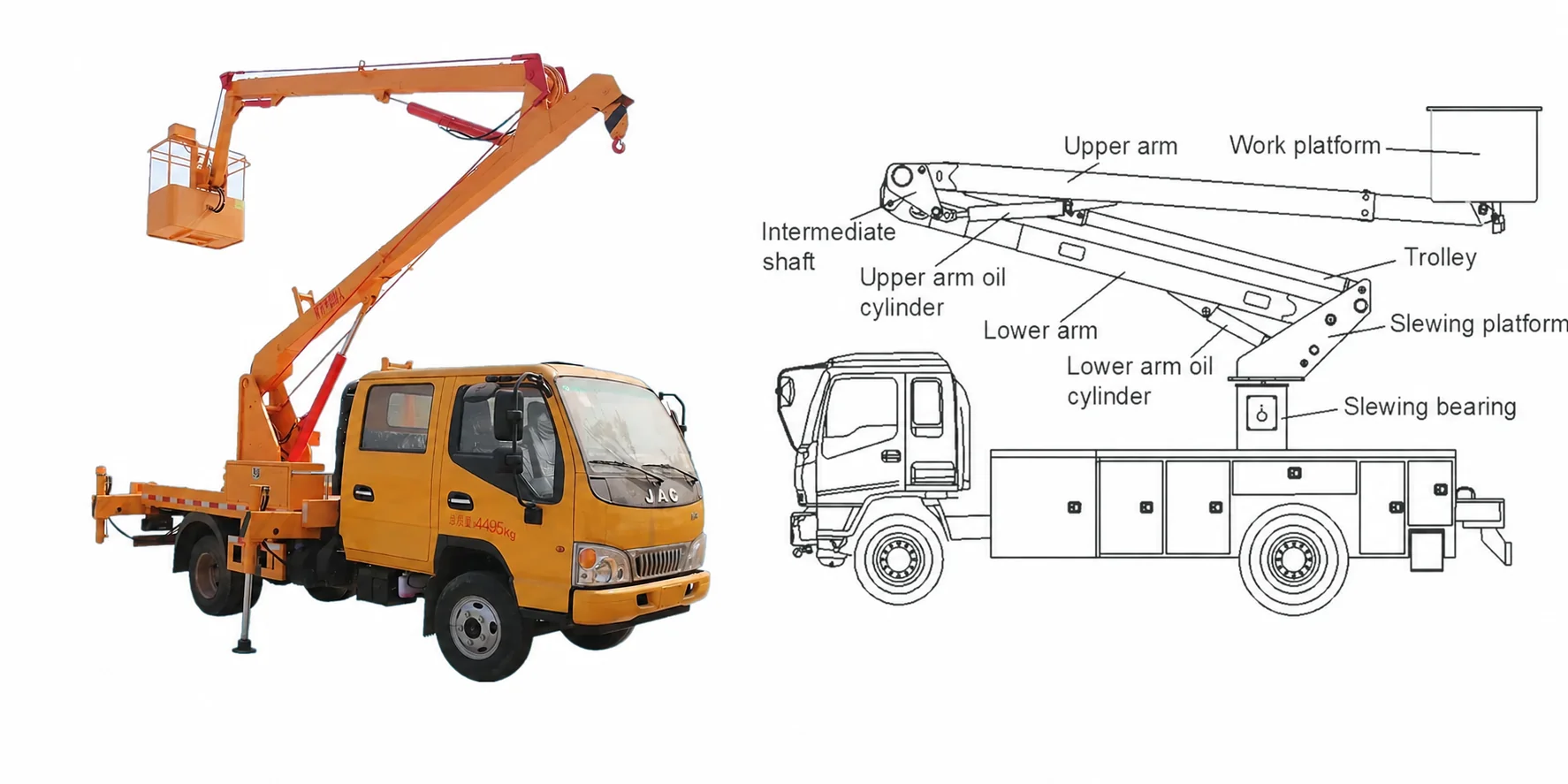
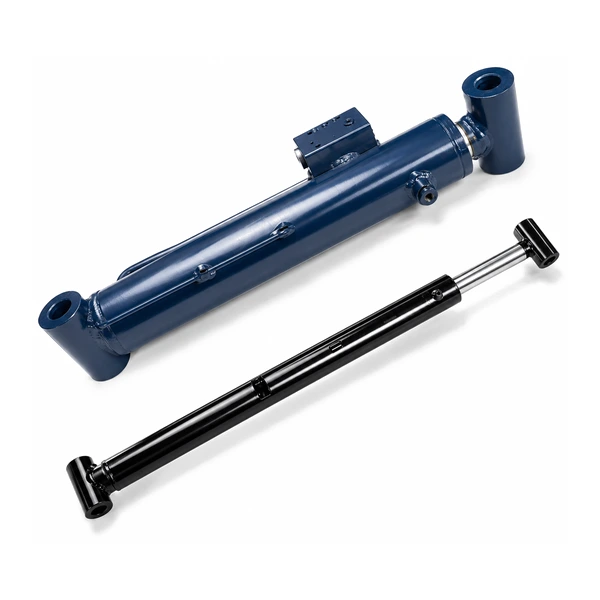
Product #5 (small excavator rotary actuator) carries the name "rotary" but is actually a linear cylinder connected to a swing linkage — the cylinder pushes a lever arm, and the lever arm rotates the boom. This works for the excavator's limited ±30° offset angle, but it cannot produce continuous 360° rotation, and the packaging is too bulky for the tight knuckle joints of an aerial platform boom.
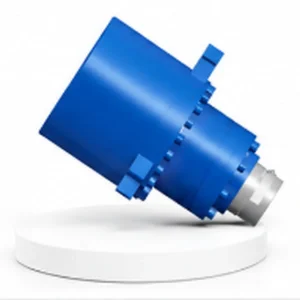
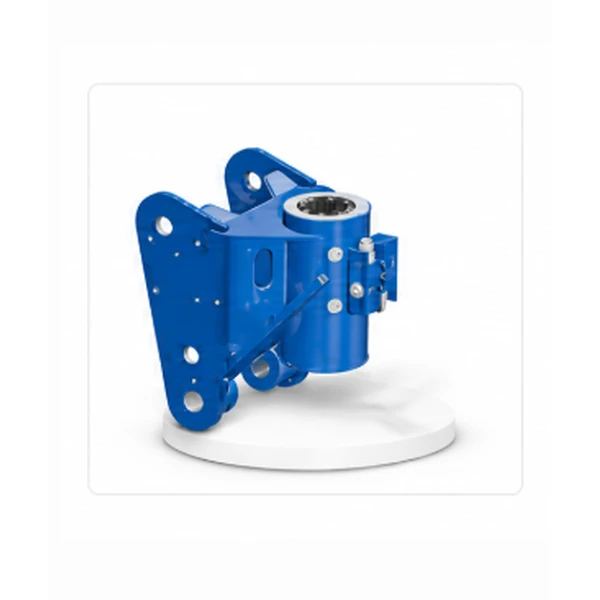
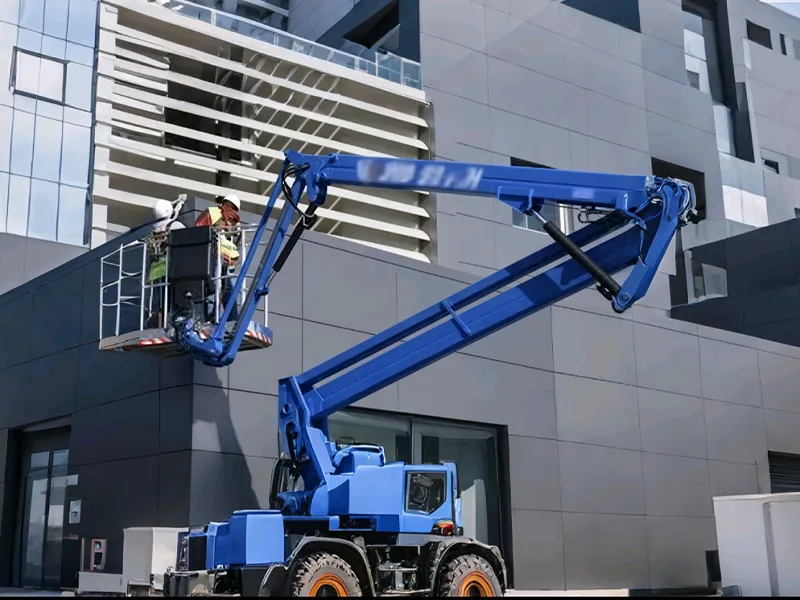
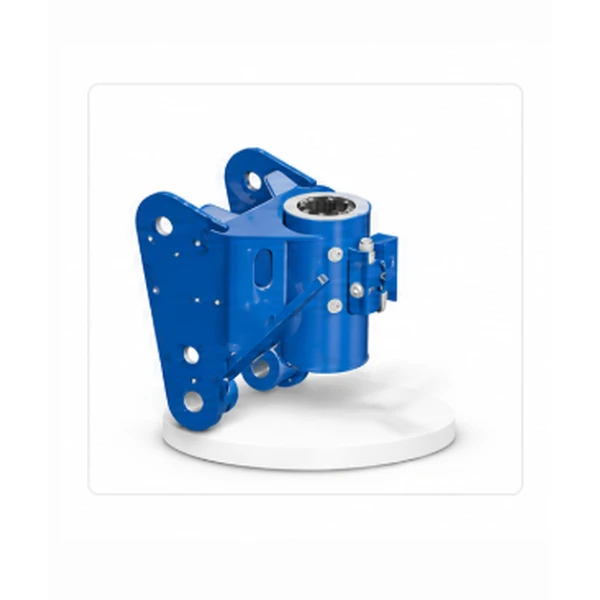
Product #16 is genuinely rotary: a vane or gear set inside a cylindrical housing converts hydraulic pressure directly into rotational torque. The output shaft rotates — no linkage, no lever arm, no angular limitation. The compact cylindrical housing bolts directly into the boom knuckle joint or basket pivot, producing smooth 360° rotation from a package that occupies 30–50% less volume than a cylinder-and-linkage arrangement producing the same torque.
Korea Ever-Power manufactures the rotary actuator as the seventh and final product in the aerial work platform hydraulic cylinder range — and the 31st and final product in the complete mobile machinery catalogue.
Technical Specifications
| Parameter | Specification |
|---|---|
| Product | Aerial Work Platform Rotary Actuator |
| Function | Platform and crank arm swing (0–360° rotation) |
| Type | Vane type (≤2,000 Nm) / Gear type (2,000–5,000 Nm) |
| Torque | 500 – 5,000 Nm |
| Swing Angle | 0 – 360° |
| Pressure | 21 MPa (standard working pressure) |
| Application | Aerial Work Platform (basket swing, crank arm, jib rotation) |
| Certification | ISO 9001 · EN 280 / ANSI A92 compatible |
Vane vs Gear — Two Mechanisms for Different Torque Ranges
A single or double vane inside a cylindrical housing swings under hydraulic pressure, producing torque proportional to the vane area × pressure × radius. Vane actuators are compact and lightweight — ideal for platform basket swing and jib rotation on smaller boom lifts. Single-vane designs achieve 360° continuous rotation; double-vane designs produce 2× torque but limit the angle to 90–180°.
A rack-and-pinion or helical gear mechanism converts the linear force of an internal piston into rotary output. Gear actuators handle higher torque and greater shock loads than vane types — suitable for heavy crank arm swing on large articulating booms. The gear mechanism also provides more precise angular positioning (±0.5°) than vane types (±1–2°). Contact Korea Ever-Power for rotary actuator selection guidance.
Manufacturing Process
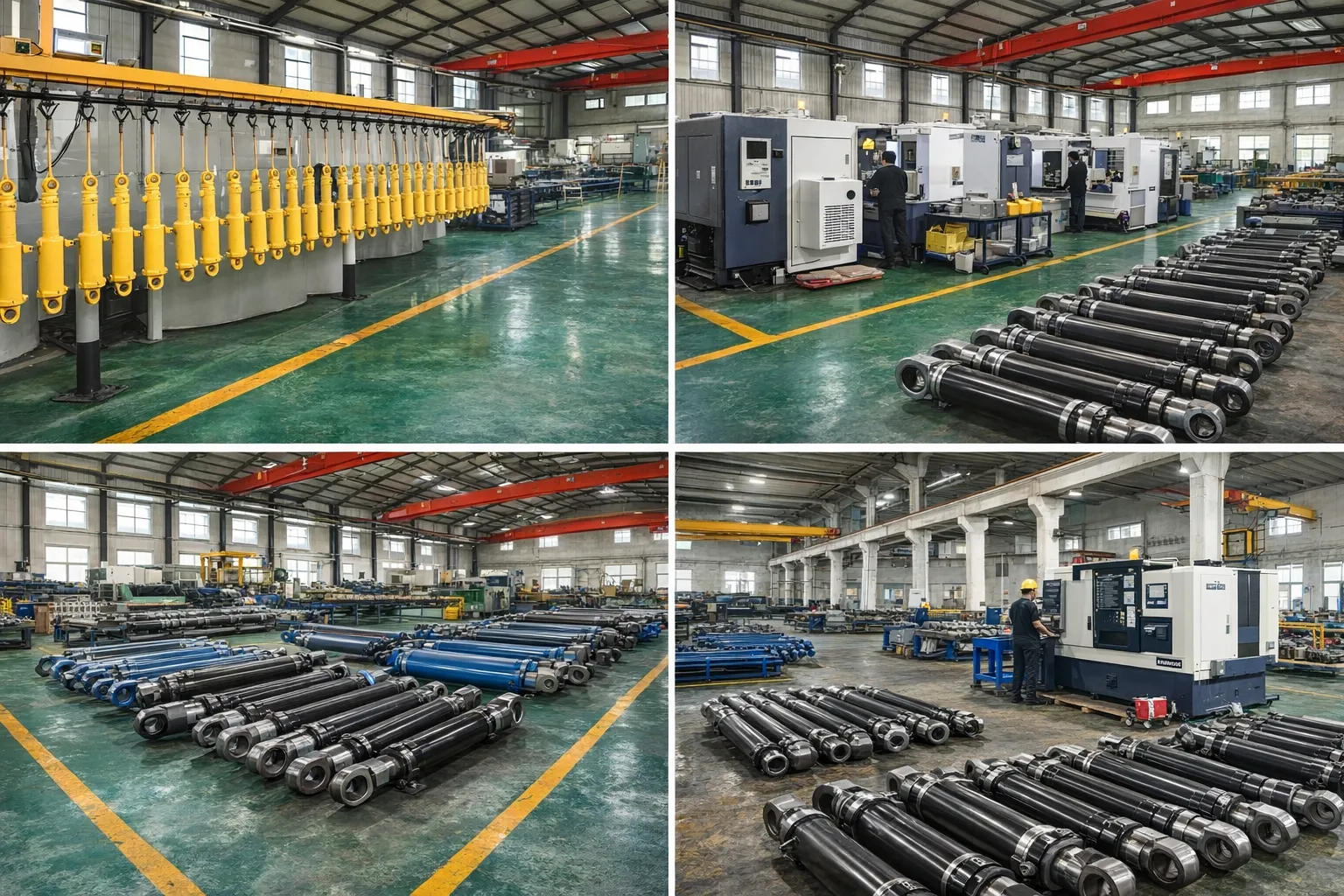
Vane actuators: the housing bore is honed to Ra 0.2–0.4 µm — the vane tip seals against the bore, so the bore finish directly affects internal leakage and torque efficiency. Vane-tip seals are PTFE-composite for low friction and 20,000+ hour life. Gear actuators: the rack is precision-ground and induction-hardened; the pinion is carburised steel; mesh backlash ≤0.05 mm for precise angular positioning.
Both types are hydrostatic tested at 1.5× rated pressure (31.5 MPa) and torque-tested at rated pressure — verifying that output torque matches the specification within ±5%. Every rotary actuator is swing-tested for smooth 360° rotation (vane) or full-angle rotation (gear) without stick-slip, cogging, or torque ripple.
OEM & ODM
FAQ
Related Categories
Další informace
| Editor |
|---|