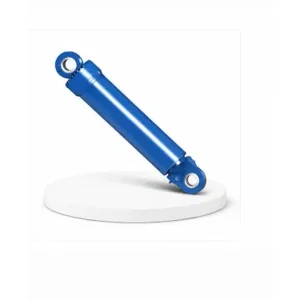
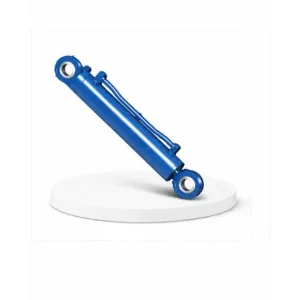
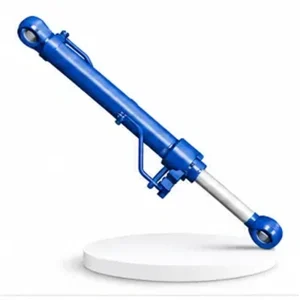
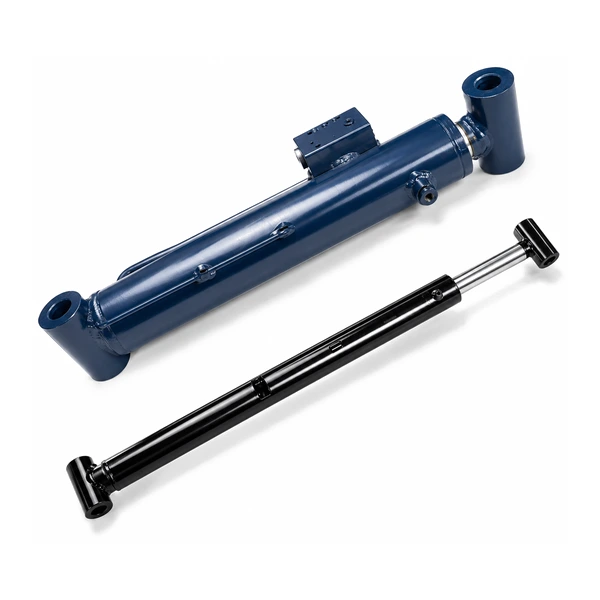
Large Excavator Boom Cylinder
Twin Cylinders — Why Large Excavators Use Two Boom Cylinders Instead of One
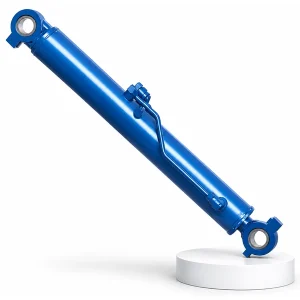
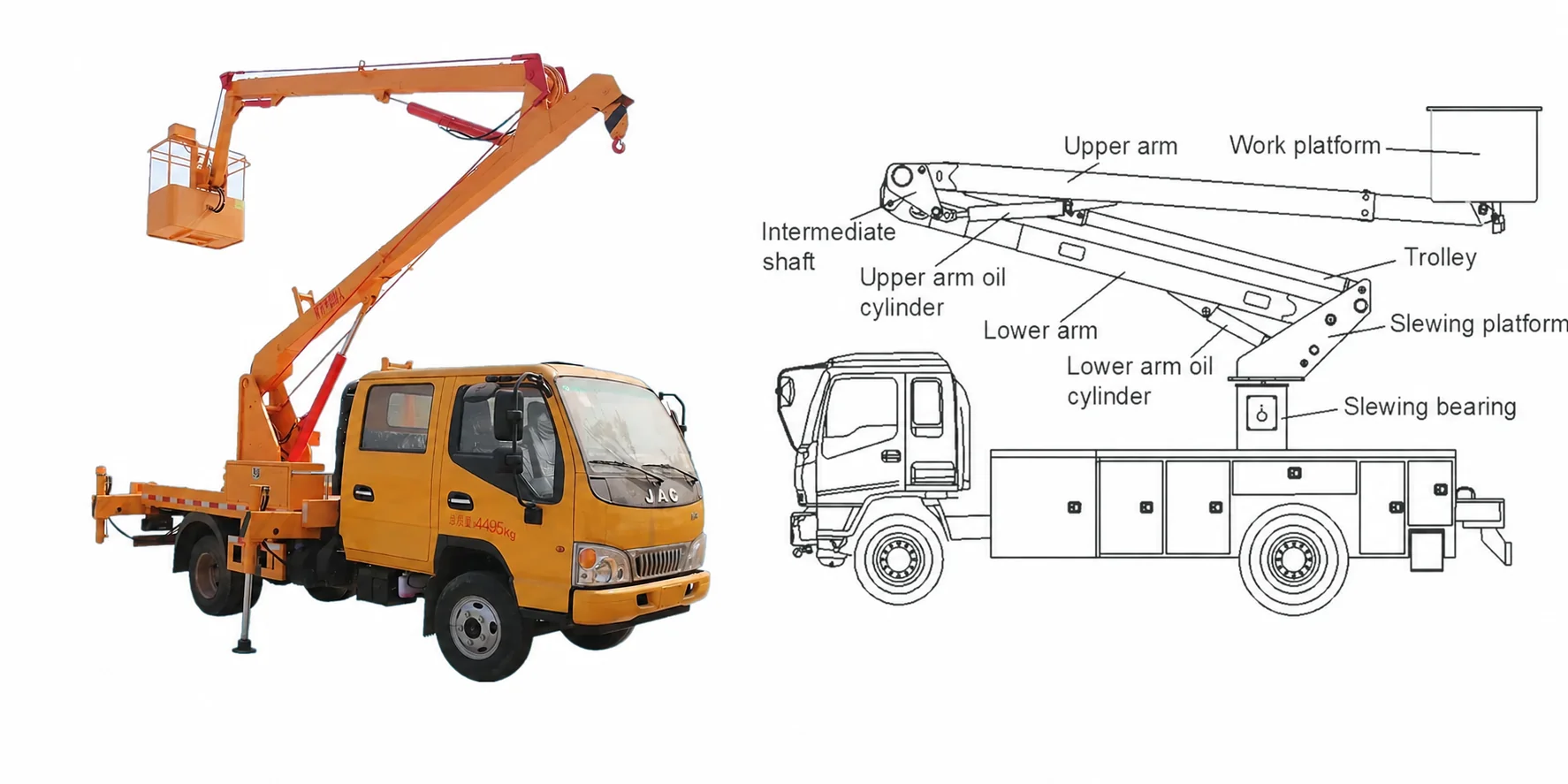
A small excavator (#3) uses a single boom cylinder mounted on top of the boom. A large excavator uses two — one on each side. The reason goes beyond simply needing more force. A single centre-mounted cylinder on a 30-tonne arm assembly would require a bore exceeding 600 mm to produce the required lift force — impractical to manufacture, transport, and service. Two 420 mm cylinders produce the same combined force in a much more practical package.
The twin configuration also provides structural symmetry. On a single-cylinder machine, the lifting force applies at one point — creating a torsional moment on the boom root. On a twin-cylinder machine, the force is split equally between both sides — eliminating the torsion and distributing the stress evenly across the boom's welded structure. This symmetric loading extends boom structural life and reduces the fatigue risk at the critical boom-to-superstructure pivot joint.
Korea Ever-Power supplies boom cylinders as matched pairs within the large excavator hydraulic cylinder range — both cylinders manufactured from the same bore batch, tested at the same pressure, and verified for matched force output to ensure symmetric boom lifting.
Technical Specifications
| Parameter | Specification |
|---|---|
| Product | Large Excavator Boom Cylinder |
| Function | Control the lifting motion of the big arm (boom) |
| Bore Diameter | 200 mm – 420 mm |
| Rod Diameter | 140 mm – 300 mm |
| Stroke | ≤ 3,500 mm |
| Max Thrust | 4,846.6 KN per cylinder (bore 420 mm / 35 MPa) |
| Configuration | Twin-cylinder (matched pair, one per side) |
| Certification | ISO 9001 · 100% hydrostatic tested · drift tested · matched pair |
4,847 KN — The Physics of Holding 45 Tonnes at Full Reach
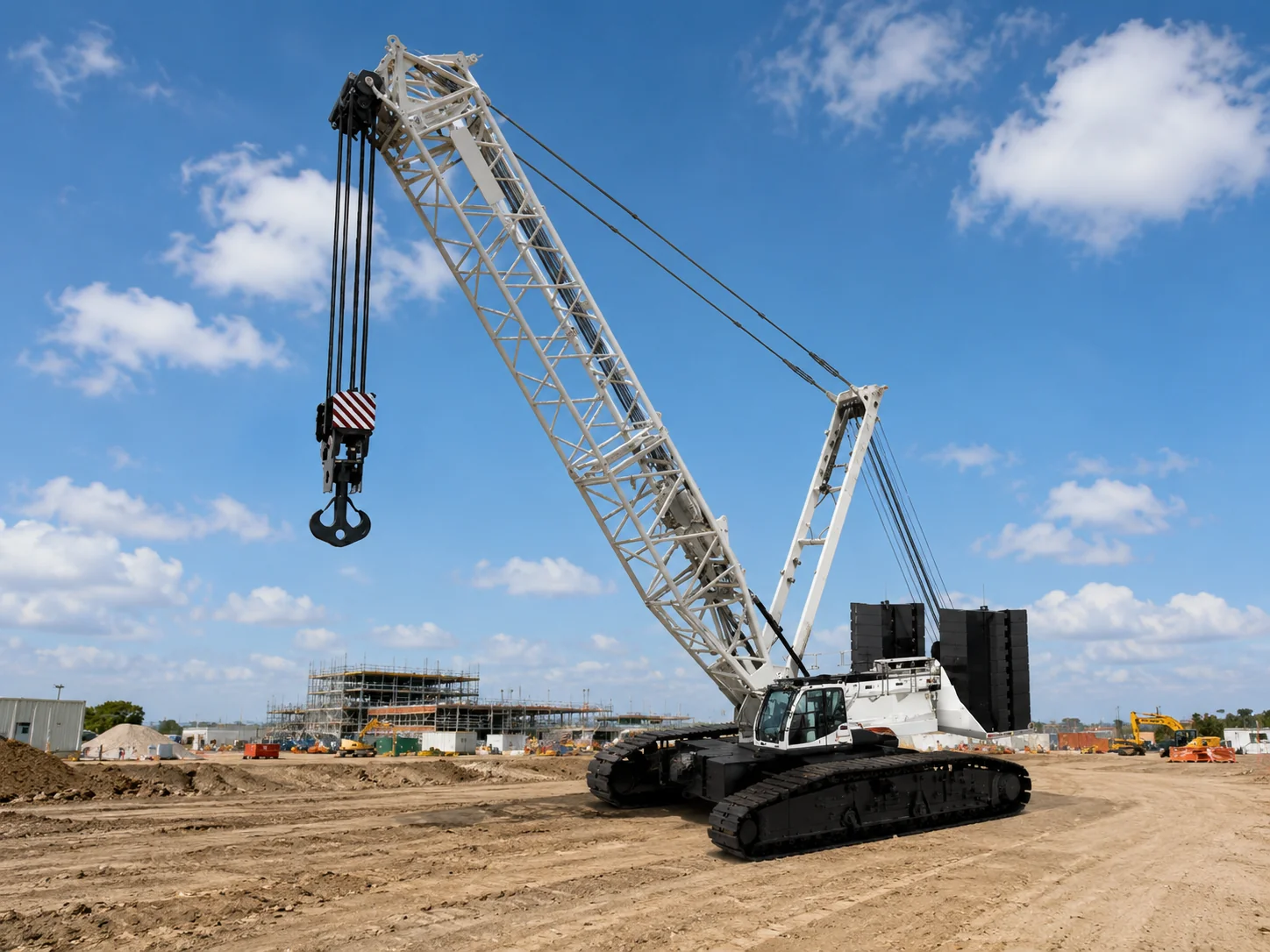
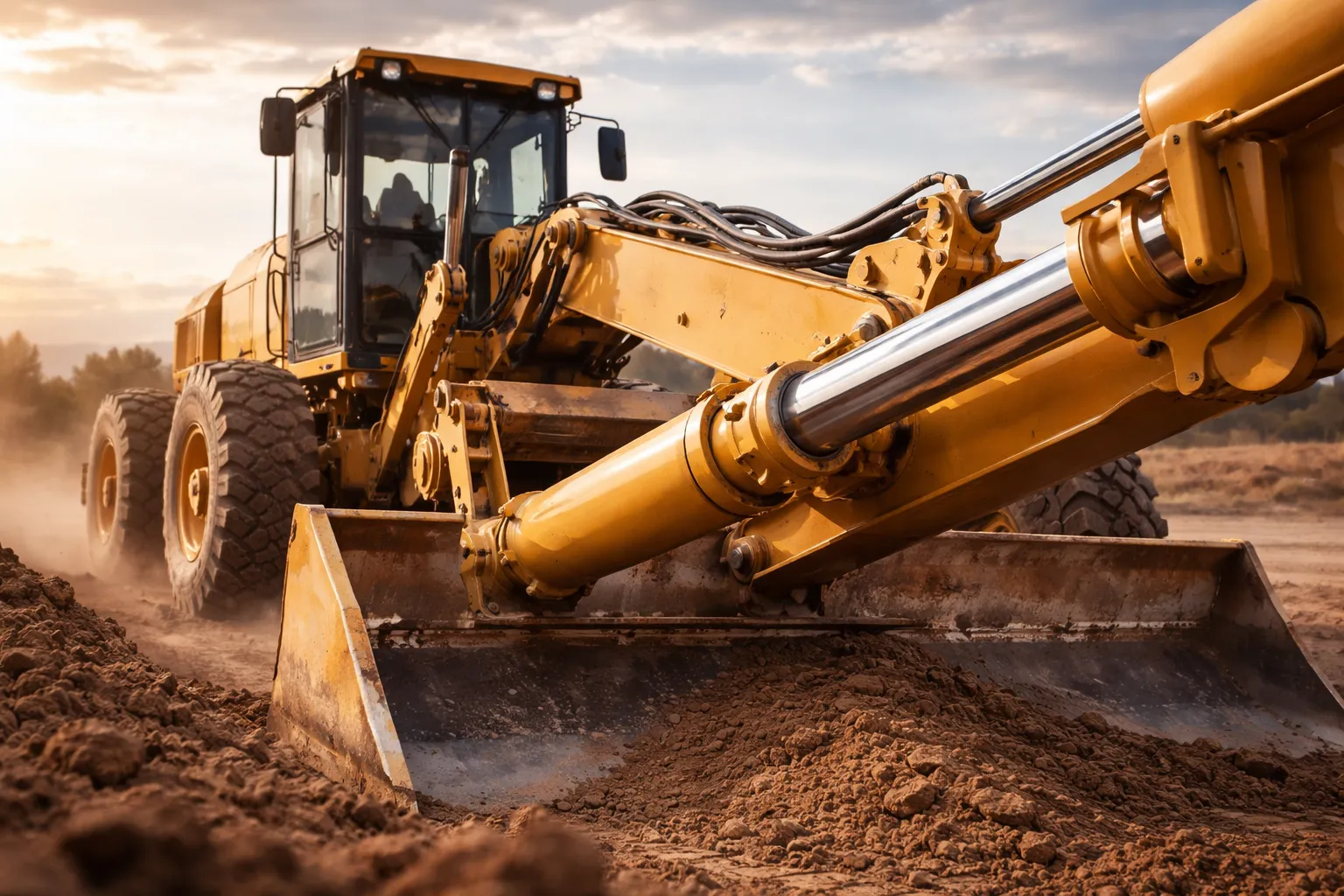
On a 100-tonne excavator with a 12-metre boom and a full 7 m³ bucket, the arm assembly (boom + stick + bucket + payload) totals approximately 30–45 tonnes — hanging at the end of a 12-metre lever arm. The gravitational moment at the boom pivot can reach 3,000–5,000 KNm. Each boom cylinder must produce enough force, multiplied by its lever arm (typically 1.5–3.0 metres), to counteract half this moment.
When the boom is horizontal, the gravitational moment is maximum (full weight × full lever arm). This is the design condition that sets the 420 mm bore and 35 MPa pressure. As the boom rises toward vertical, the moment arm shortens and the required cylinder force decreases — the same cylinder that strains at horizontal cruises comfortably at 60° elevation.
When the boom lowers, gravity does the work — the cylinders retract under the arm's weight. Modern large excavators use boom-down energy regeneration: the oil displaced from the boom cylinders is redirected to assist the boom-up stroke of the next digging cycle, saving 5–15% of the machine's fuel consumption. The boom cylinder's port sizing is optimised for this regenerative flow. Contact Korea Ever-Power engineering for boom cylinder specifications.
Manufacturing Process
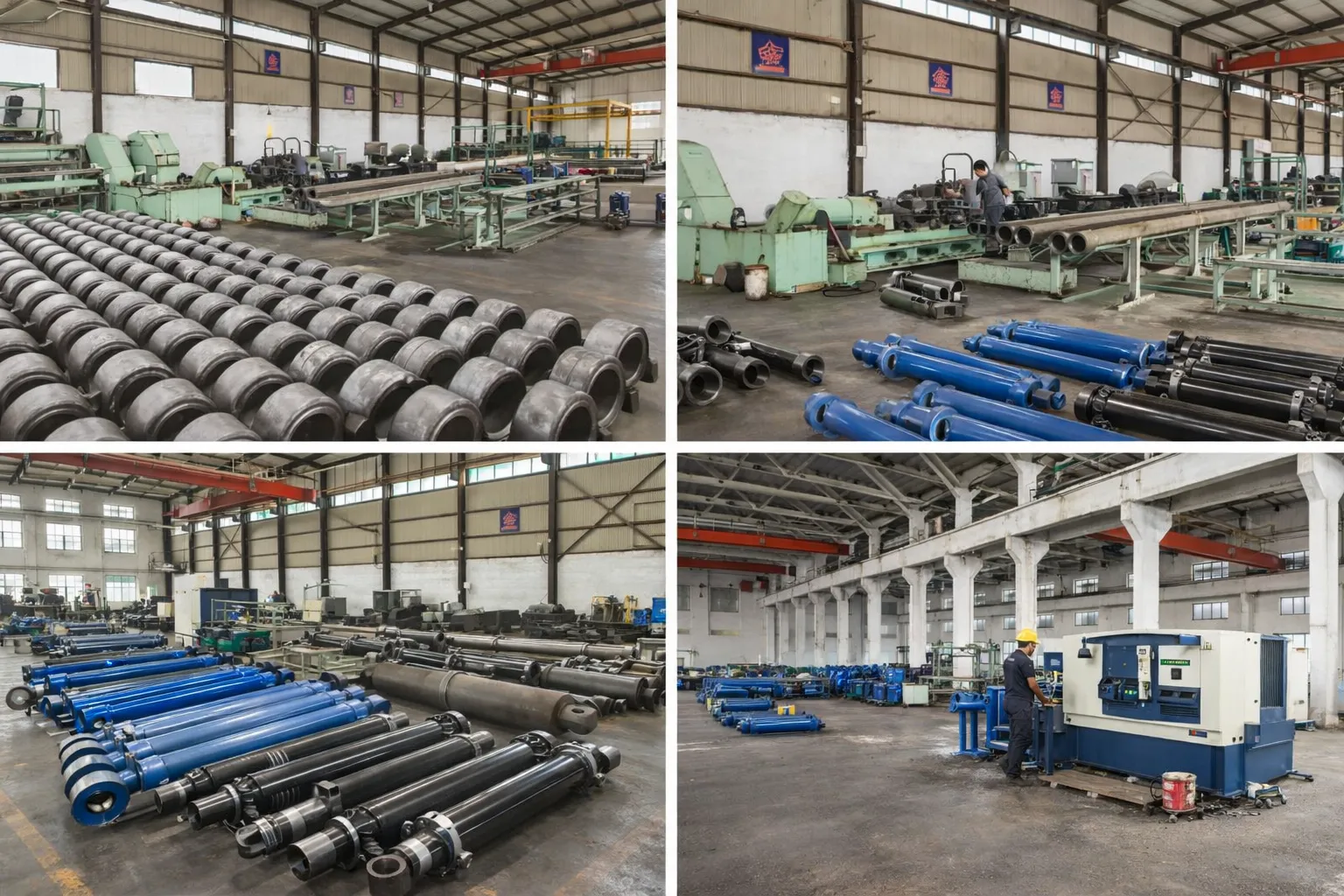
The 420 mm bore — the largest single-bore excavator cylinder Korea Ever-Power produces — is deep-hole bored and honed to Ra 0.2–0.4 µm. The barrel wall thickness exceeds 50 mm to contain the 35 MPa working pressure with the required safety factor. Chrome plating 80 µm. Rod straightness ≤0.1 mm/metre over 3,500 mm. Rod eyes forged from single billets — not welded — because the twin-cylinder boom pivot joint carries the full arm weight under continuous cyclic loading.
Every boom cylinder pair is hydrostatic tested at 52.5 MPa (1.5×), drift-tested (both cylinders loaded identically, position monitored for 10 minutes), and force-matched — verifying that the two cylinders produce equal thrust at the same input pressure, ensuring symmetric boom lifting. Seal kits are supplied per pair.
OEM & ODM
FAQ
Related Categories
Zusätzliche Informationen
| Editor |
|---|