
Ro-ro Platform Latch Cylinder (Mechanical Self-Locking)
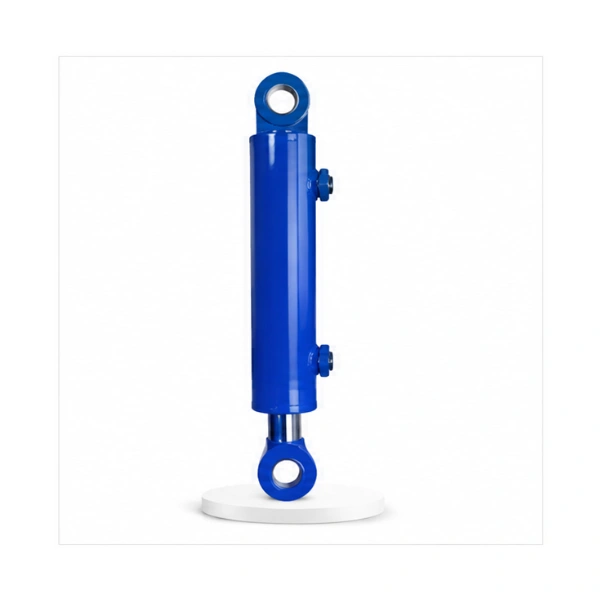
Ro-ro Platform Latch Cylinder
Mechanical Self-Locking
When a ro-ro ramp is stowed for sea transit, a latch bolt locks it in place. This cylinder drives the bolt — and a built-in mechanical spring lock holds it engaged even if all hydraulic pressure is lost. No power, no pumps, no problem — the ramp stays locked.
Technical Specifications
| Parameter | Specification |
|---|---|
| Product Name | Ro-ro Platform Latch Cylinder (Mechanical Self-Locking) |
| Features | Lock the bolt after ramp is stowed; mechanical spring lock |
| Specifications | 80/45*S, 60/32*S — front and rear locking |
| Working Pressure | 25 MPa |
| Piston Rod | Stainless steel |
| Classification | DNVGL type approval |
| Application | Ro-Ro Platform |
How Mechanical Self-Locking Works
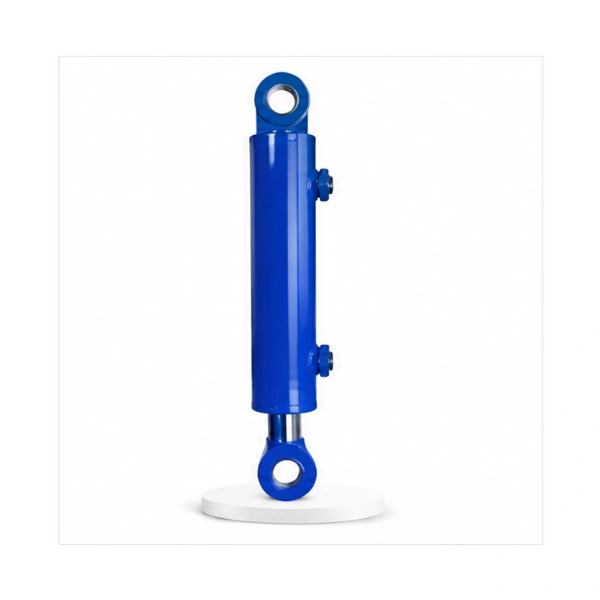
The mechanical self-locking latch cylinder uses a spring-engaged locking mechanism built into the cylinder body. When hydraulic pressure drives the bolt into the locked position, the spring mechanism engages automatically — holding the bolt in place mechanically, independent of hydraulic pressure. To unlock, hydraulic pressure must actively compress the spring before the bolt can retract.
This means the ramp latch remains locked even if the hydraulic system loses pressure due to pump failure, hose burst, or power loss — a critical safety requirement for ro-ro vessels during ocean transit where storm waves can generate 100+ tonnes of force on the stowed ramp.
The stainless steel piston rod resists the corrosion from salt spray and condensation that accumulates on the ramp mechanism during sea passages. Browse the offshore hydraulic cylinder range for all ro-ro products.
Mechanical vs Hydraulic Self-Locking — When to Choose Which
- ✓ Holds without any power source
- ✓ Simplest fail-safe — spring is always engaged
- ✓ Fewer hydraulic connections
- ✗ Spring adds to cylinder length
- ✗ Spring force limits maximum bolt retraction force
- ✓ More compact cylinder body
- ✓ More size options (80/50, 63/40, 40/28)
- ✓ Higher bolt retraction force available
- ✗ Requires trapped hydraulic pressure to hold
- ✗ Pilot-operated check valves add complexity
Safety Features and Compliance
- DNVGL type approval — the latch cylinder is type-approved under DNVGL rules for classification of ships, meeting the requirements for ro-ro loading equipment safety devices.
- ️ Front and rear locking — the bolt can lock in both the extended and retracted positions, providing positive locking in both the ramp-stowed and ramp-deployed configurations.
- Visual position indicator — an external indicator shows whether the lock is engaged or released, allowing crew to verify latch status without accessing the hydraulic system.
Latch Cylinder OEM & ODM
Korea Ever-Power supplies mechanical self-locking latch cylinders for new-build and existing ro-ro vessels. Provide the ramp model, bolt diameter, locking force requirement, and classification requirement. Complete DNVGL documentation package included. Contact the Korea Ever-Power hydraulic cylinder team for ro-ro ramp system quotations.
Frequently Asked Questions
What Our Customers Say
"The mechanical self-locking latch cylinders give our crew peace of mind during North Atlantic crossings. Even during the worst storms, we know the stern ramp is positively locked — no hydraulic system required to maintain the lock."
Capt. O. Magnusson — Master, Icelandic cargo ferry
"DNVGL documentation was complete and accepted without revision. The type approval certificate covers both the 80/45 and 60/32 specifications."
H. Petersen — Classification Coordinator, Danish shipyard
"Good latch cylinders. The stainless rod is the right choice for our Mediterranean routes — salt spray corrosion was destroying our previous chrome-plated rods within 2 years. Only minor note: the mechanical lock adds about 80 mm to the overall cylinder length compared to hydraulic."
A. Ferrante — Technical Manager, Italian ferry operator
"The visual position indicators are a practical addition — our deck crew can verify latch status at a glance during pre-departure checks. Saves time and eliminates the need to check hydraulic pressures manually."
K. Papadopoulos — Deck Officer, Greek island ferry
"Replacement latch cylinders for a 15-year-old ferry. Korea Ever-Power matched the bolt engagement dimensions from our original MacGregor equipment. The mechanical spring mechanism is a direct equivalent — same lock force, same engagement depth."
R. Gonzalez — Fleet Maintenance, Spanish ferry line
Related Hydraulic Cylinder Categories
Lisätiedot
| Editor |
|---|
Tutustu myös
-
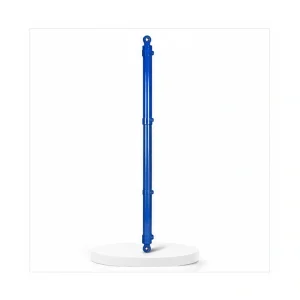
Reach Stacker Telescopic Cylinder
-

Offshore Crane A Type Mast Crane Luffing Cylinder
-
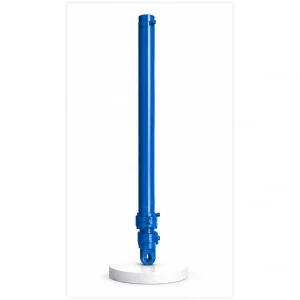
Cutter Suction Dredger Inverted Pile Cylinder
-
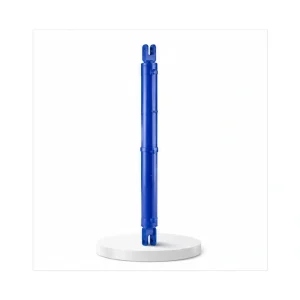
Empty Container Stacker Tilt Cylinder
-
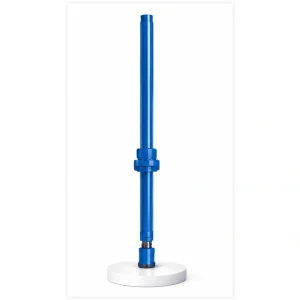
Cutter Suction Dredger Traveling Cylinder
-
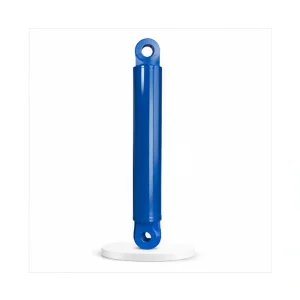
Offshore Crane Main Boom Luffing Cylinder
-
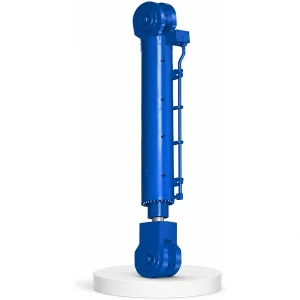
Split Barge Split Cylinder
-
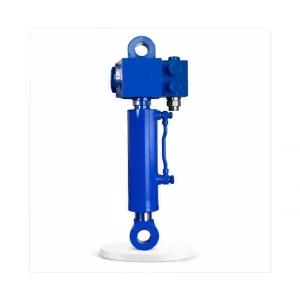
Ro-Ro Platform Latch Cylinder (Hydraulic Self-Locking)


























