Split Barge Split Cylinder
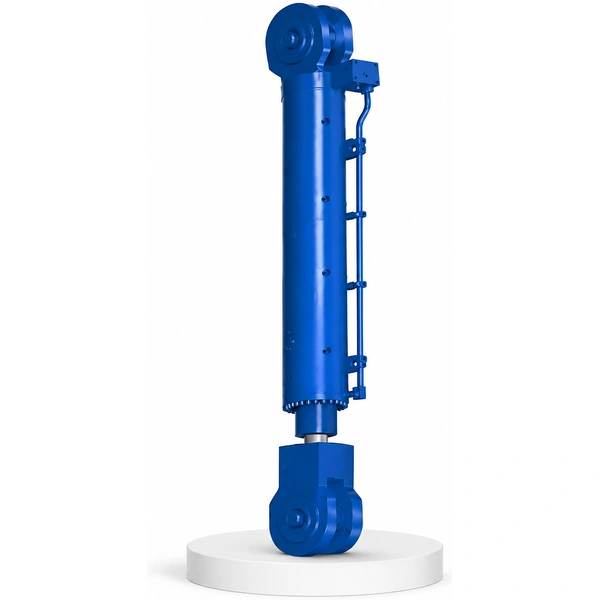
Split Barge Split Cylinder
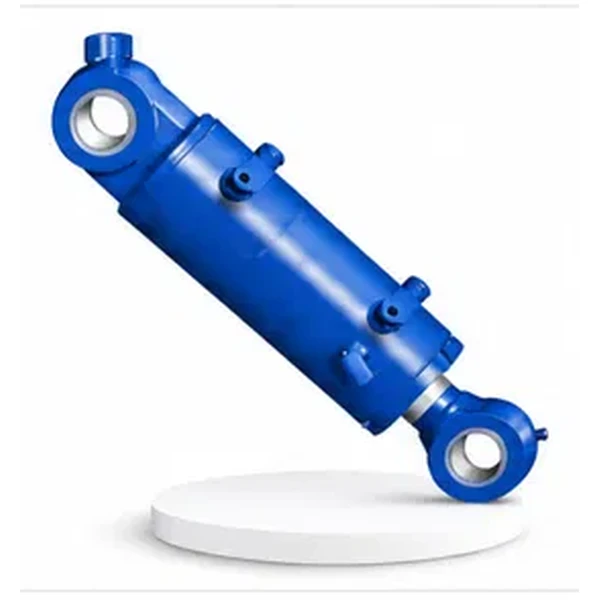
The hydraulic muscle that splits a 5,000-tonne hopper barge in half — opening the hull bottom in seconds to dump dredged material directly onto the seabed. Bore up to 550 mm. Pull force up to 6,000 KN. Built for saltwater, high pressure, and decades of marine service.
Split Barge Split Cylinder Specifications
| Parameter | Specification |
|---|---|
| Product Name | Split Barge Split Cylinder |
| Features | Closed hull |
| Bore Diameter | Up to 550 mm |
| Rod Diameter | Up to 280 mm |
| Stroke | ≤ 1,000 mm |
| Pull Force | Up to 6,000 KN |
| Working Pressure | Up to 38 MPa |
| Temperature Range | -40 °C to +100 °C (extended range available) |
| Application | Split Hopper Barge |
| Certification | ISO 9001 · Classification society approval available |
What Is a Split Barge Hydraulic Cylinder?
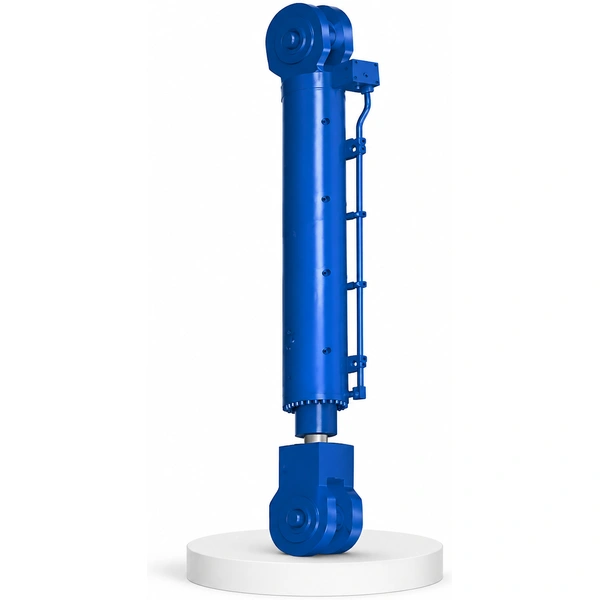
A split hopper barge transports dredged material — sand, gravel, clay, silt, or blasted rock — from the dredging site to a disposal area. To discharge, the barge's hull splits open along its centreline: the two hull halves swing downward, and the entire cargo drops through the opening into the water below in 15–45 seconds. The split barge split cylinder is the heavy-duty offshore hydraulic cylinder that pulls the hull halves open and pushes them closed again — generating up to 6,000 KN of pull force while operating in continuous saltwater exposure.
Typically 8–12 split cylinders are mounted inside the hull structure per barge, arranged symmetrically along both sides of the centreline. Korea Ever-Power engineers each cylinder for the specific barge model's hull geometry, hopper capacity, and the corrosion demands of the operating waters.
How the Split Barge Discharge Cycle Works
Loading — Hull Closed
The split cylinders hold the hull halves tightly closed under full hydraulic pressure while the dredger fills the hopper. The cylinders must resist the increasing cargo weight (up to 5,000 tonnes) pressing down on the hull doors throughout loading.
Transit — Hull Sealed
During transit (often 20–50 km), the cylinders maintain hull integrity against wave loads and dynamic cargo sloshing. Load-holding valves on each cylinder prevent any hull movement if a hydraulic line fails.
Discharge — Hull Splits
The operator reverses hydraulic flow. The cylinders retract, pulling the hull halves apart. Cargo drops through the opening in 15–45 seconds. Retraction speed is metered to prevent the hull from slamming open.
Closing — Hull Re-Sealed
The cylinders extend to push the hull halves back together, overcoming door weight (100–300 tonnes per side), seawater resistance, and hinge friction. The hull seals engage, and the barge is ready for the next cycle.
Advantages of Korea Ever-Power Split Barge Cylinders
Wide temperature range (-40 °C to +100 °C) — operates from Arctic dredging to tropical installations. Higher or lower temperature variants available on request.
- Sealed waterproof structure — mature sealing design ensures long-term leak-free operation under continuous saltwater immersion. Double-lip rod seals with backup wiper prevent seawater ingress.
- FEA-optimised structure — theoretical analysis and finite element calculation of the complete cylinder system. Optimised for weight, strength, and fatigue life — critical when 8–12 cylinders per barge must cycle 5–15 times per day for 20+ years.
- ️ Anti-corrosion guide sleeve — special anti-corrosion technology on the guide sleeve solves the chronic rusting problem that conventional offshore hydraulic cylinders face after 2–3 years of saltwater exposure.
- ⚙️ Integrated valve block — P.O. check valves, load-holding valves, sequence valves, relief valves, and pressure measuring joints can be designed directly into the cylinder body — reducing external piping and potential leak points.
- Fully custom OEM/ODM — working pressure, bore, rod, stroke, mounting, and surface treatment are tailored to the specific barge model and operator requirements.
Surface Anti-Corrosion for Marine Hydraulic Cylinders
Marine hydraulic cylinders face the most aggressive corrosion environment of any industrial application. Korea Ever-Power provides multiple surface protection strategies for the split barge split cylinder:
Ceramic Spraying (HVOF)
Hardness exceeds 1,200 HV — 3× harder than hard chrome. Exceptional resistance to saltwater pitting and erosion. Service life: 15–25 years without re-coating. Ideal for high-cycle barges.
Laser Cladding
Metallurgically bonded alloy layer (Inconel, Stellite, or nickel-chrome). Cannot flake or delaminate. Field-repairable without removing the cylinder. For the most extreme offshore environments.
Hard Chrome (Standard)
Industrial hard chrome plating (50–80 µm). Lower cost for protected or freshwater environments — river dredging, lake reclamation, harbour maintenance. 5–10 year replate intervals.
Where Split Hopper Barges Operate
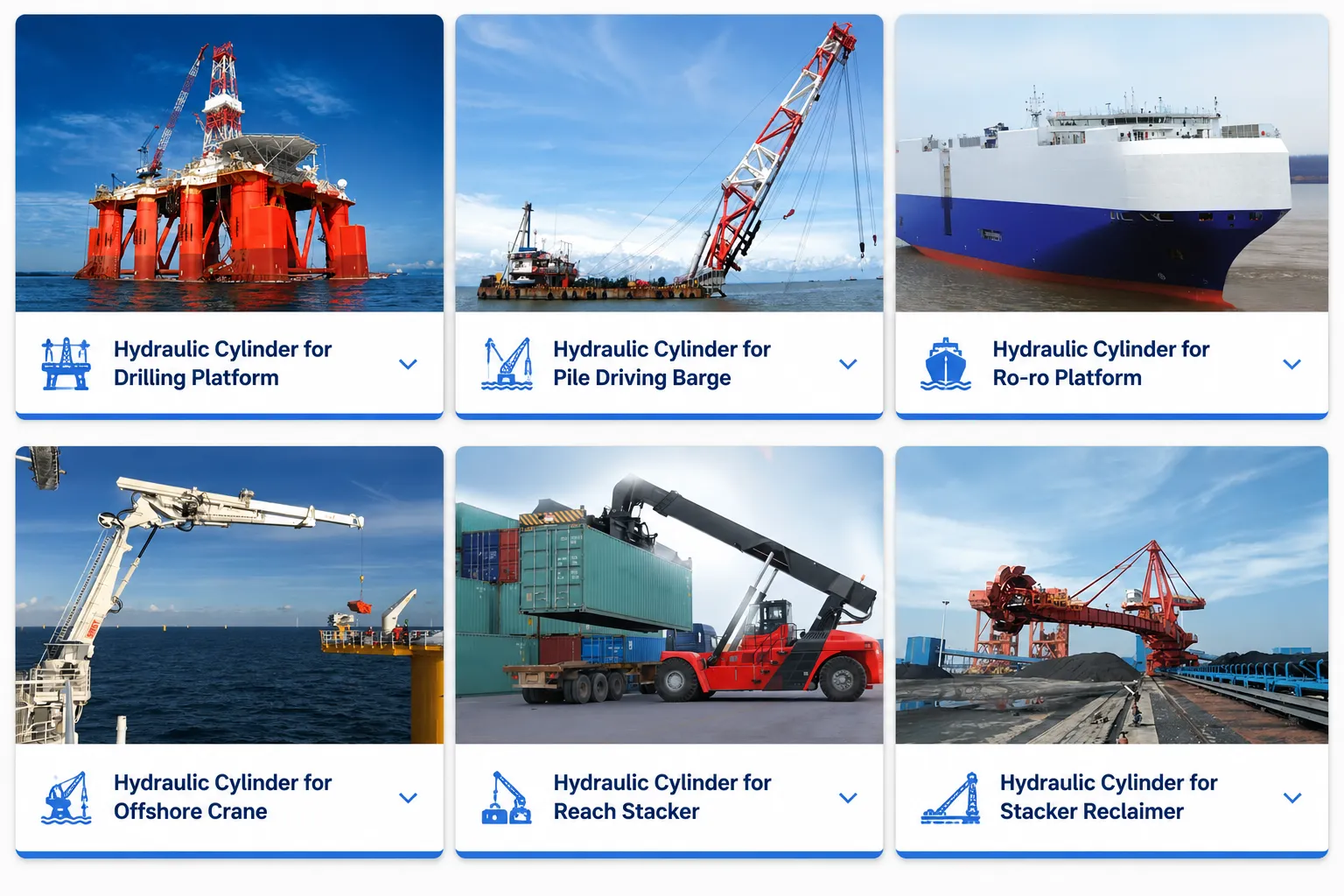
Split hopper barges — and the split cylinders that power them — serve the global dredging and marine construction industry across a wide range of projects and environments:
️ Capital Dredging
New port construction, navigation channel deepening, and waterway widening. Split barges transport excavated seabed material to offshore disposal sites — often 20–80 km from the dredging location.
️ Coastal Protection
Beach nourishment and shoreline restoration projects. The barge delivers sand to nearshore placement areas, where the split discharge deposits material precisely at the designated coordinates.
Environmental Remediation
Removal and safe disposal of contaminated sediments from harbours, rivers, and industrial waterways. The controlled split discharge allows precise placement of contaminated material in capped underwater disposal cells.
Split Cylinder vs Standard Marine Hydraulic Cylinder
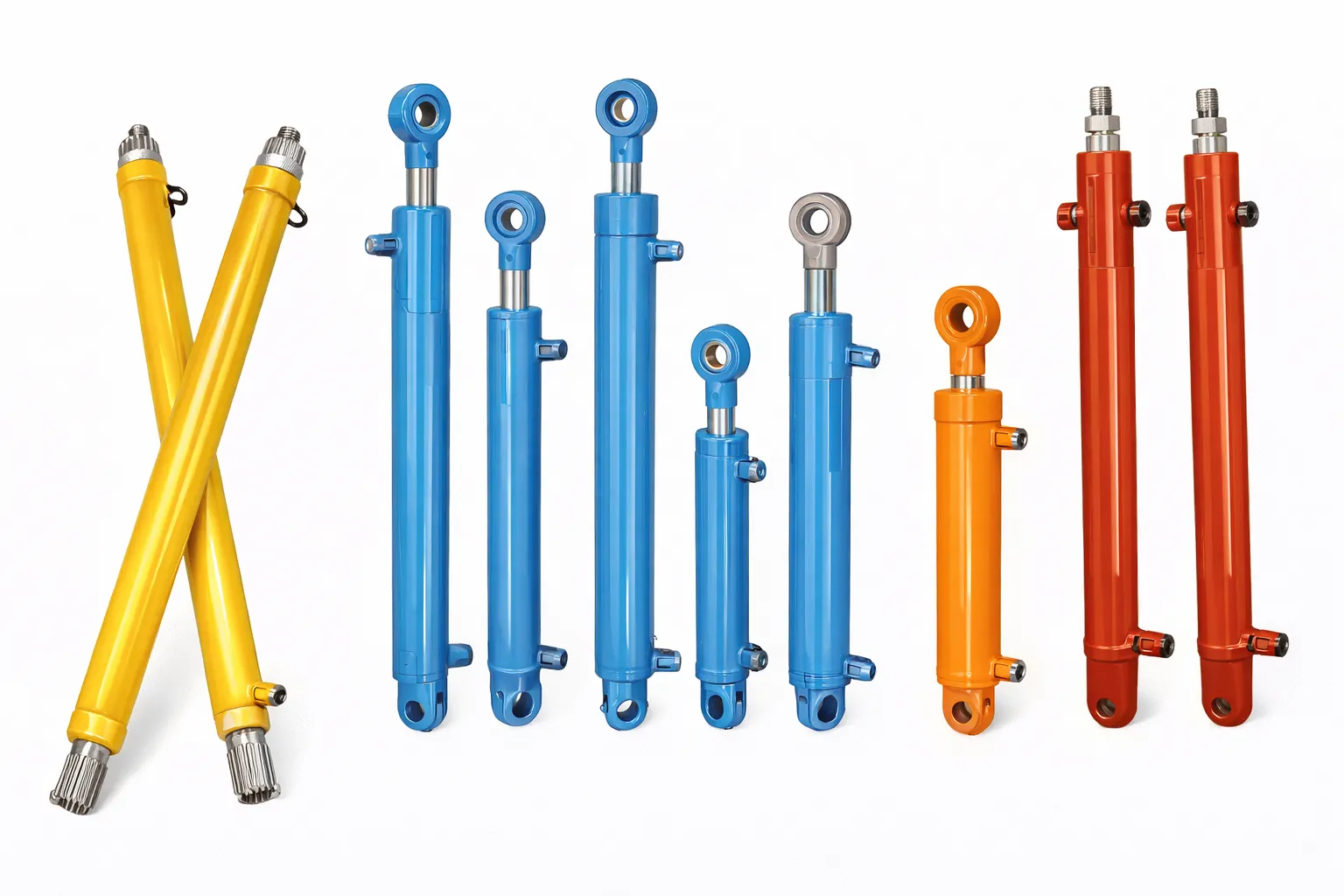
A split barge split cylinder is not a standard industrial hydraulic cylinder in a marine housing. It is purpose-engineered for the extreme demands of hull-splitting operations:
| Feature | Standard Marine | Split Barge Cylinder |
|---|---|---|
| Pull force | Up to 2,000 KN | Up to 6,000 KN |
| Load-holding valves | External (optional) | Integrated (mandatory) |
| Waterproof design | Splash-rated | Immersion-rated |
| Guide sleeve corrosion | Standard coating | Special anti-corrosion |
| FEA fatigue analysis | Not typical | Standard (20+ year life) |
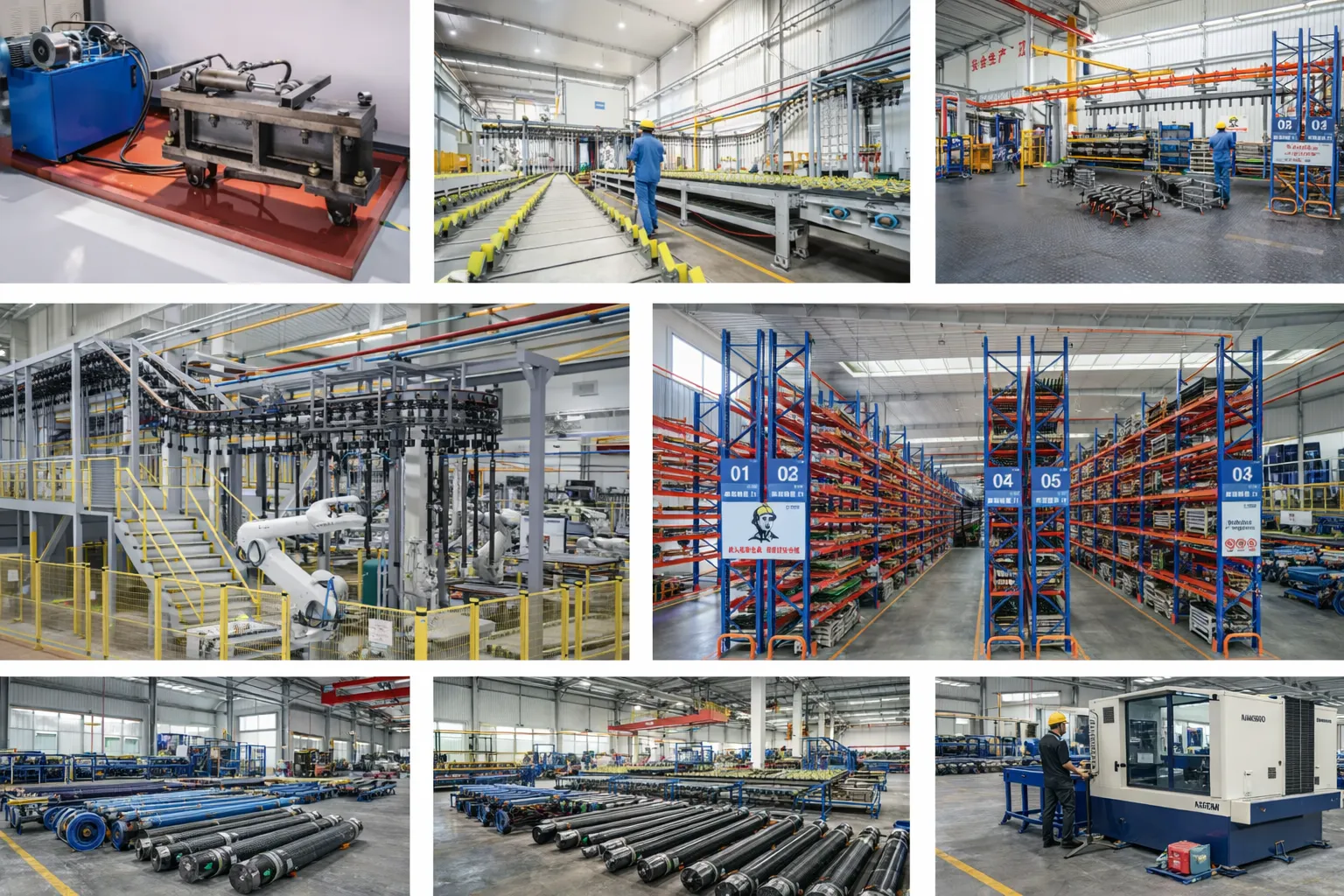
Custom Split Barge Cylinder OEM & ODM
Split Barge Split Cylinder FAQ
What Our Customers Say
"We ordered 10 split barge split cylinders for our 3,500 m³ hopper barge refit. The laser-clad rods are a significant upgrade over the original hard chrome — after 8 months of North Sea operation, zero visible pitting. Delivery was on schedule despite the large bore (480 mm)."
M. de Vries — Fleet Technical Manager, Netherlands
"The integrated load-holding valves eliminated four external hose connections per cylinder — that's 40 fewer potential leak points across our 10-cylinder barge. Maintenance crew noticed immediately."
Capt. J. Santos — Operations Director, Brazil
"Good quality split cylinders at a competitive price point. We use these on two 2,000 m³ barges in the Persian Gulf — the high-temperature seals (rated +100 °C) handle the 50 °C engine room temperatures without issue. One cylinder developed a minor weep at the rod seal after 14 months; warranty replacement was shipped within 3 weeks."
K. Al-Rashidi — Procurement Engineer, Kuwait
"We reverse-engineered replacement cylinders for a 25-year-old barge where the original manufacturer no longer exists. Korea Ever-Power matched the mounting dimensions from our worn originals and upgraded the seals and surface treatment. The new cylinders split faster and hold tighter than the originals ever did."
T. Lindqvist — Marine Superintendent, Sweden
"Third order from this factory — split cylinders for two new-build 5,000 m³ barges. BV documentation was handled well. The FEA reports gave our classification surveyor confidence in the design. We've standardised on Korea Ever-Power for all our barge hydraulic cylinder replacements."
R. Chen — Chief Engineer, Singapore-based dredging fleet
Related Hydraulic Cylinder Categories
Informations complémentaires
| Editor |
|---|
Produits similaires
-
Trailing Suction Dredger Heave Compensation Cylinder
-
Trailing Suction Dredger Mud Door Cylinder
-

Trailing Suction Dredger Overflow Cylinder
-

Offshore Crane A Type Mast Crane Luffing Cylinder
-
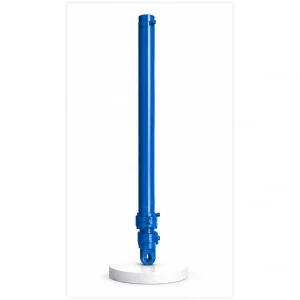
Cutter Suction Dredger Inverted Pile Cylinder
-
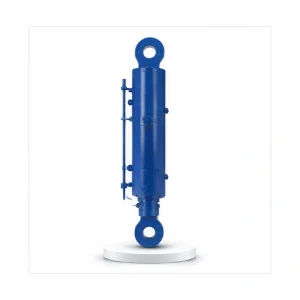
Jack-up Offshore Platform Lifting Cylinder
-
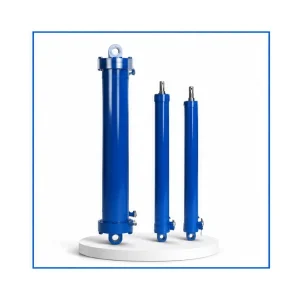
Drilling Platform Steel Wire Rope Tensioner Cylinder
-
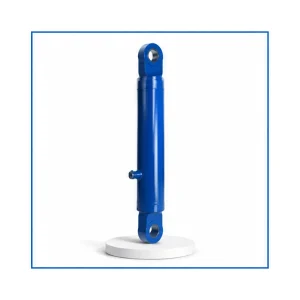
Jack-up Offshore Platform Bolt Cylinder