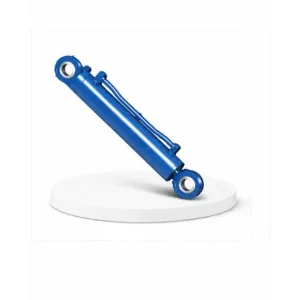
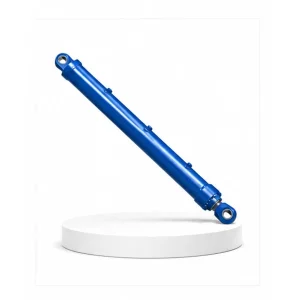
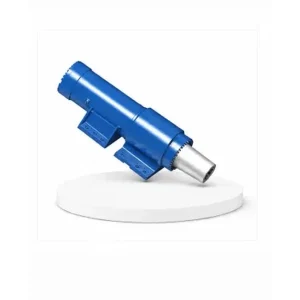
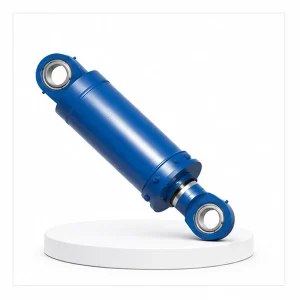
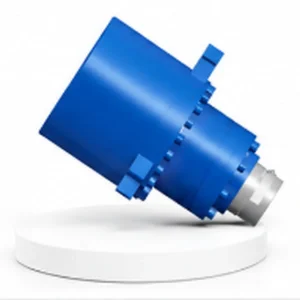
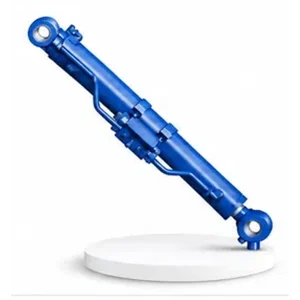
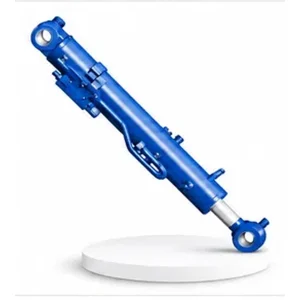
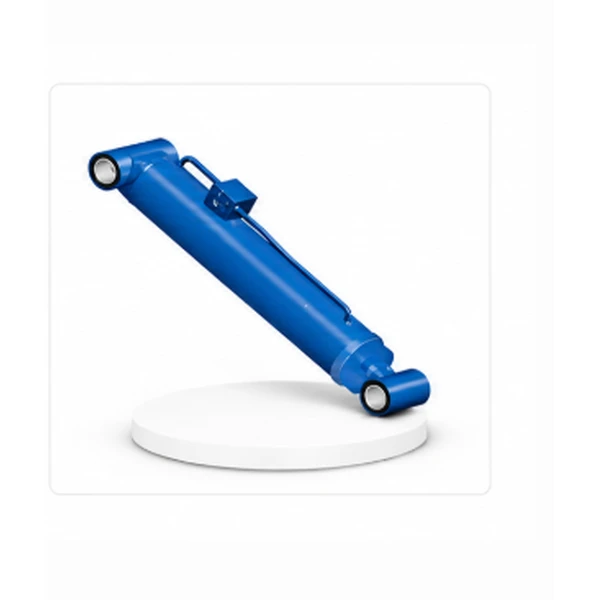
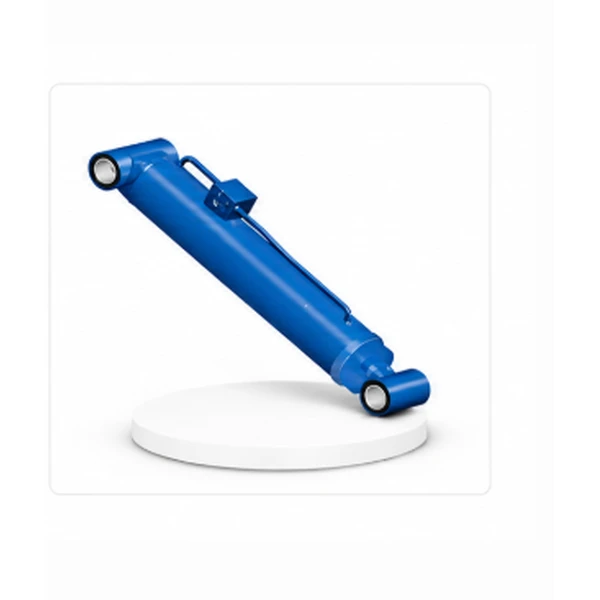
Aerial Work Platform Outrigger Cylinder

Interlock — The Boom Cannot Move Until the Outriggers Confirm
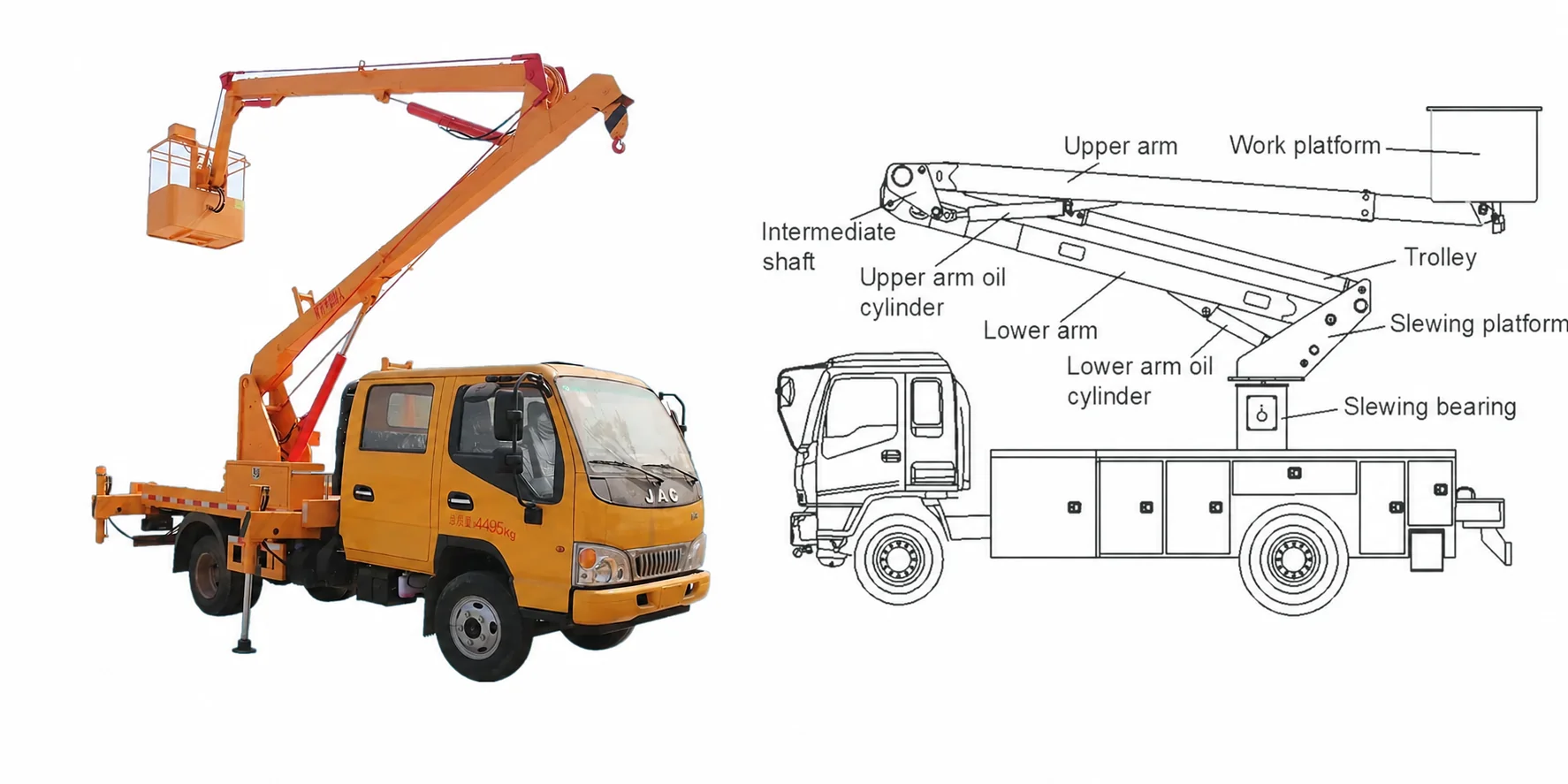
On a mobile crane, the operator can choose to work with partial outrigger extension at reduced capacity — the load chart has columns for different outrigger configurations. On an aerial work platform, the safety standard does not permit this. EN 280 and ANSI A92 require that all outriggers are fully deployed, ground contact is confirmed (typically by a pressure switch or proximity sensor on each outrigger cylinder), and the chassis is level (within 1–3° of horizontal) before the boom control circuit is energised.
The outrigger cylinder's position sensor (or pressure switch) provides the confirmation signal to the platform's interlock system. If any outrigger is not fully deployed, or if any outrigger loses ground contact during operation (indicating ground settlement), the interlock disables boom motion — the platform freezes in position until the operator returns the outrigger condition to the safe state.
Korea Ever-Power manufactures the outrigger cylinder with integrated sensor provisions as the third of seven aerial work platform hydraulic cylinders.
Technical Specifications
| Parameter | Specification |
|---|---|
| Product | Aerial Work Platform Outrigger Cylinder |
| Function | Support the weight of the platform and level the chassis |
| Bore Diameter | 45 mm – 200 mm |
| Rod Diameter | 30 mm – 180 mm |
| Stroke | ≤ 2,000 mm |
| Max Pressure | 30 MPa |
| Application | Aerial Work Platform (boom lift, truck-mount, spider lift) |
| Certification | ISO 9001 · EN 280 / ANSI A92 compatible · sensor-ready |
Auto-Level — The Outrigger Cylinder Levels the Chassis Automatically
Many modern aerial platforms include automatic levelling — the platform's control system reads the chassis inclinometer and individually adjusts each outrigger cylinder to bring the chassis to within ±0.5° of horizontal. The operator presses one button, and the system extends all four outriggers, senses ground contact, then fine-adjusts each leg independently until the chassis is level.
Auto-levelling requires the outrigger cylinder to respond to small, precise valve commands — extending 1–5 mm at a time to fine-tune the chassis angle. This demands low breakaway friction (the cylinder must start moving at minimal valve opening) and smooth proportional response (the extension speed must be proportional to the valve opening, without stick-slip).
When the outrigger pad touches the ground, the cylinder pressure rises (the pad pushes against the ground, and the ground pushes back). A pressure switch on the cylinder port detects this rise and sends a "ground contact confirmed" signal to the interlock system. Alternatively, a proximity sensor detects the position of the pad. Korea Ever-Power machines the pressure switch port and/or sensor mounting provisions directly into the cylinder barrel. Contact Korea Ever-Power for outrigger sensor integration.
Manufacturing Process
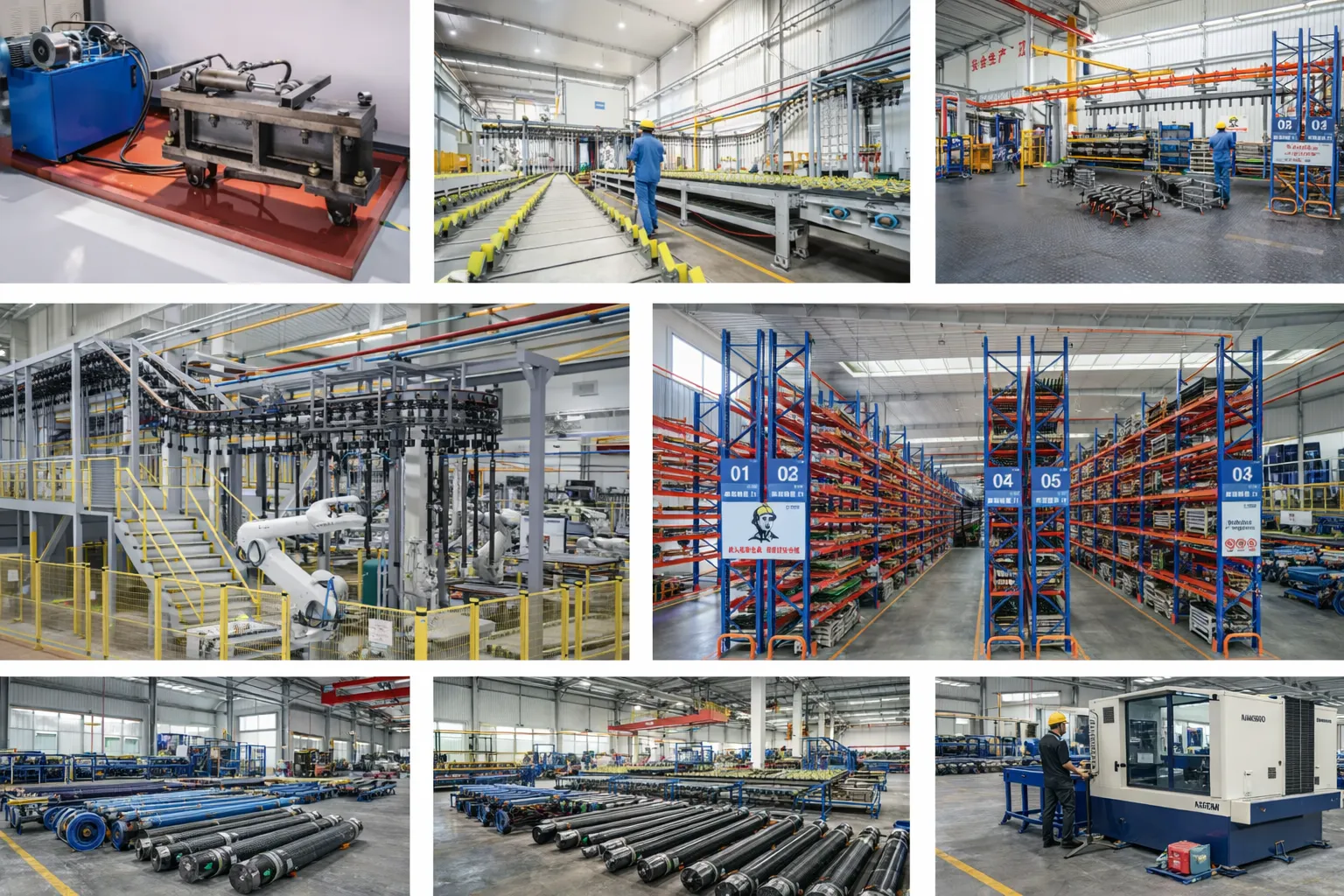
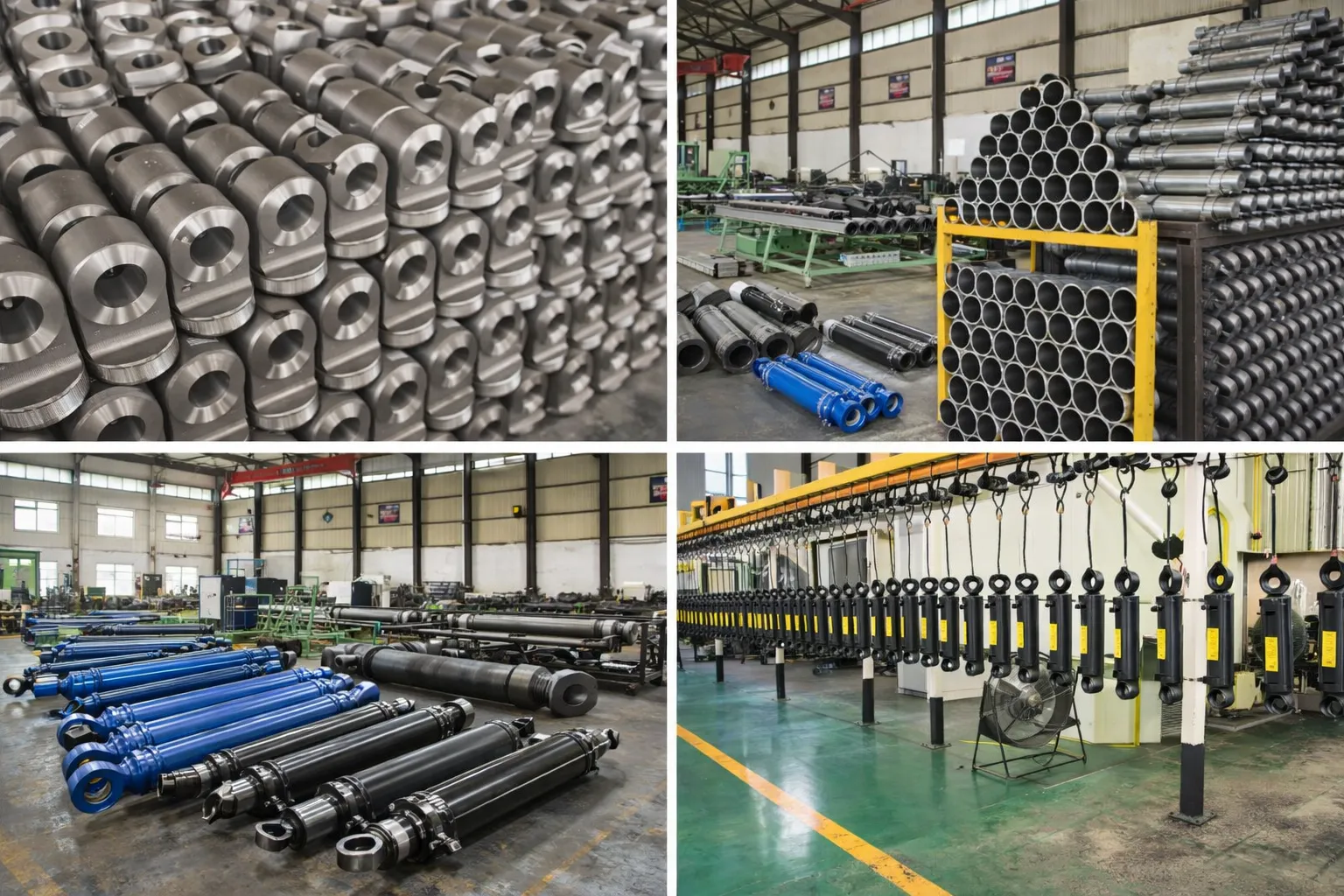
Bore (45–200 mm) honed to Ra 0.2–0.4 µm. Chrome 50–80 µm. The cylinder barrel includes a machined port boss for the pressure switch (or proximity sensor) — positioned to detect ground contact at the specified pad force. Load-holding pilot-check valve mounting provisions are machined on the barrel — the valve mounts directly on the cylinder with no intermediate hose.
Seals rated -30 °C to +80 °C, polyurethane + NBR + double-lip wiper. Hydrostatic tested at 45 MPa (1.5×). Load-holding tested (zero drift under rated load). Auto-level response tested — verifying that the cylinder responds proportionally to small valve openings (1–5 mm extension increments) without stick-slip.
OEM & ODM
FAQ
Related Categories
Additional information
| Editor |
|---|