Hydraulic Press Master Cylinder
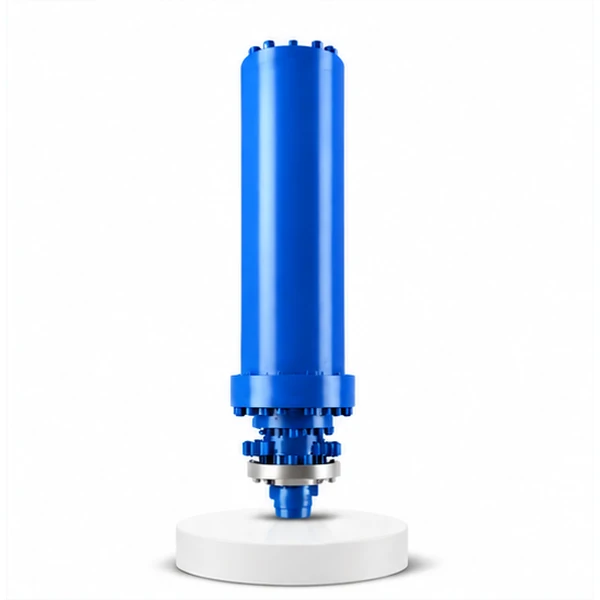
Master Cylinder
Hydraulic Press Master Cylinder
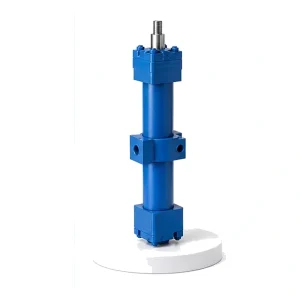
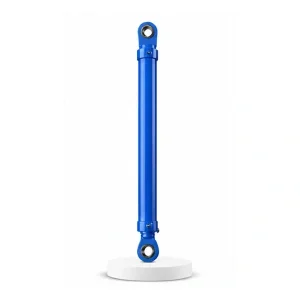
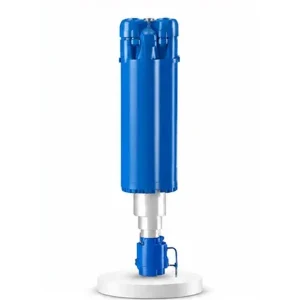
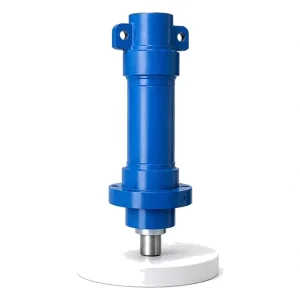
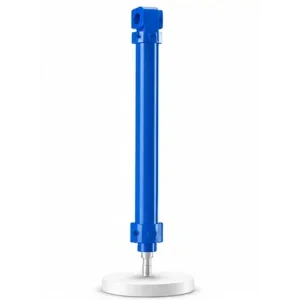
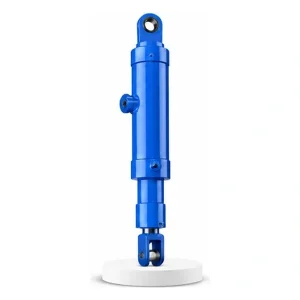
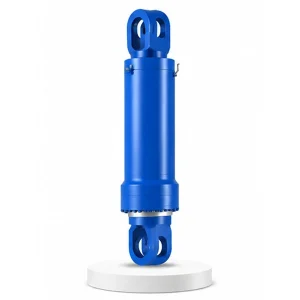
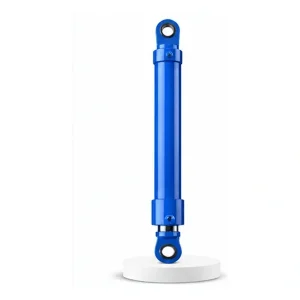
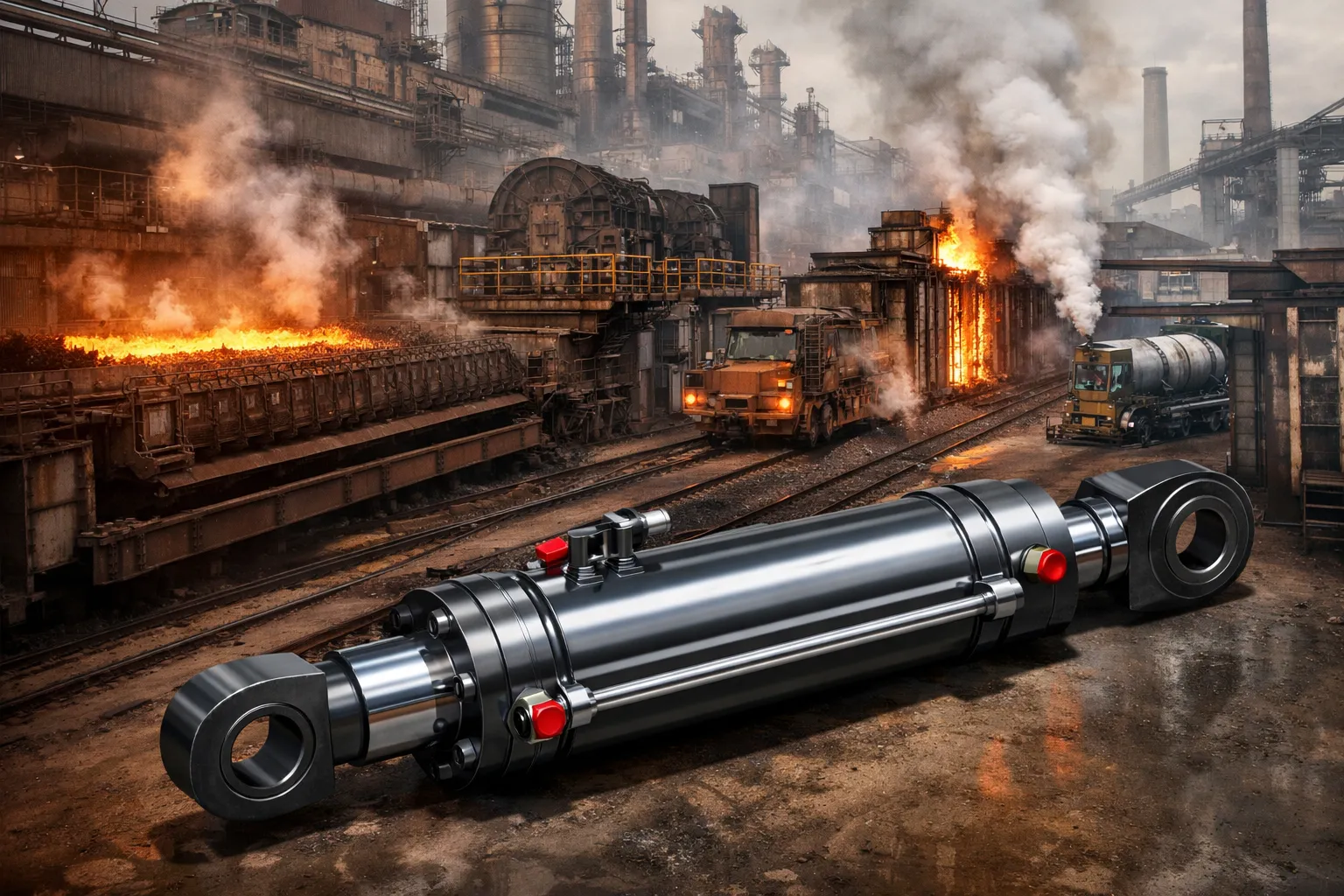
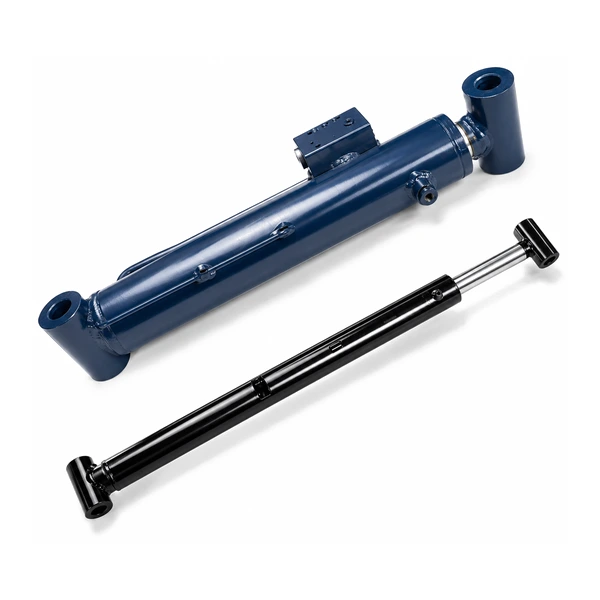
The master cylinder is the primary force-generating actuator at the heart of every hydraulic press — converting pump pressure into the massive linear thrust that drives the ram downward to forge, stamp, extrude, or form the workpiece. Plunger diameters from 500 mm to 1,800 mm. Thrust forces up to 80 MN.
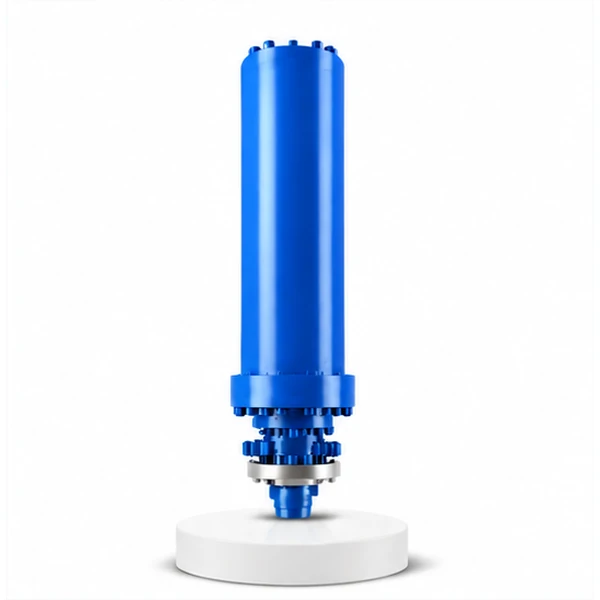
The hydraulic press master cylinder sits at the structural and functional centre of every hydraulic press. When the pump delivers high-pressure fluid into the cylinder bore, it acts on the plunger's cross-sectional area to generate enormous linear force — sufficient to forge steel ingots, stamp automotive body panels, extrude aluminium profiles, and compact powder metallurgy components. Korea Ever-Power manufactures master cylinders across the full industrial press range — from compact 10 MN laboratory presses to 80 MN free-forging presses — as part of our industrial engineering hydraulic cylinder programme.
Technical Specifications
| Parameter | Value |
|---|---|
| Product | Hydraulic Press Master Cylinder |
| Function | Provide the main thrust for the press |
| Plunger Diameter | 500 mm – 1,800 mm |
| Stroke | ≤ 4,500 mm |
| Maximum Thrust Force | 80 MN (plunger 1800 mm / pressure 31.5 MPa) |
| Working Pressure | Up to 31.5 MPa |
| Application | Hydraulic press (forging, stamping, forming, extrusion) |
| Certification | ISO 9001 · 100% hydrostatic pressure tested |
How the Master Cylinder Works
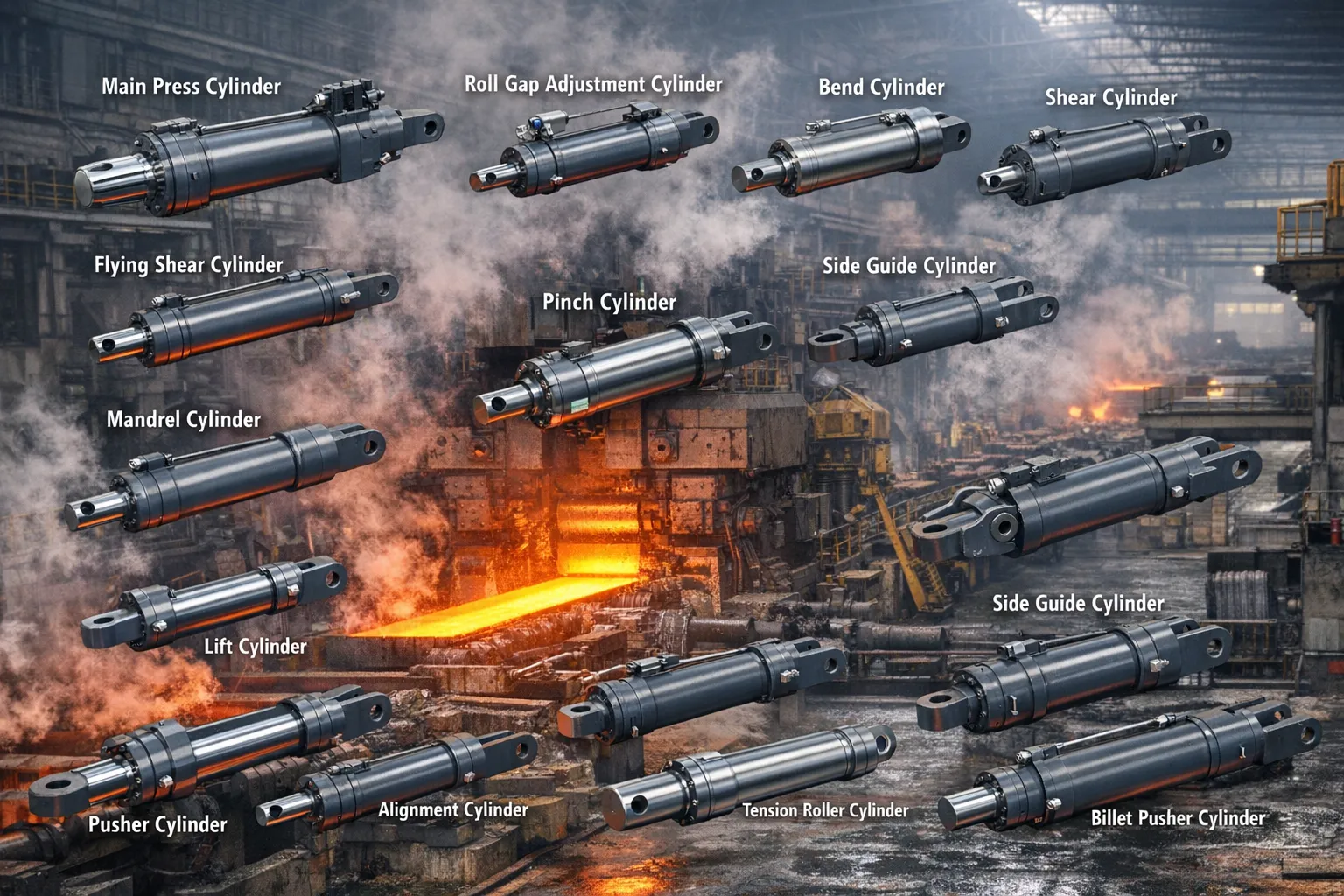
The master cylinder operates on Pascal's law: pressure applied to a confined fluid is transmitted equally in all directions. The hydraulic pump forces fluid into the master cylinder bore at pressures up to 31.5 MPa. This pressure acts on the plunger's full cross-sectional area — and because the plunger can be up to 1,800 mm in diameter (an area of approximately 2.54 m²), the resulting linear force reaches 80 MN (approximately 8,000 tonnes-force).
The plunger extends downward through the stroke length (up to 4,500 mm), pushing the press ram against the workpiece. The stroke speed is controlled by the pump's volumetric flow rate — higher flow means faster press approach speed, lower flow means more precise control during the forming phase. This variable speed capability is a fundamental advantage of hydraulic presses over mechanical presses, which operate at a fixed stroke profile.
The master cylinder's bore surface is honed to a mirror finish (typically Ra 0.2–0.4 µm) to ensure consistent seal contact and leak-free operation at the extreme pressures involved. The plunger is hard-chrome plated and ground to matching surface finish — creating a precision-fitted pair that seals reliably under full working pressure across the entire stroke.
Engineering Advantages
Up to 80 MN thrust — sufficient for free-forging presses processing heavy steel ingots, aerospace alloy billets, and large-diameter ring blanks. The large plunger diameter distributes hydraulic force evenly across the press ram face.
Variable speed throughout the stroke — fast approach, slow forming, dwell at bottom dead centre, controlled return. This multi-phase profile is essential for precision forging and isothermal forming processes.
Strokes up to 4,500 mm accommodate deep drawing, extrusion, and multi-stage pressing operations where the ram must travel a significant distance to complete the forming cycle.
Unlike mechanical presses, the hydraulic master cylinder cannot exceed the set system pressure — the relief valve limits maximum force regardless of workpiece resistance. This prevents structural damage to the press frame, dies, and cylinder.
The master cylinder can hold full pressure at any stroke position — indefinitely if needed. Critical for powder compaction, composite moulding, and isothermal forging where the workpiece must remain under pressure for a defined time at temperature.
Seals are designed for in-situ replacement without removing the cylinder from the press frame — reducing maintenance downtime from days to hours. Korea Ever-Power supplies matched seal kits for every master cylinder configuration.
Application Scenarios
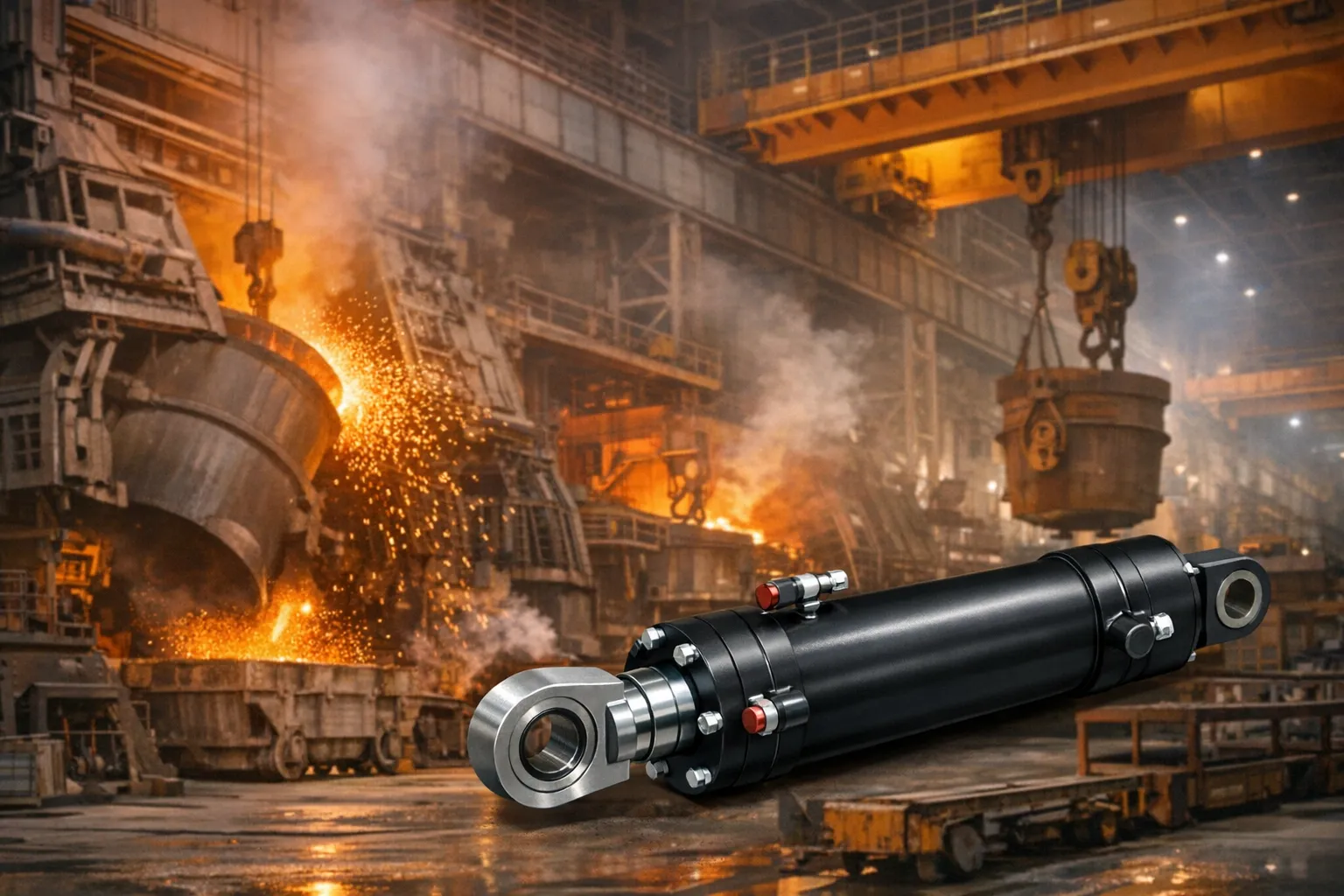
The hydraulic press master cylinder is the core actuator across the broadest range of industrial metal forming equipment. Korea Ever-Power supplies master cylinders to press builders serving multiple industries — each with specific force, speed, and precision requirements matched to the forming process.
Free-forging presses (10–80 MN) — open-die forging of steel ingots, shafts, rings, and blocks. The master cylinder provides the full press tonnage for upsetting, drawing-out, and punching operations on workpieces that can weigh tens of tonnes.
Die-forging presses (16–65 MN) — closed-die forging of automotive crankshafts, connecting rods, gears, and aerospace structural forgings. The master cylinder must deliver precise force control for consistent die fill and dimensional accuracy.
Extrusion presses — aluminium, copper, and steel profile extrusion. The master cylinder provides steady, sustained pressure throughout the long extrusion stroke to maintain constant material flow through the die orifice.
Sheet metal stamping and deep drawing — automotive body panels, appliance housings, pressure vessel heads. The master cylinder's variable speed profile prevents material tearing during deep draws by reducing ram speed as the material approaches its forming limit.
Engineering Insight — Force Calculation
The thrust force of a hydraulic press master cylinder is calculated from the plunger area and system pressure: F = P × A, where F is force (N), P is pressure (Pa), and A is plunger cross-sectional area (m²). For the maximum configuration — a 1,800 mm plunger at 31.5 MPa:
This illustrates why plunger diameter is the most impactful parameter — doubling the plunger diameter quadruples the force at the same pressure. When specifying a master cylinder, define the required force first, then work backward to the plunger diameter at your available system pressure. Korea Ever-Power's engineering team performs this calculation and optimises the plunger-to-pressure ratio for each application. Contact the hydraulic cylinder engineering team for custom force calculations.
Manufacturing Process
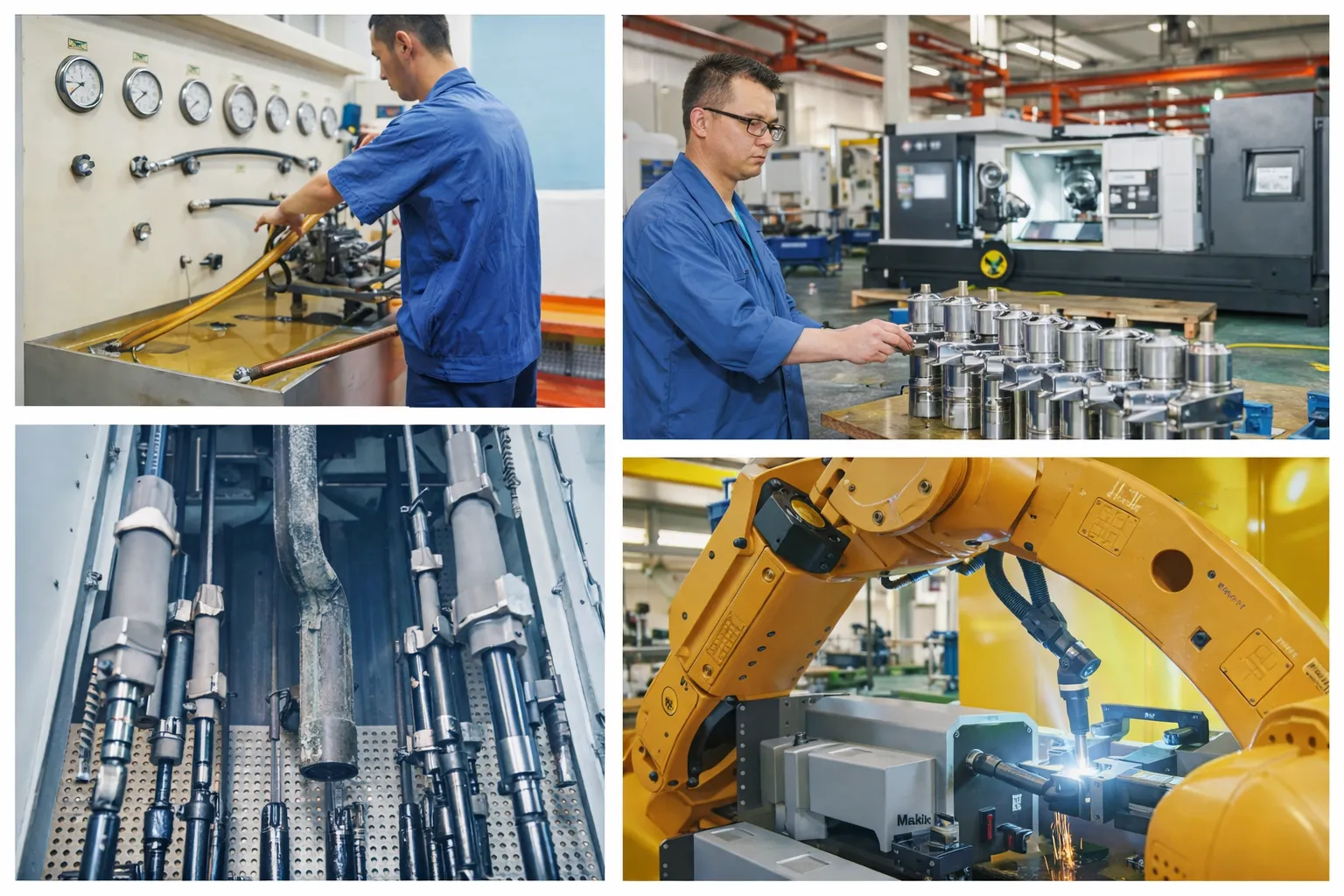
Master cylinders at the 500–1,800 mm plunger scale require specialised heavy machining capability: large-bore deep-hole boring machines for the cylinder barrel, heavy-duty CNC lathes for the plunger and end caps, and precision honing equipment to achieve the Ra 0.2–0.4 µm bore finish required for high-pressure sealing. Korea Ever-Power's manufacturing facility includes bore-honing capacity up to 2,000 mm diameter and deep-hole boring to 6,000 mm depth — covering the full master cylinder range. Every cylinder undergoes 100% hydrostatic proof testing at 1.5× working pressure before shipment, with individual test certificates traceable by serial number. Mill certificates for the forged steel barrel and plunger materials are available on request for customers with full material traceability requirements.
OEM & ODM — Custom Master Cylinder Manufacturing
Frequently Asked Questions
Related Hydraulic Cylinder Categories
Informazioni aggiuntive
| Editor |
|---|