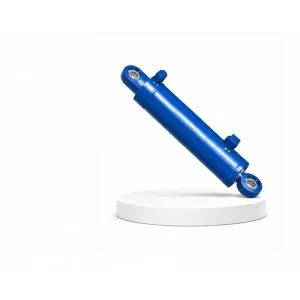
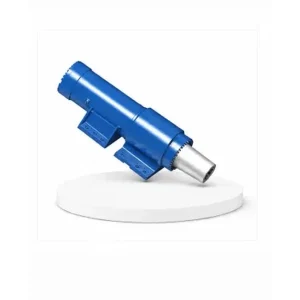
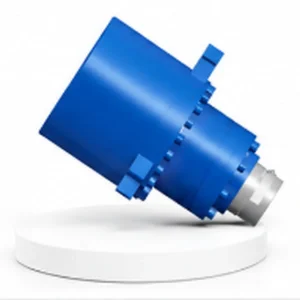
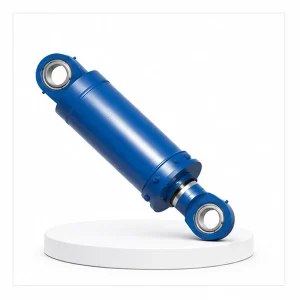
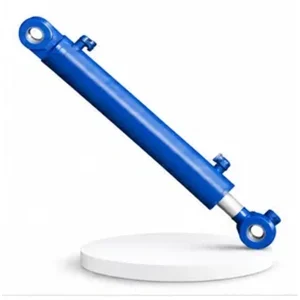
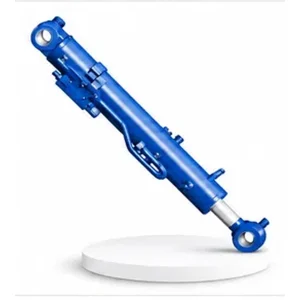
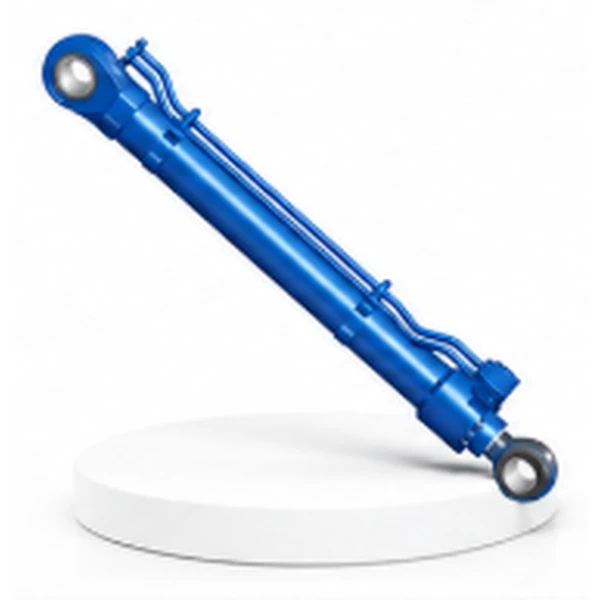
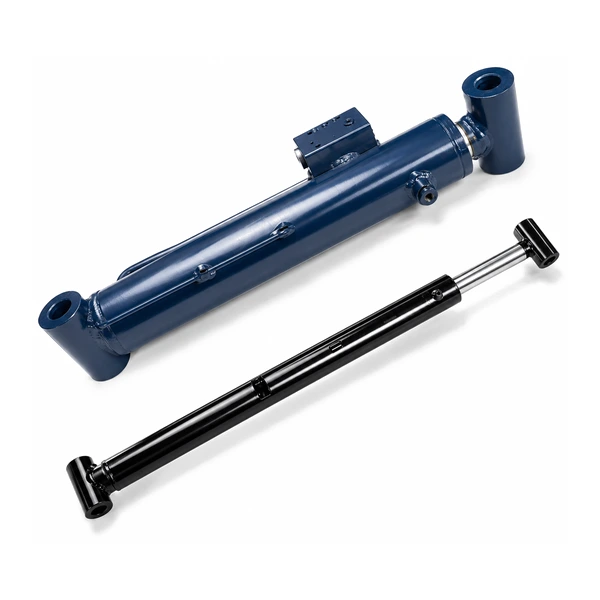
Large Excavator Stick Cylinder (Arm Cylinder)
Arm Breakout Force — The Metric Mining Companies Buy Excavators By
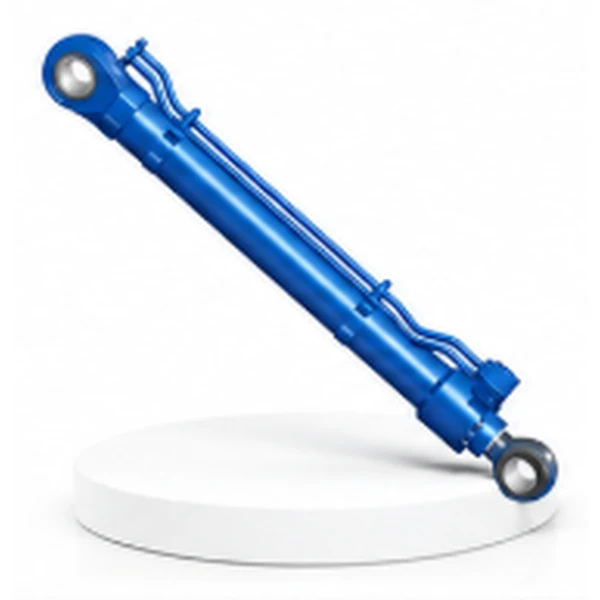
When a mining company selects a 100-tonne excavator, the first specification they compare is "arm breakout force" — the maximum digging force the stick cylinder produces during retraction (pulling the bucket toward the machine through the material). This force determines how hard the excavator can dig: harder material requires more breakout force. An excavator with insufficient arm breakout stalls in the digging face, loses productivity, and extends the loading cycle time.
The arm breakout force is produced by the stick cylinder's annular piston area (bore² − rod²) × system pressure. With a 360 mm bore and 260 mm rod, the annular area is approximately 48,380 mm² — producing about 1,693 KN of retraction force at 35 MPa. The linkage geometry multiplies this into a bucket-tip force that appears as "arm breakout force" in the excavator's specification sheet.
Korea Ever-Power optimises the rod-to-bore ratio for each excavator model to maximise arm breakout force while maintaining adequate crowd force (extension) and retraction speed. Browse the large excavator hydraulic cylinder range.
Technical Specifications
| Parameter | Specification |
|---|---|
| Product | Large Excavator Stick Cylinder (Arm Cylinder) |
| Function | Control the movement of the forearm (reach / retract / dig) |
| Bore Diameter | 210 mm – 360 mm |
| Rod Diameter | 145 mm – 260 mm |
| Stroke | ≤ 2,600 mm |
| Max Thrust | 3,560.8 KN (bore 360 mm / 35 MPa) |
| Application | Large Excavator (20–100+ tonne class) |
| Certification | ISO 9001 · 100% hydrostatic tested |
Cycle Time and Productivity — Where Seconds Equal Tonnes per Hour
On a mining excavator loading 200-tonne haul trucks, each digging cycle takes 15–25 seconds. A 1-second improvement in cycle time (achieved through faster stick retraction) adds 3–5 extra cycles per hour — an additional 15–35 tonnes of production per hour. Over a 6,000-hour annual operation, that is 90,000–210,000 additional tonnes moved per year. The stick cylinder's retraction speed — a function of flow rate, annular area, and seal friction — is a direct productivity lever.
A thicker rod increases extension force but decreases retraction speed (larger rod = smaller annular area = less flow per mm of retraction = slower retract). A thinner rod increases retraction speed but reduces extension force. Korea Ever-Power calculates the optimal rod diameter for each excavator model's specific digging profile — balancing arm breakout force against cycle time.
At 35 MPa and 360 mm bore, the seal friction force is significant — high-friction seals slow the retraction speed and waste hydraulic energy as heat. Korea Ever-Power specifies PTFE-bronze guide rings and low-friction polyurethane seals to minimise the parasitic drag. Contact Korea Ever-Power engineering for large excavator stick cylinder specifications.
Manufacturing Process
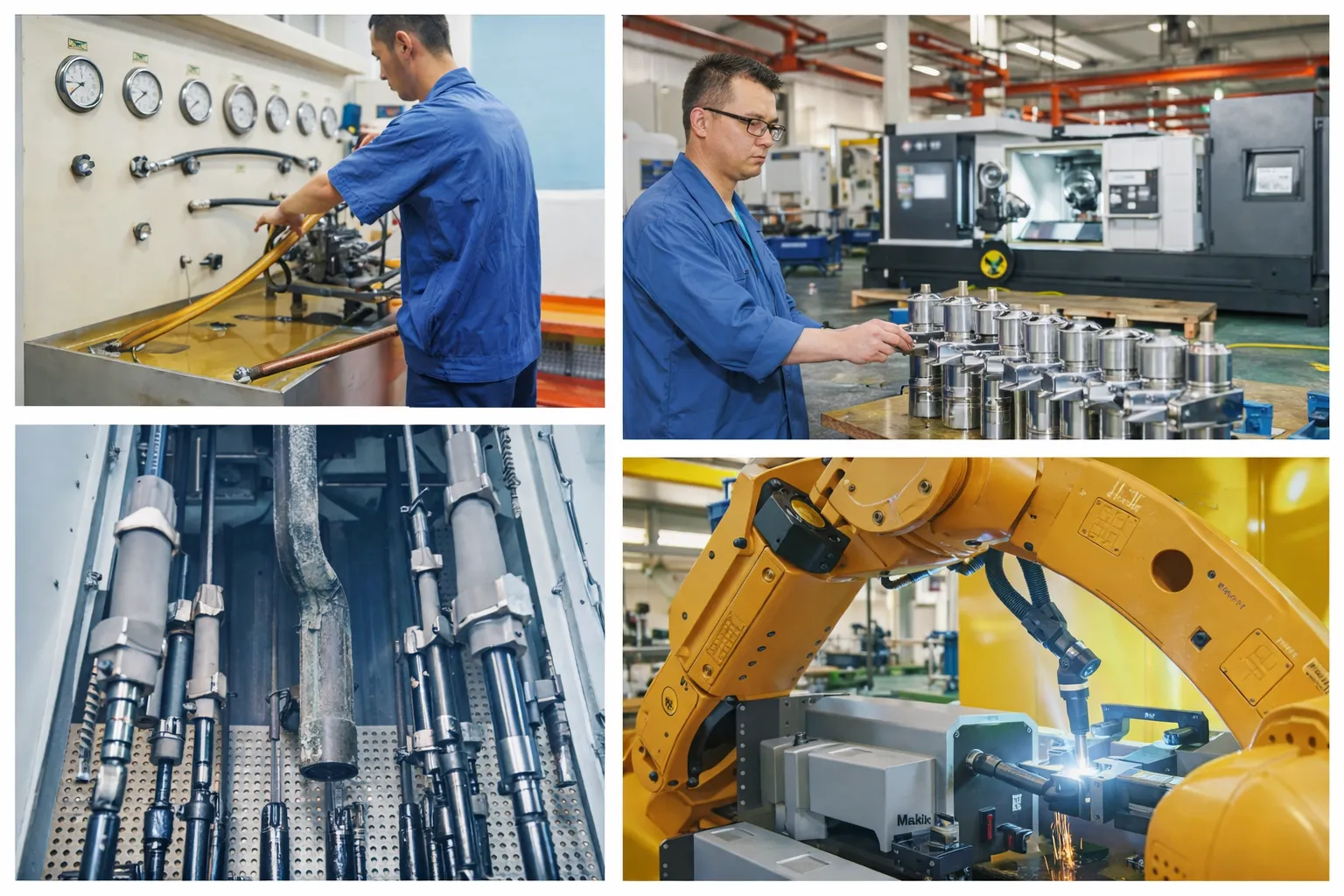
Bore (210–360 mm) deep-hole bored and honed to Ra 0.2–0.4 µm. Chrome 80 µm. Rod straightness ≤0.1 mm/metre over 2,600 mm. Forged rod eyes. The stick cylinder mounts at mid-height on the arm — partially protected from ground debris but exposed to rock fragments thrown by the bucket during digging. Barrel and rod surfaces are inspected for impact dents before assembly.
Seals are polyurethane + PTFE-bronze guides + quad-lip wipers, rated -40 °C to +100 °C for mining service. Every stick cylinder is hydrostatic tested at 52.5 MPa and full-stroke tested for smooth, low-friction retraction — verifying that breakaway friction is below the specified limit for the excavator OEM's cycle-time target.
OEM & ODM
FAQ
Related Categories
Informazioni aggiuntive
| Editor |
|---|