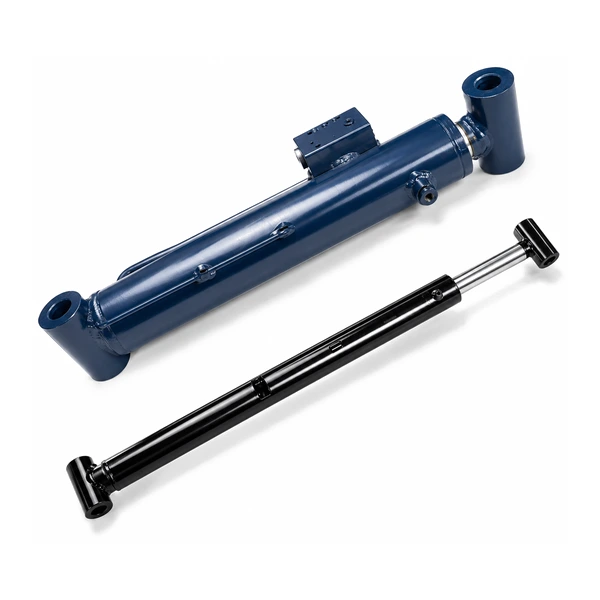
Small Excavator Bulldozing Cylinder
Four Jobs from One Blade — Grading, Backfilling, Stabilising, and Travelling
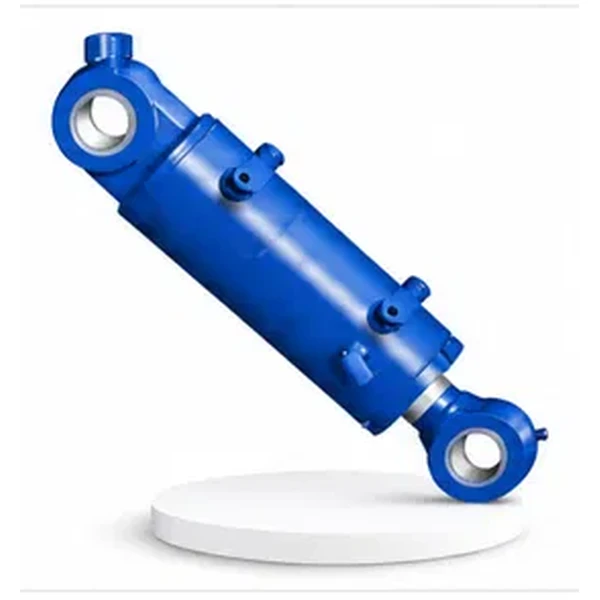
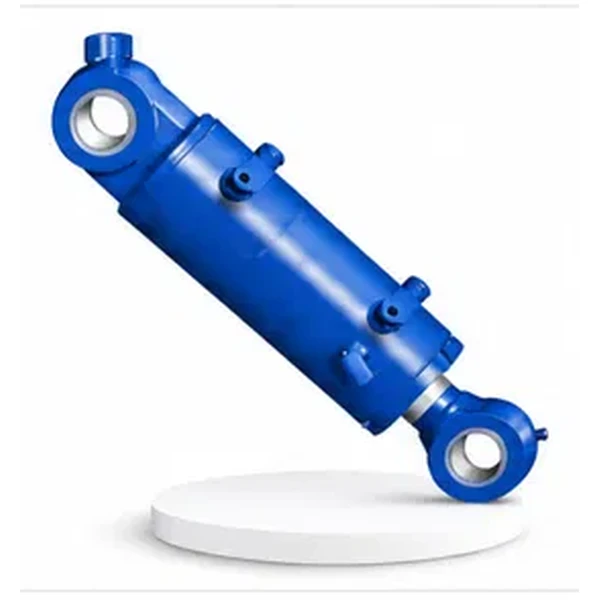
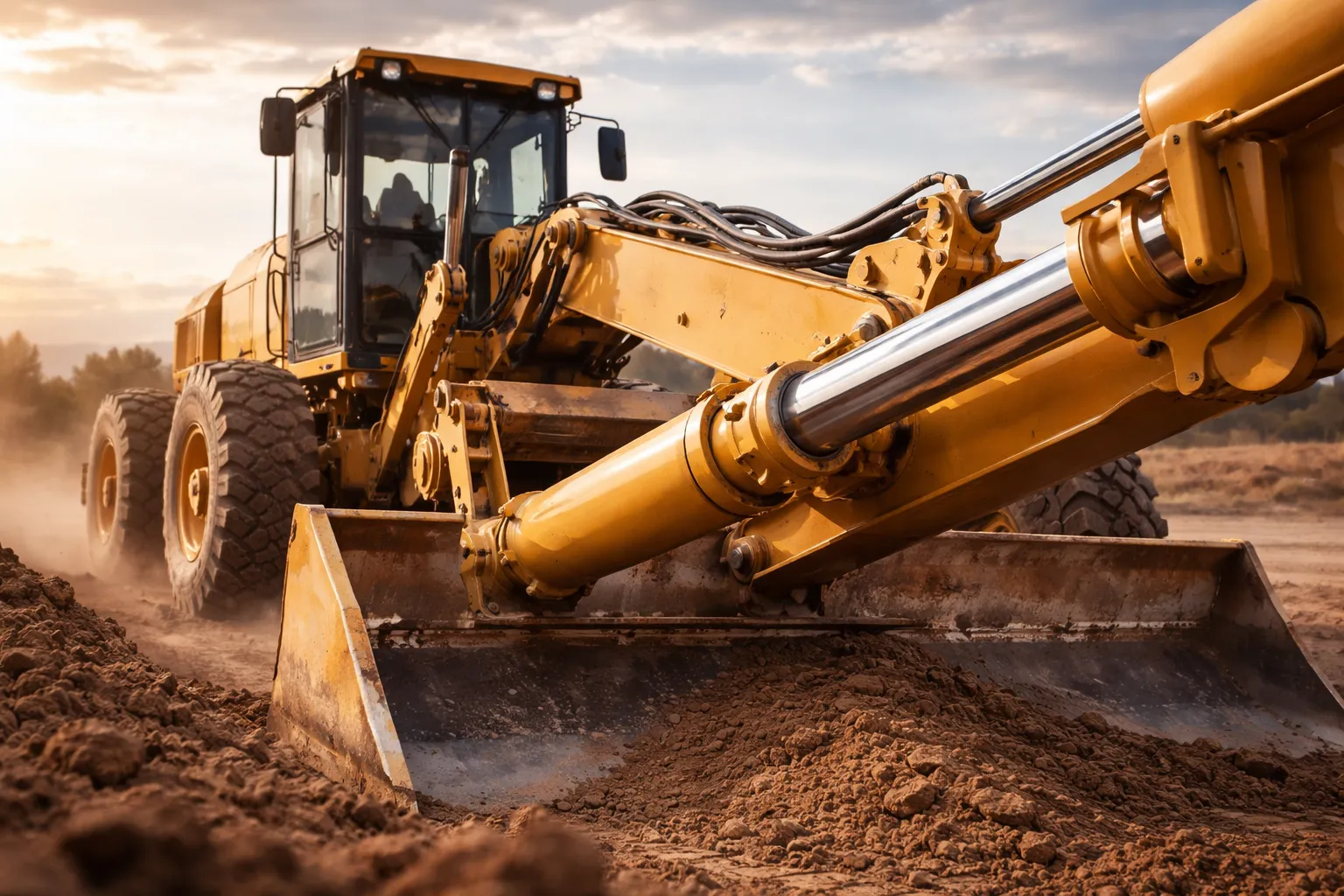
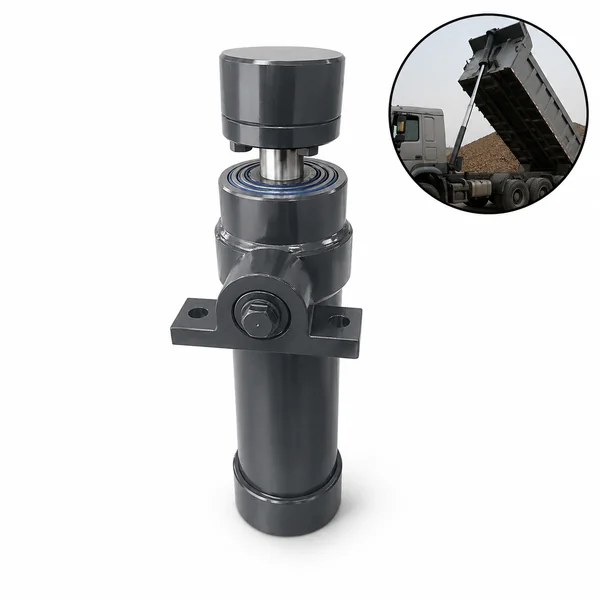
The dozer blade on a small excavator is not a bulldozer — it is a multi-purpose rear attachment that the bulldozing cylinder raises, lowers, and floats across the ground surface. Despite its small size, the blade serves four distinct functions that make the excavator self-sufficient on most job sites:
After the excavator digs a utility trench and the pipe is laid, the blade pushes the spoil pile back into the trench — eliminating the need for a separate backfilling machine. The cylinder holds the blade at a controlled depth, and the machine drives forward, pushing the soil ahead.
The blade in "float" mode (the cylinder is depressurised, allowing the blade to follow the ground contour under its own weight) can spread soil, gravel, or crushed stone to a rough grade — preparing a surface for a concrete slab or pavement base without bringing in a grader.
When digging at maximum reach, the blade is lowered to the ground behind the machine — acting as a third support point (with the two tracks) that prevents the excavator from tipping backward. The cylinder pushes the blade into the ground with the full 453 KN thrust, anchoring the machine.
The blade, when lowered against the ground, can lift the rear of the machine — tilting it enough to climb a transport trailer ramp without the steep approach angle that would ground-out the machine's undercarriage. The cylinder extends, the blade pushes, and the rear lifts.
Korea Ever-Power manufactures the bulldozing cylinder as the fourth of five small excavator hydraulic cylinders.
Technical Specifications
| Parameter | Specification |
|---|---|
| Product | Small Excavator Bulldozing Cylinder |
| Function | Control the action of the dozer blade (raise / lower / float) |
| Bore Diameter | 50 mm – 140 mm |
| Rod Diameter | 25 mm – 80 mm |
| Stroke | ≤ 250 mm (shortest in family) |
| Max Thrust | 453 KN (bore 140 mm / 29.4 MPa) — highest in family |
| Application | Small Excavator (1–10 tonne class) |
| Certification | ISO 9001 · 100% hydrostatic tested |
140 mm Bore — Why the Blade Cylinder Is Larger Than the Boom Cylinder
The boom cylinder (#3) has a 125 mm maximum bore and produces 361 KN. The bulldozing cylinder has a 140 mm bore and produces 453 KN — 25% more force. This seems counterintuitive: the blade is a small, simple attachment, while the boom lifts the entire arm assembly. The explanation lies in how each cylinder uses its force:
The boom cylinder lifts the arm assembly (500–3,000 kg). This is a gravitational load — the cylinder only needs to overcome weight × lever arm. The force requirement is moderate and predictable.
When backfilling or grading, the blade pushes the entire 5–10 tonne machine through compacted soil. The resistance is not just gravity — it is soil shear strength × blade width × cutting depth + track friction + inertia. This total resistance force can exceed the gravitational loads on the arm assembly by 20–50%. Contact the Korea Ever-Power engineering team for bulldozing force calculations.
Manufacturing Process
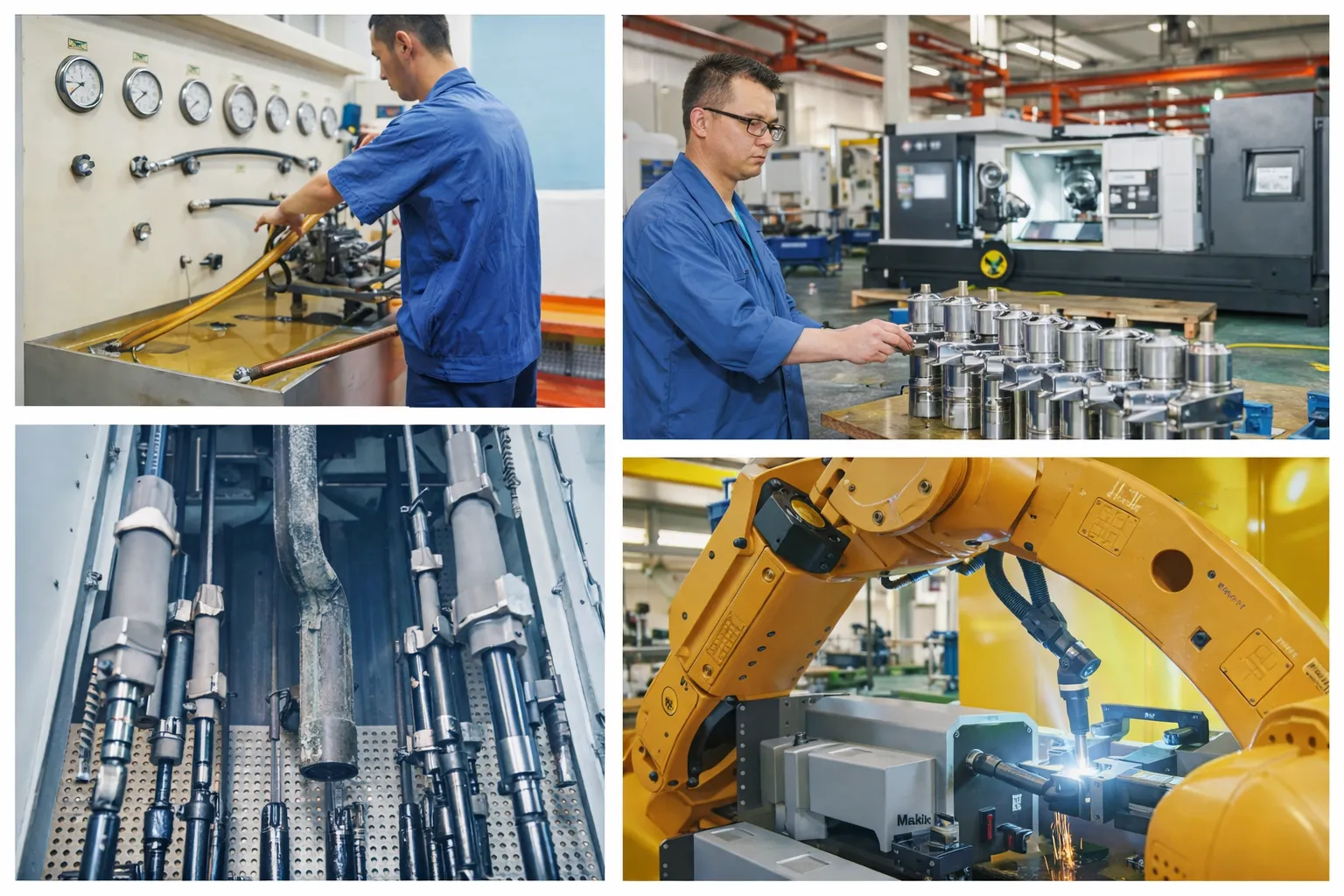
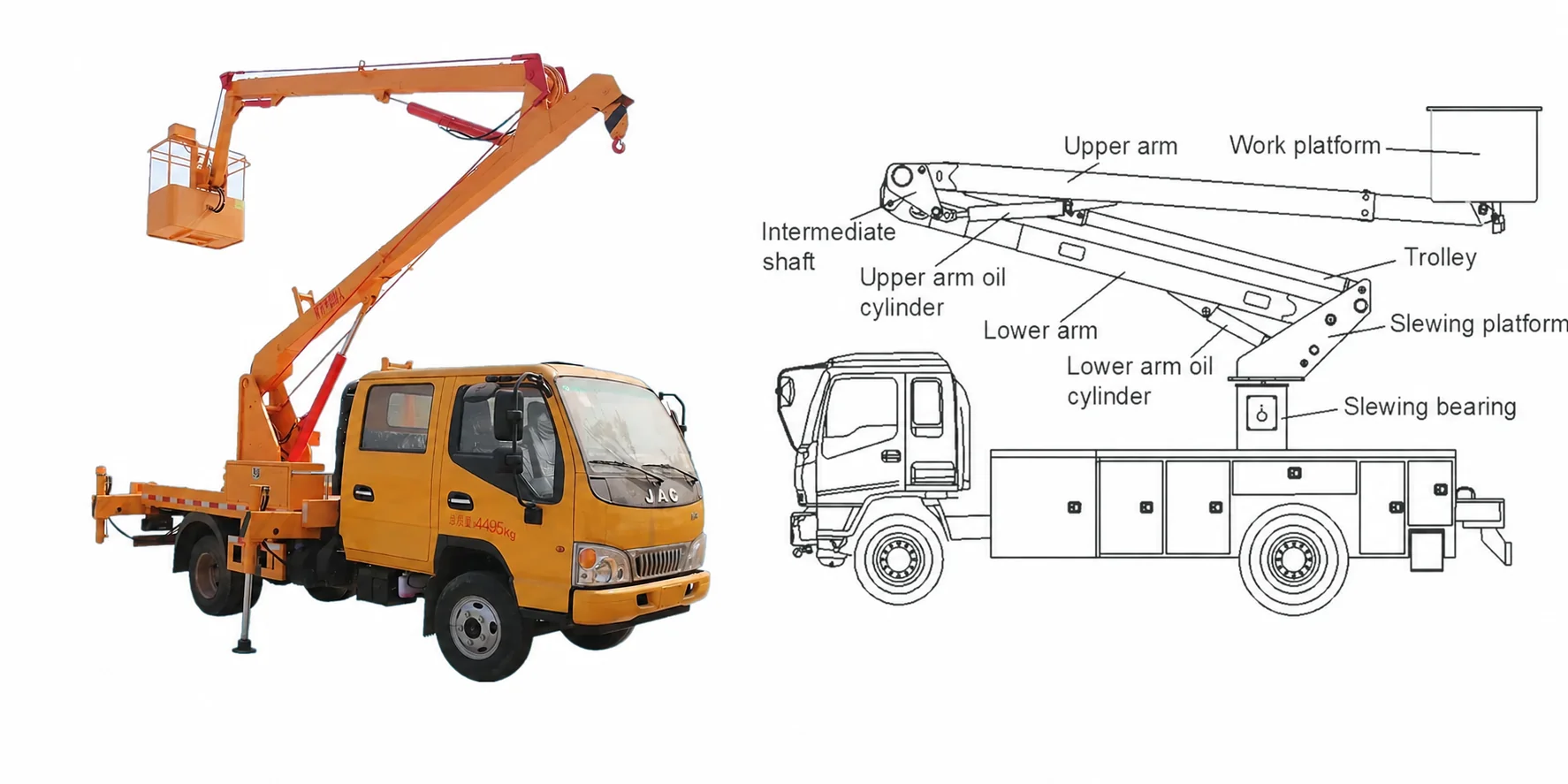
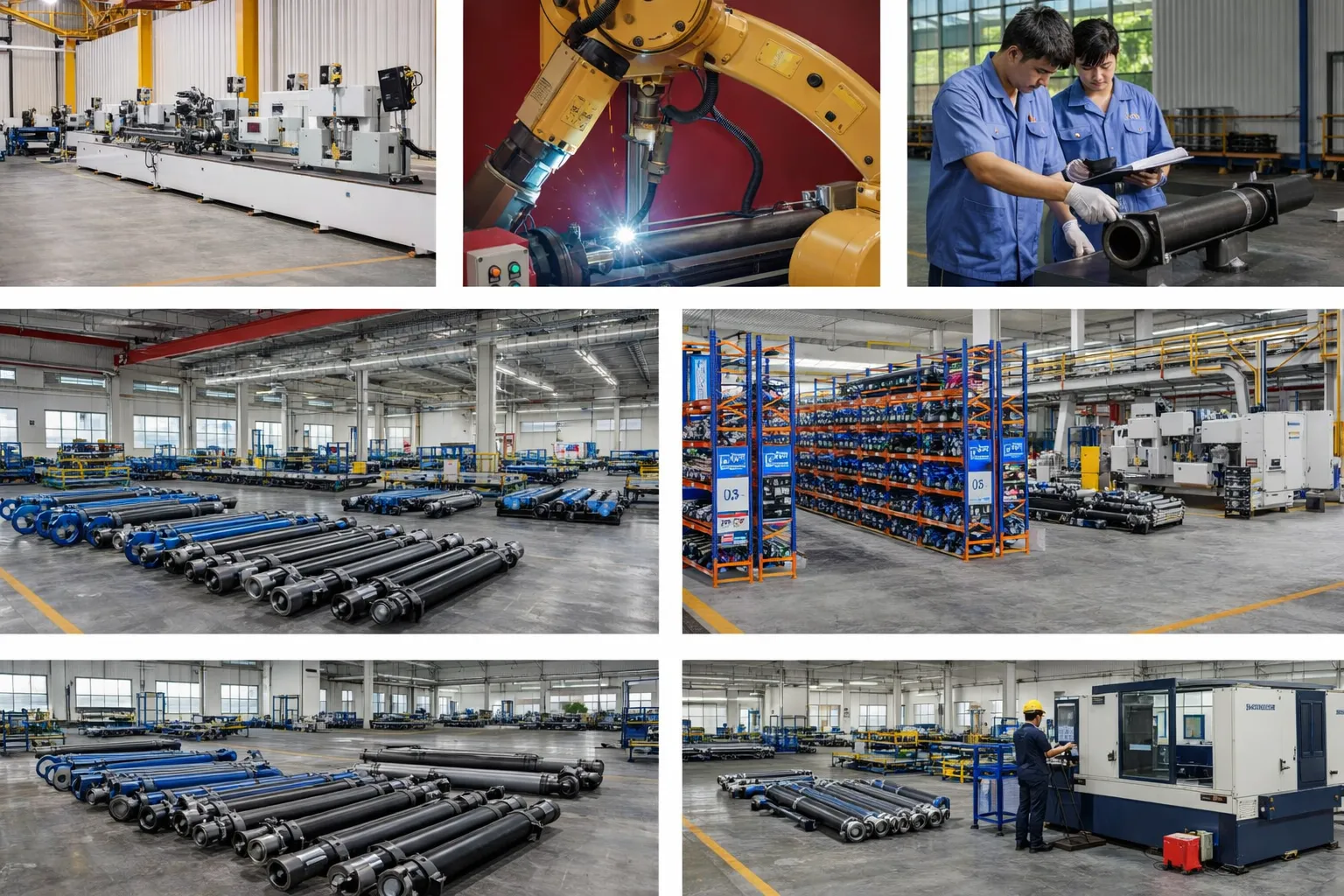
The 250 mm stroke produces a compact cylinder — overall retracted length approximately 400–450 mm. The short, thick proportions (140 mm bore × 250 mm stroke) create a barrel that is stronger per unit length than any other small excavator cylinder, which is appropriate given the 453 KN thrust force and the ground-impact loading the blade experiences during grading and backfilling.
Bore honed to Ra 0.2–0.4 µm. Chrome plating 80 µm (the blade operates at ground level, exposed to soil, rocks, and abrasive contact). The blade's pivot pin connection is forged and machined — not welded — because the short, heavy cylinder experiences high bending moments at the mounting points when the blade hits buried obstacles during grading. Seals rated -30 °C to +80 °C, polyurethane + NBR + double-lip wiper.
Every bulldozing cylinder is hydrostatic tested at 1.5× rated pressure (44.1 MPa) and drift-tested (the blade must hold its set height without creeping downward during grading operations).
OEM & ODM
FAQ
Related Categories
Informazioni aggiuntive
| Editor |
|---|
Prodotti correlati
-
Mining Dump Truck Front Suspension Cylinder
-
Rotary Drilling Luffing Cylinder
-
Mining Dump Truck Steering Cylinder
-
Mobile Crane Outrigger Cylinder
-
Aerial Work Platform Telescopic Cylinder
-
Large Excavator Stick Cylinder (Arm Cylinder)
-
Aerial Work Platform Outrigger Cylinder
-
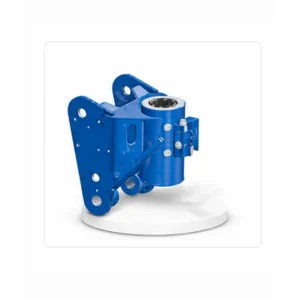
Aerial Work Platform Rotary Actuator