Factory Price Hydraulic Cylinder — Telescopic For Dump Trailer
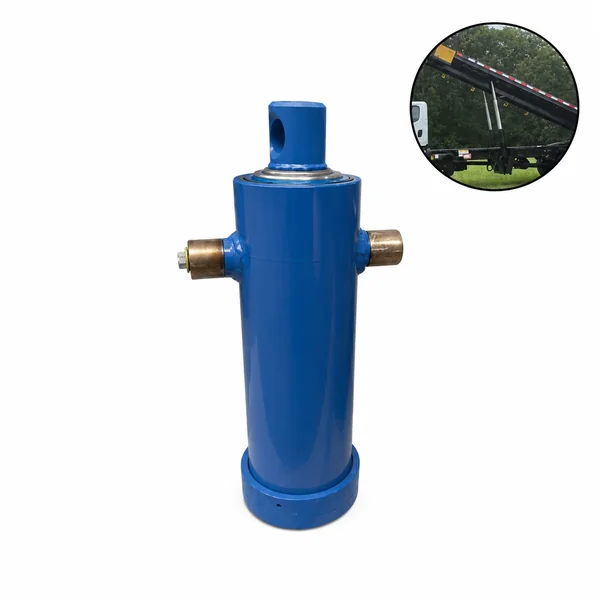
DUMP TRAILER · FACTORY PRICE
Factory Price
Telescopic Cylinder
For Dump Trailer
Cold Weather & Arctic Operation
Dump trailers in Canada, Scandinavia, Russia, and northern US states operate in temperatures that push standard telescopic hydraulic cylinders beyond their comfort zone. Below −20 °C, the fluid thickens, the seals stiffen, and condensation introduces water into the system. This page explains each cold-weather challenge and what to specify differently for reliable sub-zero operation.
Low-Temp Fluid Spec
ISO 9001
Korea Ever-Power manufactures telescopic cylinders for dump trailers operating in climates down to −40 °C. The cylinder itself is steel — it handles the cold. The challenges are in the fluid, the seals, and the operating practices. Standard specifications that work perfectly at +20 °C can fail at −30 °C: the fluid becomes too viscous to flow through the internal passages, the seals lose elasticity and leak, and ice crystals from condensation block the hydraulic filter and damage seal surfaces. Specifying the correct fluid grade, seal material, and operating procedures prevents these cold-weather failures.
Cold Weather Dump Trailer Cylinder — Parameters
| Bore / Rod / Stroke / Pin | 2–6″ / 1.125–4″ / 4–100″ / 0.5–2″ |
| Port Options | G / SAE / NPT / M |
| Cold Weather Seal Option | NBR low-temp compound (to −40 °C) or PTFE (to −200 °C) |
| Recommended Fluid | ISO VG 22 or VG 32 mineral / HV multi-grade / PAO synthetic |
| Body / Certification | Steel / ISO 9001 / 100% pressure tested |
| Lead Time / Warranty | 25–35 days / 1 year |

Three Things That Change Below −20 °C
Standard telescopic cylinders are designed to operate between −20 °C and +80 °C with VG 46 mineral oil and NBR seals. Below −20 °C, all three system components — fluid, seals, and reservoir air space — begin to create problems. Understanding these three mechanisms is the key to cold-weather specification.
Cold Start Procedure — Warming the System Before Full Load
Even with the correct fluid grade and cold-rated seals, a telescopic cylinder should not be operated at full load immediately after a cold start. The fluid and seals need time to warm up to operating temperature. Forcing full-pressure, full-speed operation on cold, thick fluid creates excessive pressure spikes that can damage seals, blow hose fittings, and overload the pump. This warm-up procedure applies to all hydraulic cylinder applications — not just dump trailers.
Step 1 — Idle the engine for 3–5 minutes
Allow the PTO pump to circulate fluid at no load — the fluid flows through the system and begins to warm from the pump's internal friction. Do not activate any hydraulic functions during this initial warm-up period.
Step 2 — Cycle the cylinder at no load, half speed
With the dump trailer empty, extend and retract the telescopic cylinder 2–3 times at reduced engine RPM (lower pump flow = lower pressure spikes). This circulates fluid through the cylinder's internal passages and warms the seals through frictional heat.
Step 3 — Proceed to full load operation
After the warm-up cycles, the fluid viscosity has decreased to an operable range and the seals have regained flexibility. Now proceed with normal loaded operation. Total warm-up time: approximately 5–10 minutes depending on ambient temperature. At −30 °C, allow the full 10 minutes; at −10 °C, 5 minutes is typically sufficient.
Cold Weather Specification Checklist — What to Order Differently
| Component | Standard (−20 to +80 °C) | Cold Weather (−40 to +60 °C) |
|---|---|---|
| Hydraulic fluid | VG 46 mineral | VG 22/32 or HV multi-grade or PAO synthetic |
| Seal material | Standard NBR (−30 °C) | Low-temp NBR (−40 °C) or PTFE |
| Reservoir breather | Standard vent cap | Desiccant breather |
| Reservoir heater | Not needed | Recommended below −30 °C |
| Cold start warm-up | Not critical | Required — 5–10 min no-load cycling |
| Hose specification | Standard rubber | Cold-flex rubber (rated to −40 °C minimum) |
The steel cylinder body, chrome-plated plunger, and welded construction are unaffected by cold temperatures. Steel becomes stronger (not weaker) as temperature decreases. The cold-weather specification changes are in the seals, the fluid, the hoses, and the operating procedures — not in the cylinder's structural components. This is why the cylinder price for cold-weather operation is similar to the standard price — the only cost difference is the seal material upgrade (10–15% on the seal cost, approximately 1–3% on the total cylinder price).
OEM & ODM — Ordering for Cold Climate Operation
Cold Weather Operation — FAQ
Field Reports
Our dump trailers haul gravel year-round in northern Norway — temperatures reach −35 °C in January. We specified low-temp NBR seals and use PAO synthetic fluid (VG 32 equivalent). Combined with a 5-minute warm-up cycle every cold morning, the Ever-Power telescopic cylinders have operated through two full winters without a single cold-related failure. Previous supplier's cylinders with standard NBR seals leaked every January — the cold cycling destroyed the seal lips within one winter season. The low-temp NBR upgrade cost approximately 2% more per cylinder — trivial compared to the cost of mid-winter seal replacements.
Mining operations in northern Alberta — ambient hits −40 °C regularly. We use PTFE seals (rated to −200 °C, effectively unlimited cold tolerance), PAO synthetic fluid, desiccant breathers on every reservoir, and 120V reservoir heaters that keep the fluid above −10 °C overnight. The Ever-Power cylinders with PTFE seals have been running for 14 months in these conditions — zero cold-related issues. The complete cold-weather package (PTFE seals + synthetic fluid + heaters + desiccant breathers) is standard practice for arctic mining — and the Ever-Power cylinder is a reliable component within that system.
Our dump trailers work in Minnesota — cold but not extreme arctic (−25 to −30 °C worst case). Four stars because I initially ordered with standard NBR seals and VG 46 fluid — the standard specification. Tipping was painfully slow on cold mornings and one hose fitting blew from the pressure spike of pumping cold gel-like fluid. After reading this cold weather guide, I switched to HV multi-grade fluid and ordered the next batch of Ever-Power cylinders with low-temp NBR seals. Problem solved — the combination works down to −28 °C with the warm-up procedure. Should have specified cold-weather from the start.
Other Hydraulic Cylinder Categories
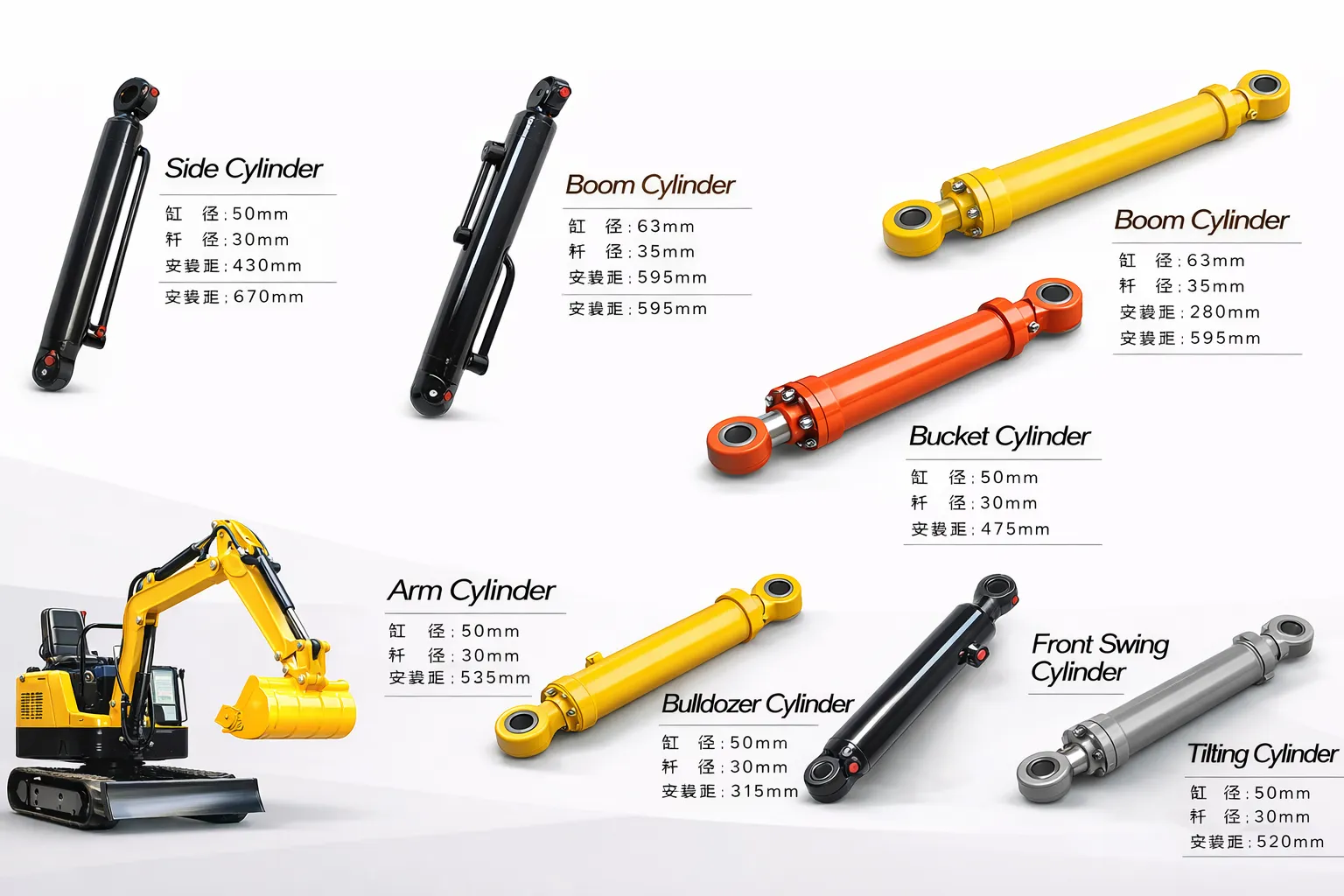
追加情報
| Editor | Cxm |
|---|
関連商品
-
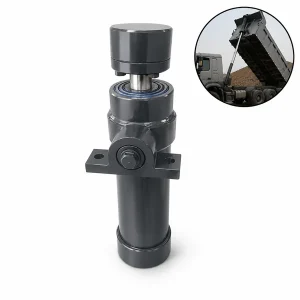
Low Price Double Acting Small Dump Truck Telescopic Hydraulic Cylinder
-
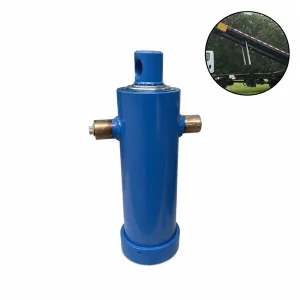
Guaranteed Quality Mini Dump Truck Hydraulic Cylinders
-
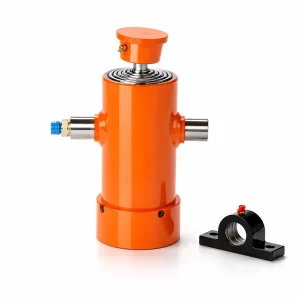
Customized Telescopic Hydraulic Cylinders — Multistage For Dump Trailer
-
High Quality Double Acting Dump Truck Telescopic Hydraulic Cylinder for Sale
-
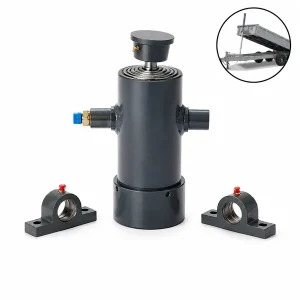
Effective 5 Stage Telescopic Small Dump Truck Hydraulic Cylinder
-
5 Stage Telescopic Dump Truck Hydraulic Cylinder — Maximum Compactness, Steel, Custom Bore 2–6 inch
-
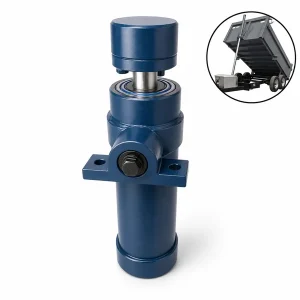
2 Stage Small Hydraulic Cylinder — Multistage Telescopic, Steel, Custom Bore 2–6 inch
-
Telescopic Hydraulic Cylinder for Dump Trailer