High Quality Small Hydraulic Cylinder Telescopic Hydraulic Cylinder For Dump Truck
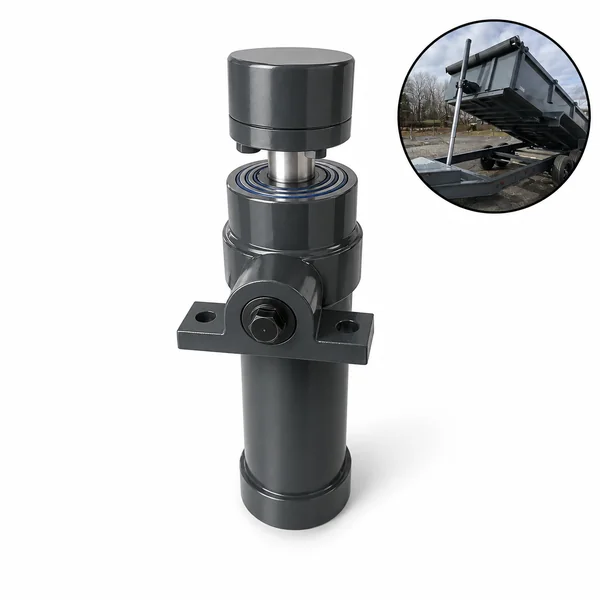
HIGH QUALITY · SMALL CYLINDER
High Quality
Small Telescopic Cylinder
For Dump Truck — Seal Materials Explained
The quality of a telescopic hydraulic cylinder is ultimately tested at the seals. The bore finish, dimensional accuracy, and weld integrity all serve one purpose: keeping the seals functional for as long as possible. But the seal material itself is equally critical — and choosing the wrong material for your dump truck's operating environment is a quality decision that no amount of manufacturing excellence can compensate for.
ISO 9001
G / SAE / NPT / M
Korea Ever-Power manufactures this small telescopic hydraulic cylinder with a choice of four seal materials — each optimised for different operating environments. The standard seal material works well for most dump truck applications, but specific conditions (extreme temperatures, chemical exposure, high-dust environments, or extended service intervals) may require a different seal compound. Understanding what each material does — and where it fails — lets you specify the correct seal for your dump truck and maximise the time between seal replacements.
Small Telescopic Dump Truck Cylinder — Customisation Parameters
| Bore / Rod / Stroke / Pin | 2–6″ / 1.125–4″ / 4–100″ / 0.5–2″ (all customisable) |
| Port Options | G / SAE / NPT / M |
| Seal Materials Available | NBR (standard) · Polyurethane · PTFE · FKM/Viton |
| Customer-Specified Seal Brands | Parker, NOK, Hallite, Busak+Shamban available on request |
| Body / Certification | Steel / ISO 9001 / 100% pressure tested |
| Lead Time / Warranty | 25–35 days / 1 year |
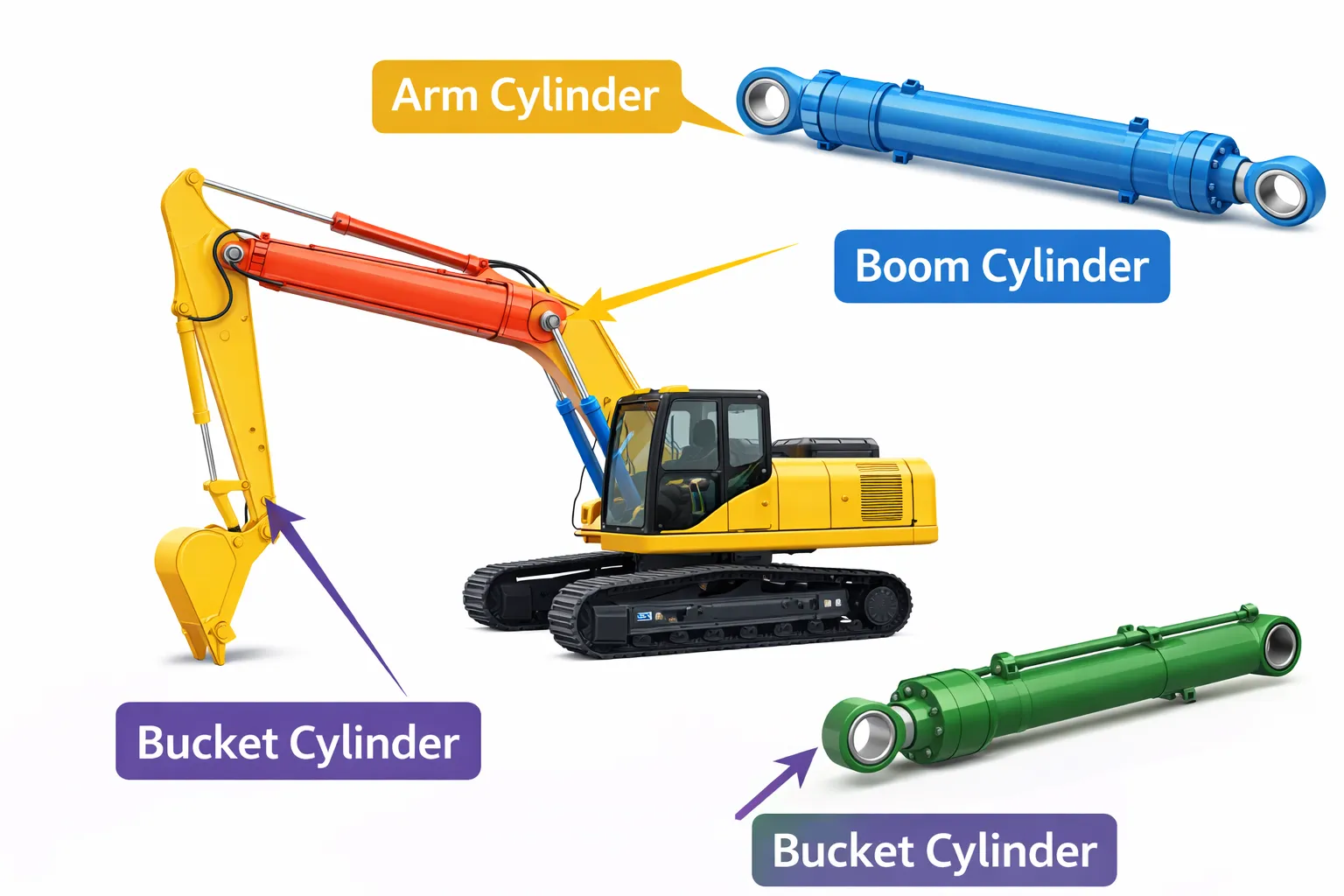
Four Seal Materials — Which One for Your Dump Truck
Each seal material has specific strengths and weaknesses. The correct choice depends on your dump truck's operating temperature range, the type of hydraulic fluid, the dust and chemical exposure, and the desired service interval between seal replacements. Korea Ever-Power installs NBR as the default — but will substitute polyurethane, PTFE, or FKM on request when the operating environment demands it.
NBR (Nitrile) — The Standard
Temperature: −30 °C to +100 °C. Best for: general dump truck service with mineral hydraulic oil.
NBR is the default seal material for hydraulic cylinders worldwide — good abrasion resistance, excellent compatibility with mineral oils, and a wide temperature range that covers most climates. It is the lowest-cost seal material and the most widely available. For dump trucks operating in temperate climates with standard mineral hydraulic fluid, NBR is the correct and most cost-effective choice. It does not tolerate biodegradable ester-based fluids or continuous temperatures above 100 °C.
Polyurethane (PU) — Maximum Wear Resistance
Temperature: −35 °C to +80 °C. Best for: high-dust, high-abrasion environments.
Polyurethane seals offer approximately 2–3× the abrasion resistance of NBR — making them the preferred choice for dump trucks operating in highly abrasive environments: quarries, sandpits, demolition sites, and any application where fine dust particles contaminate the plunger surface. The superior wear resistance extends the seal replacement interval significantly compared to NBR in dusty conditions. The limitation is a narrower temperature range — PU becomes stiff and brittle below −35 °C and softens above +80 °C.
PTFE — Low Friction, Chemical Resistant
Temperature: −200 °C to +260 °C. Best for: chemical exposure, biodegradable fluids, extreme temperatures.
PTFE seals are chemically inert — they tolerate virtually any hydraulic fluid including biodegradable esters, phosphate esters, and water-glycol fluids that attack NBR and PU. The temperature range is the widest of any seal material. PTFE also has the lowest friction coefficient, producing the smoothest cylinder extension. The limitation is that pure PTFE has lower wear resistance than PU — PTFE seals in abrasive environments wear faster. Carbon-filled or bronze-filled PTFE compounds improve wear resistance at the cost of higher friction.
FKM / Viton — High Temperature
Temperature: −20 °C to +200 °C. Best for: hot environments, asphalt trucks, foundry applications.
FKM (fluoroelastomer, brand name Viton) seals withstand continuous temperatures up to 200 °C — far beyond NBR's 100 °C limit. This makes FKM the correct choice for dump trucks hauling hot asphalt, operating near furnaces or foundries, or any application where the hydraulic fluid temperature regularly exceeds 80–90 °C. FKM is the most expensive seal material — typically 3–5× the cost of NBR — but essential when the temperature kills NBR seals prematurely. FKM does not perform well below −20 °C.
Seal Material Selection — Match Your Operating Environment
| Your Environment | Recommended Seal | Why |
|---|---|---|
| Standard dump truck, mineral oil, −20 to +80 °C | NBR | Default choice — best cost/performance balance |
| Quarry, sandpit, demolition (high dust) | PU | 2–3× abrasion resistance of NBR |
| Biodegradable fluid, water-glycol, chemical | PTFE | Chemically inert — tolerates all fluids |
| Arctic / extreme cold (below −30 °C) | PTFE or NBR | PU and FKM become brittle in extreme cold |
| Hot asphalt, foundry, high-temp environment | FKM | Continuous rating to +200 °C |
| Coastal / salt-spray / marine-adjacent | PU or FKM | Better corrosion-environment performance than NBR |
If you do not specify a seal material, Korea Ever-Power installs NBR (the industry standard). To request PU, PTFE, or FKM, state this explicitly in your order specification. Non-standard seal materials may add 3–7 days to the lead time if the specific seal profile needs to be sourced. Customer-specified seal brands (Parker, NOK, Hallite) are also available — specify both the material AND the brand if you have a preference for both.
Beyond Material — Seal Profiles in a Telescopic Cylinder
A telescopic cylinder does not use a single seal at each stage junction — it uses a seal set consisting of multiple profiles, each performing a different function. Understanding these profiles explains why a generic O-ring cannot replace a proper hydraulic seal set, and why the quality of the seal installation matters as much as the seal material itself.
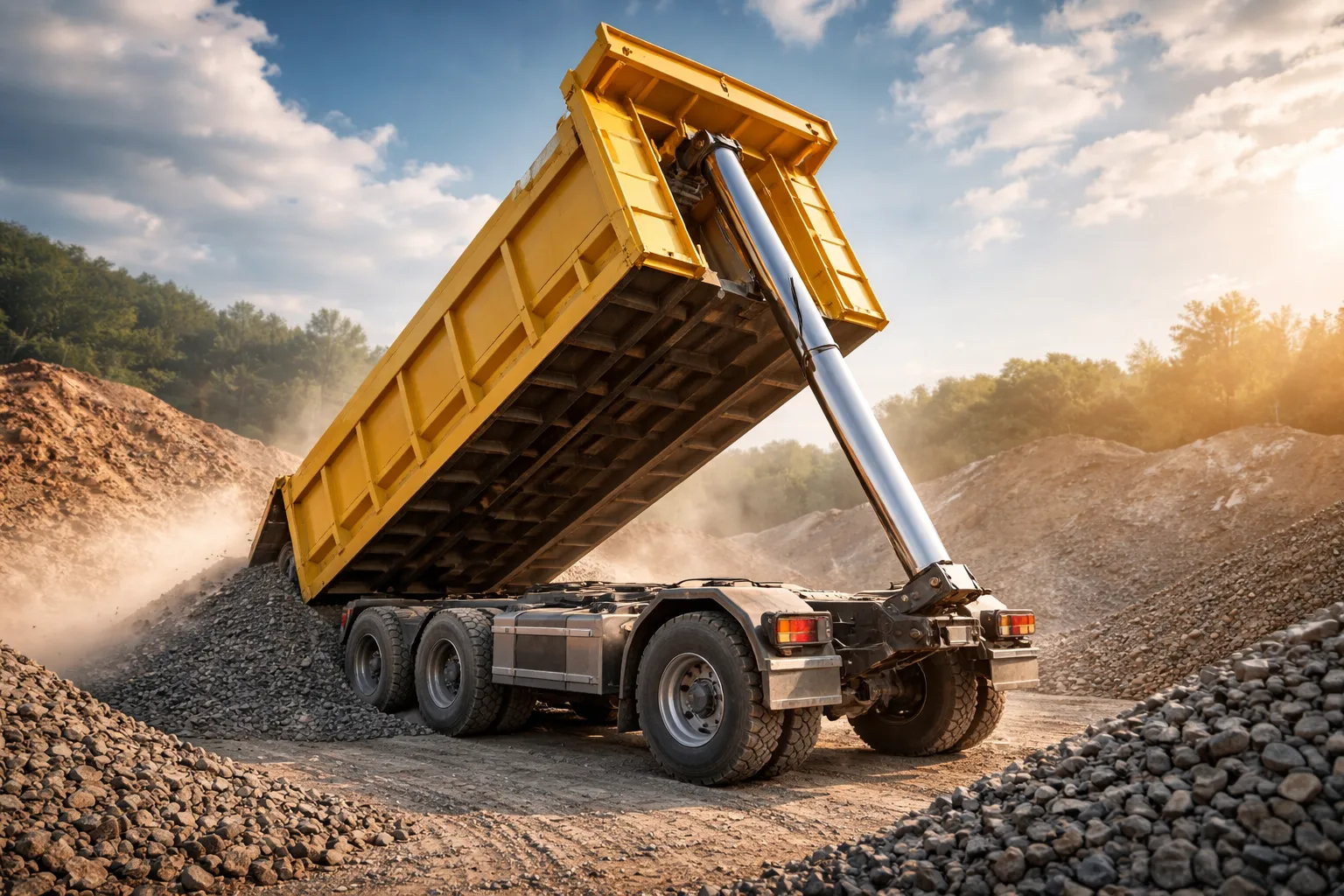
The primary pressure seal on the piston — prevents oil from bypassing across the piston from the pressure side to the return side. This seal determines whether the cylinder holds load or drifts. A worn piston seal causes internal bypass — the dump body slowly lowers under load even when the control valve is in the hold position.
Seals the plunger rod as it passes through the end cap — prevents oil from leaking externally. A worn rod seal is the most visible failure: oil drips from the cylinder end cap onto the ground. The rod seal lip rides on the plunger surface, so the plunger surface finish directly affects rod seal life — a scratched plunger destroys the rod seal.
Mounted outboard of the rod seal — scrapes dirt, dust, and water from the plunger surface as it retracts. The wiper prevents external contaminants from entering the cylinder and damaging the rod seal and bore. In dusty dump truck environments, the wiper is the first line of defence against abrasive particles — a failed wiper accelerates the failure of every seal behind it.
Not a seal but a critical support element — the guide ring centres the plunger inside the bore, preventing metal-to-metal contact. It carries the radial (side) load that the dump body applies during tipping. Without guide rings, the plunger would contact the bore wall, scoring both surfaces and rapidly destroying all seals. Guide rings are typically made from PTFE or phenolic composite material. Their quality determines the "stability" of the telescopic cylinder — the smooth, wobble-free extension described in the hydraulic cylinder product pages across this catalogue.
OEM & ODM — Specifying Seals for Your Application
Seal Technology FAQ
Field Reports
Our dump trucks work in a basalt quarry — the dust is incredibly abrasive. Standard NBR seals on our previous cylinders lasted about 8 months before the rod seals started leaking. Switched to Ever-Power cylinders with polyurethane (PU) seals, same bore and stroke. The PU seals are now at 14 months with no leakage — nearly double the NBR lifespan in the same dust conditions. The PU seals cost approximately 15% more than NBR, but the extended service life saves us one complete seal overhaul per truck per year. The math is overwhelmingly in favour of PU for quarry duty.
Our hot asphalt dump trucks operate with hydraulic fluid temperatures reaching 95–100 °C near the dump body. Standard NBR seals harden and crack within 12 months at these temperatures. We specified FKM (Viton) seals on the Ever-Power replacement cylinders. After 10 months of asphalt duty, the seals show no degradation — the FKM handles the heat without any issue. Yes, FKM costs 4× more than NBR per seal set — but the total seal cost is only about 5% of the cylinder price, and the FKM seals will last 3–4× longer in our hot environment. Best specification decision we've made.
Our municipality mandates biodegradable hydraulic fluid (rapeseed ester) on all equipment operating near waterways. Standard NBR seals swell and fail within 6 months in this fluid. We specified PTFE seals on our Ever-Power dump truck cylinders — 8 months in service with zero seal issues. Four stars because the PTFE seal order added 5 days to the lead time (sourcing the specific PTFE compound for our bore size). Plan accordingly if you need PTFE — the standard NBR ships faster. The cylinder quality and dimensional accuracy are excellent regardless of seal material.
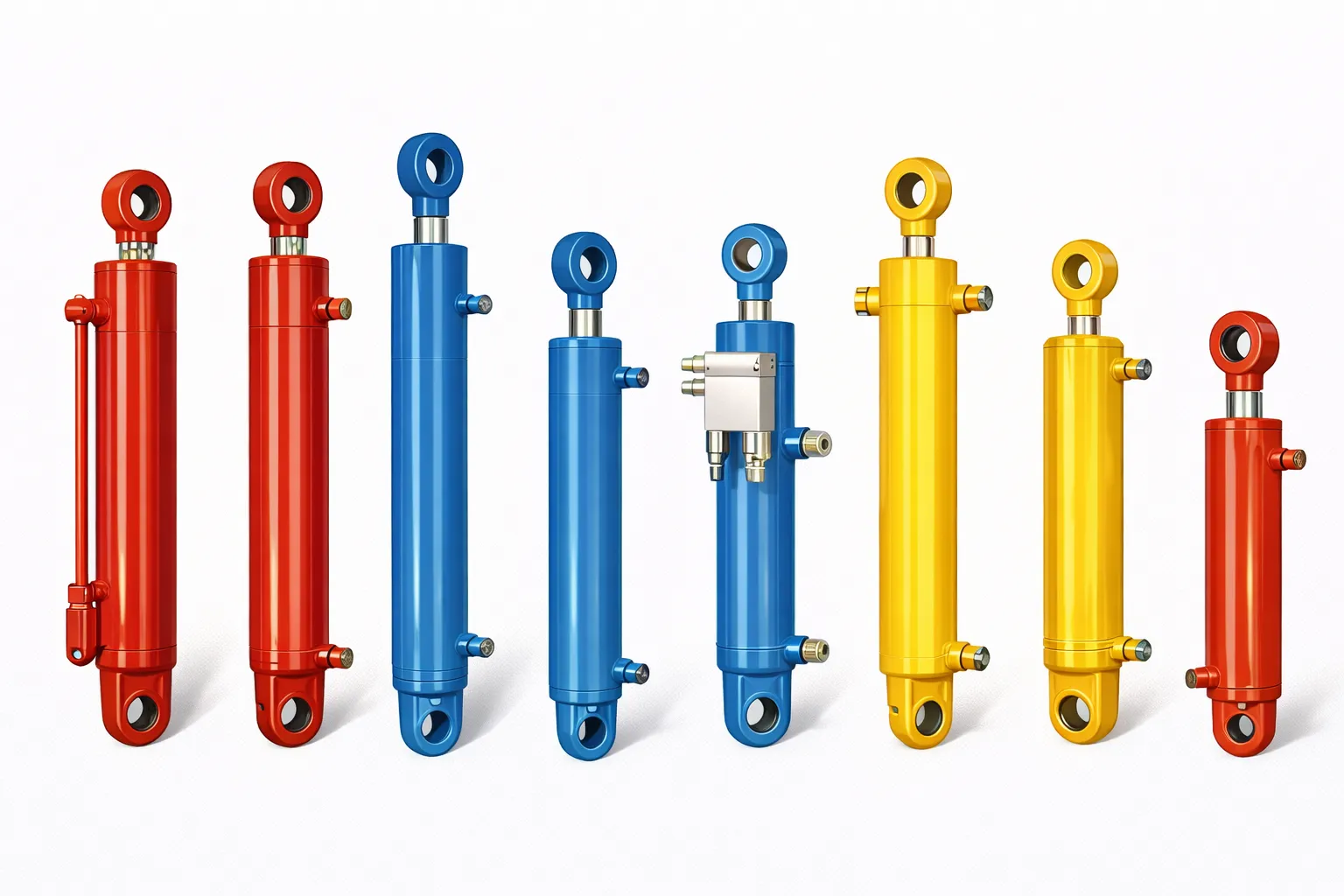
Other Hydraulic Cylinder Categories
Aanvullende informatie
| Editor | Cxm |
|---|
Gerelateerde producten
-
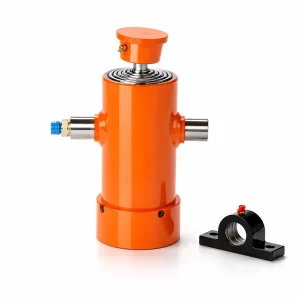
Manufacturer Supplier Double Acting Telescopic Hydraulic Cylinder For Dump Truck
-
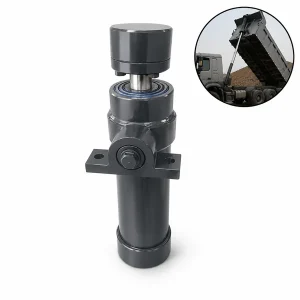
Competitive Price Telescopic Hydraulic Cylinder For Dump Trailer
-
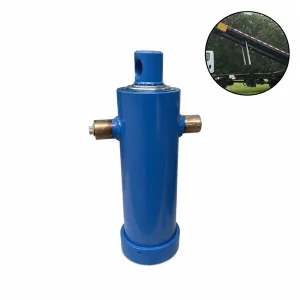
Factory Price Hydraulic Cylinder — Telescopic For Dump Trailer
-
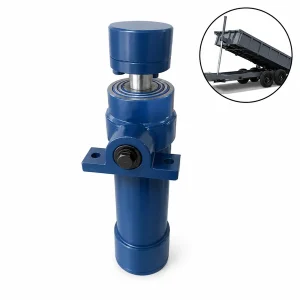
Professional 5 Stage Telescopic Dump Truck Hydraulic Cylinder
-
Cost Effective Double Acting Telescopic Hydraulic Cylinder for Sale
-
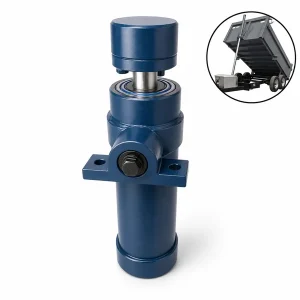
2 Stage Small Dump Truck Hydraulic Cylinder — Multistage Telescopic
-
5 Stage Telescopic Dump Truck Hydraulic Cylinder — Maximum Compactness, Steel, Custom Bore 2–6 inch
-
Strong Stable Telescopic Hydraulic Cylinder — Multistage for Dump Trailer