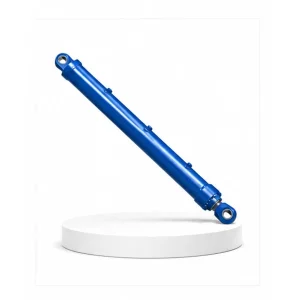
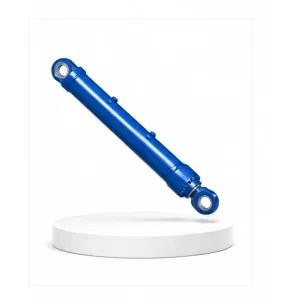
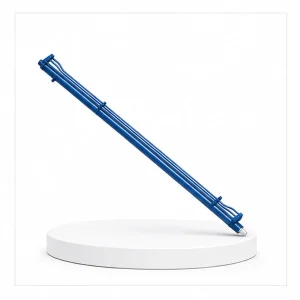
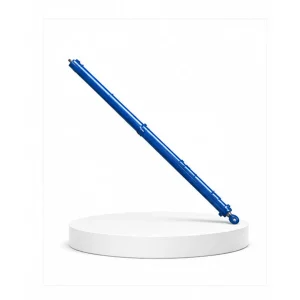
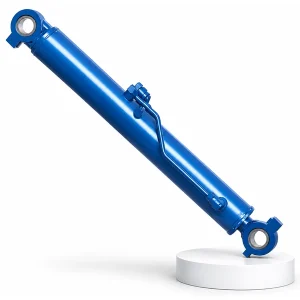
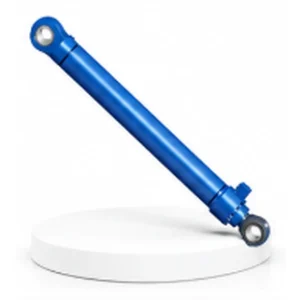
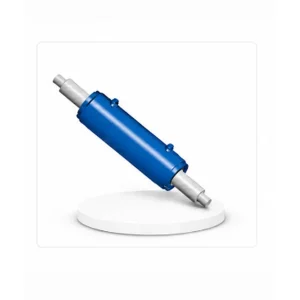
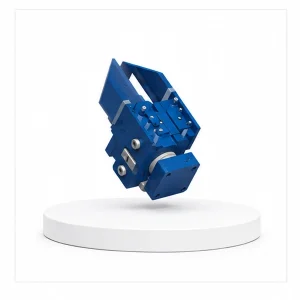
Small Excavator Rotary Actuator
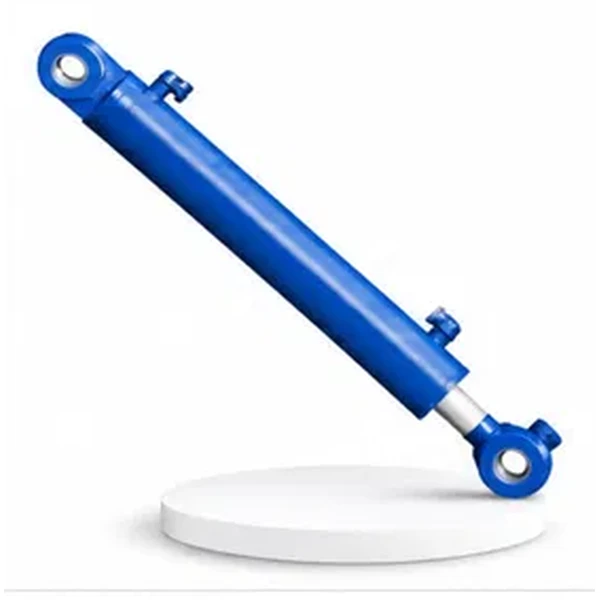
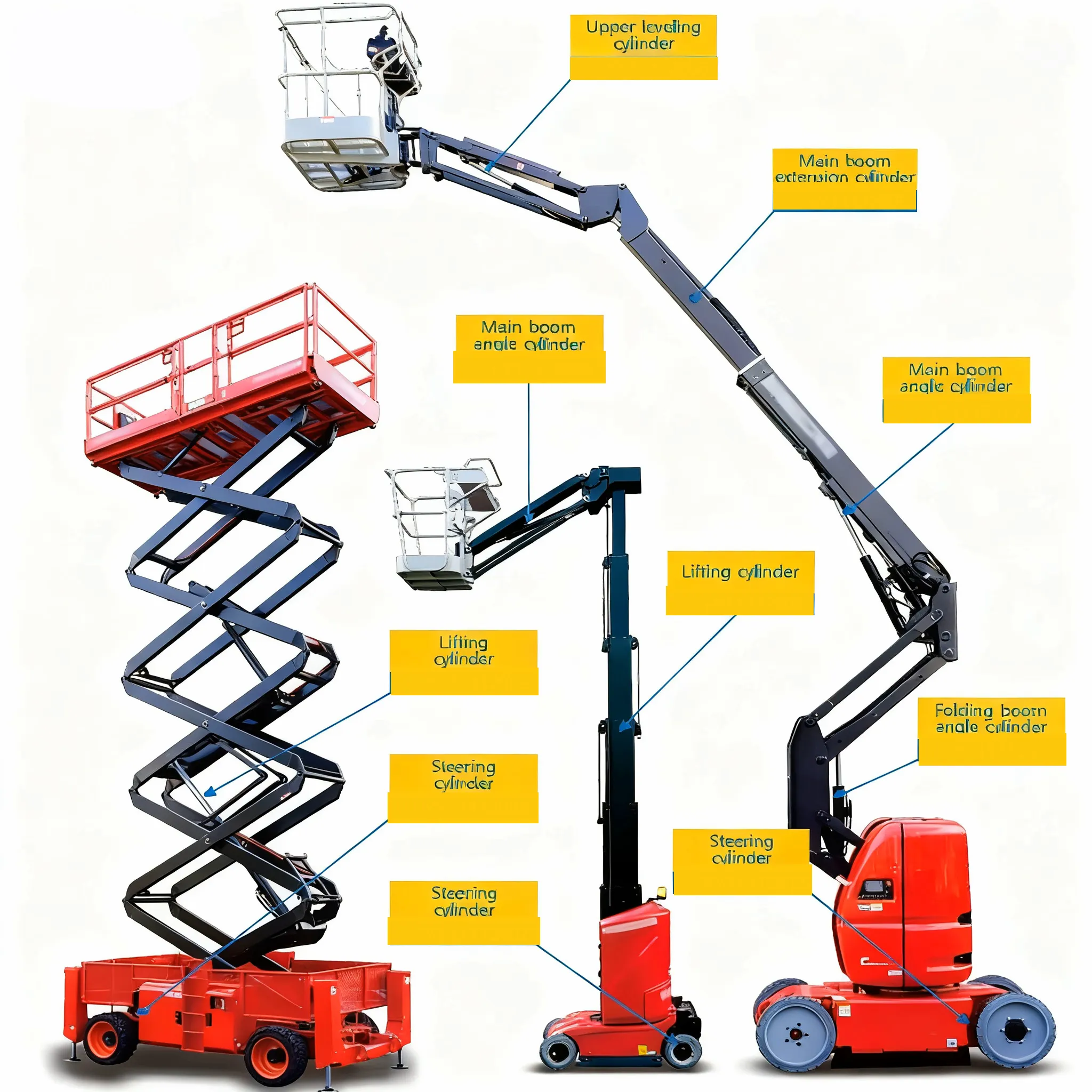
Boom Offset — The Feature That Defines a Small Excavator

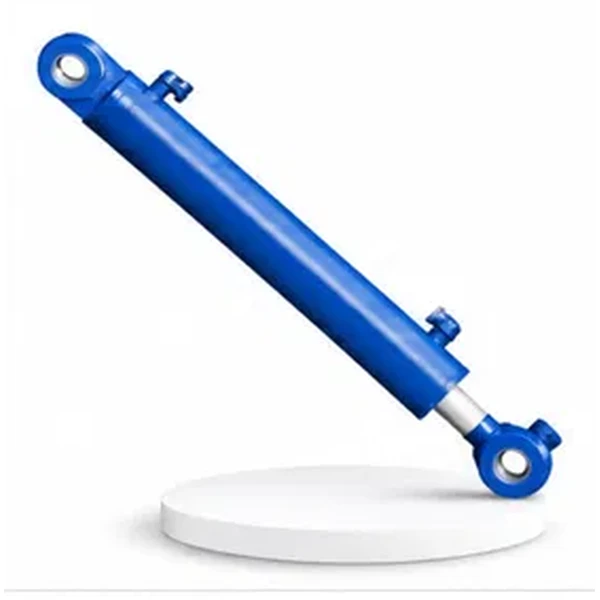
On a standard excavator, the boom is fixed on the machine's centreline — the bucket can only dig directly in front of the machine. To trench alongside a wall, the operator must angle the entire machine at 45° to the wall, dig at an offset, reposition, and repeat. This is slow, imprecise, and requires extra working space.
Small excavators solve this with boom offset: the rotary actuator swings the boom foot-pivot 30–60° left or right of the centreline, allowing the bucket to dig along a line parallel to the machine — but offset sideways. The operator can trench directly alongside a wall, fence, or building foundation while the tracks remain parallel to the trench. One straight pass replaces multiple angled repositions.
This capability is almost universal on small excavators (1–6 tonnes) and is the primary reason residential and urban contractors choose mini excavators over larger machines. Korea Ever-Power manufactures the rotary actuator as the fifth and final cylinder in the small excavator hydraulic cylinder family.
Technical Specifications
| Parameter | Specification |
|---|---|
| Product | Small Excavator Rotary Actuator |
| Function | Deflection (left/right swing) of the boom assembly |
| Bore Diameter | 50 mm – 120 mm |
| Rod Diameter | 25 mm – 75 mm |
| Stroke | ≤ 1,000 mm |
| Max Thrust | 333 KN (bore 120 mm / 29.4 MPa) |
| Application | Small Excavator (1–10 tonne, boom offset) |
| Certification | ISO 9001 · 100% hydrostatic tested |
Lateral Force During Digging — The Side Load Every Other Cylinder Avoids
When the boom is offset to one side and the excavator digs, the digging reaction force has a lateral component — a sideways push that tries to swing the boom back toward the centreline. The rotary actuator must resist this lateral digging force while holding the offset angle steady. This is unlike the boom, stick, and bucket cylinders, which only experience loads in their own plane of motion.
The actuator must hold the boom at the set offset angle against the continuous lateral push from digging. A weak or drifting actuator allows the boom to swing inward during each dig stroke — the trench wanders away from the wall, defeating the purpose of boom offset. The cylinder's internal leakage specification is critical for position-hold accuracy.
Between digging cycles, the operator may swing the boom left or right to reposition the bucket. This motion requires smooth, proportional control — jerky swing makes precision trenching impossible. Korea Ever-Power specifies low-friction seals for smooth breakaway and proportional flow response across the full stroke. Contact the Korea Ever-Power engineering team for rotary actuator specifications.
Manufacturing Process
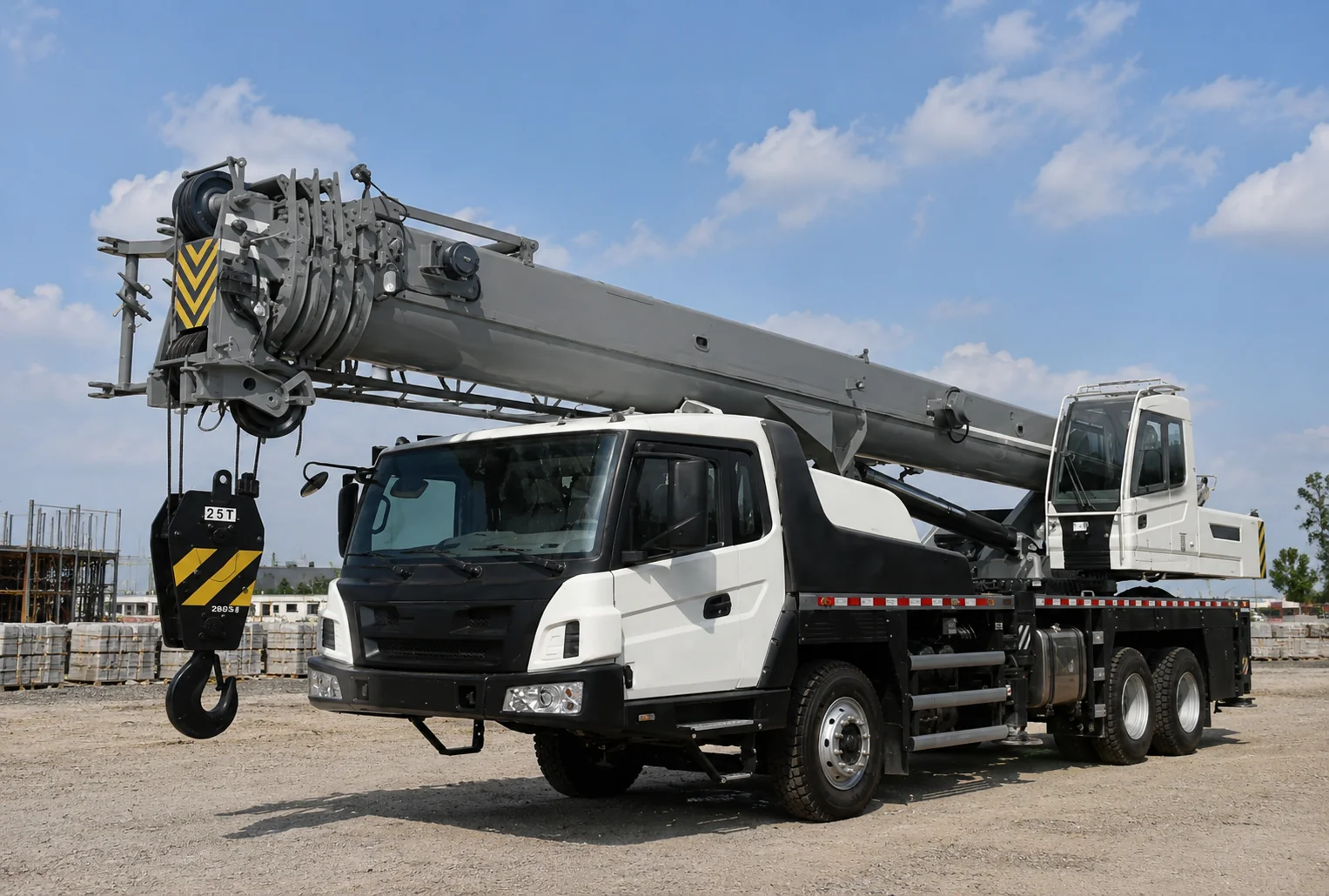
Bore honed to Ra 0.2–0.4 µm. Chrome plating 50–80 µm. The rotary actuator mounts horizontally at the base of the boom — a partially shielded position with moderate exposure to soil and water. The mounting lugs are forged to handle the combination of axial thrust (swing force) and lateral bending (digging side-force) that the rotary actuator uniquely experiences. Seals rated -30 °C to +80 °C, polyurethane + NBR + standard double-lip wiper.
Every rotary actuator is hydrostatic tested at 1.5× rated pressure (44.1 MPa) and position-hold tested — verifying that the boom holds its offset angle under simulated lateral digging force without measurable drift over a defined period.
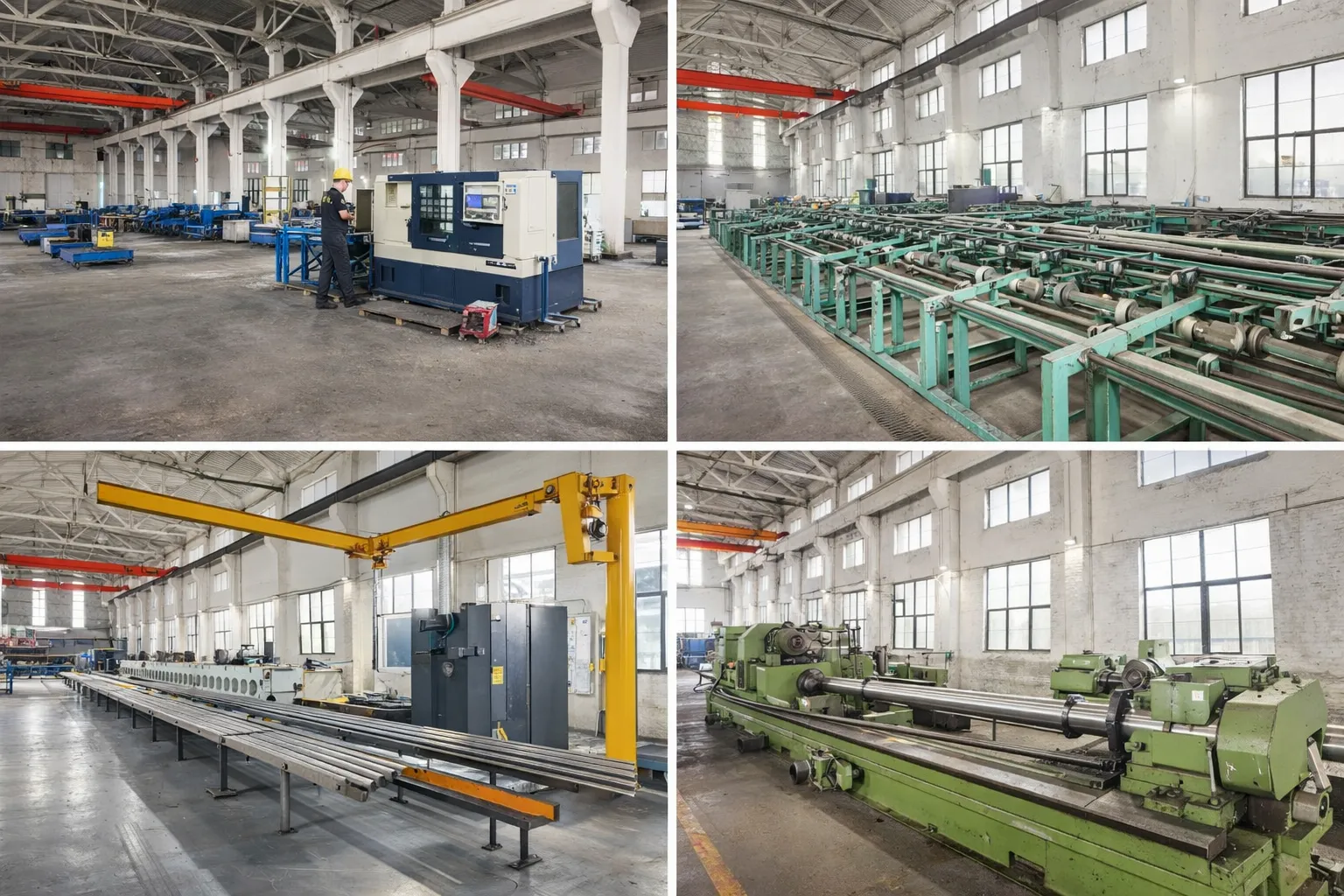
OEM & ODM
FAQ
Related Categories
Additional information
| Editor |
|---|