Small Excavator · 3rd of 5
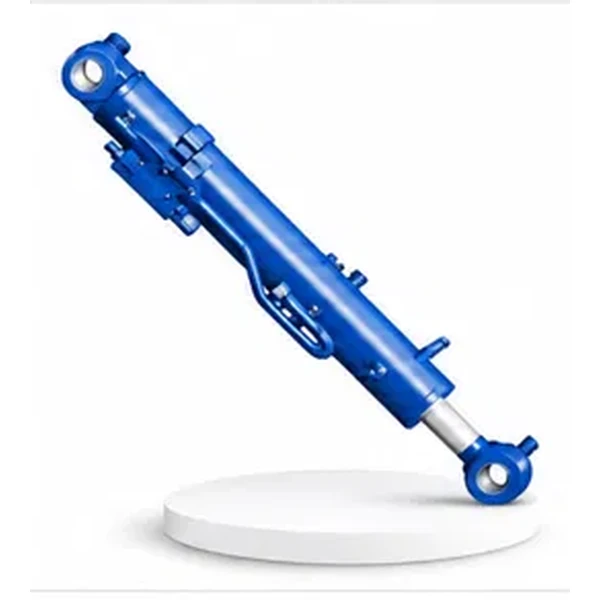
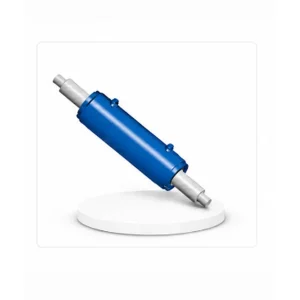
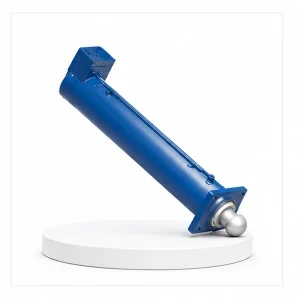
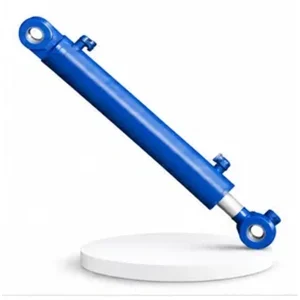
Small Excavator Boom Cylinder
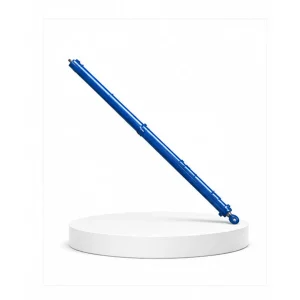
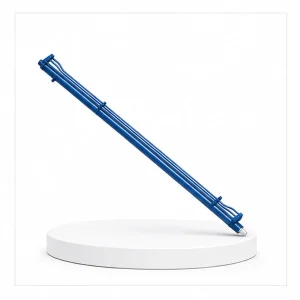
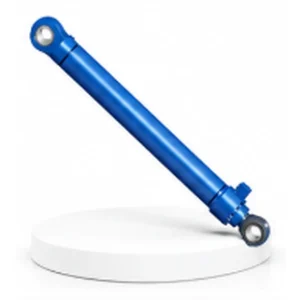
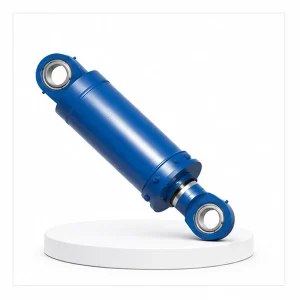
The heavy lifter. The boom cylinder carries everything — boom, stick, bucket, and payload — against gravity on every lift stroke. The largest bore, largest rod, and highest thrust in the small excavator cylinder family. When the operator swings a loaded bucket from trench to truck, this cylinder holds the entire weight steady.
50–125mmLargest Bore
361 KNHighest Thrust
29.4 MPaPressure
≤1,000mmStroke
Fighting Gravity — The Only Excavator Cylinder That Carries the Entire Arm
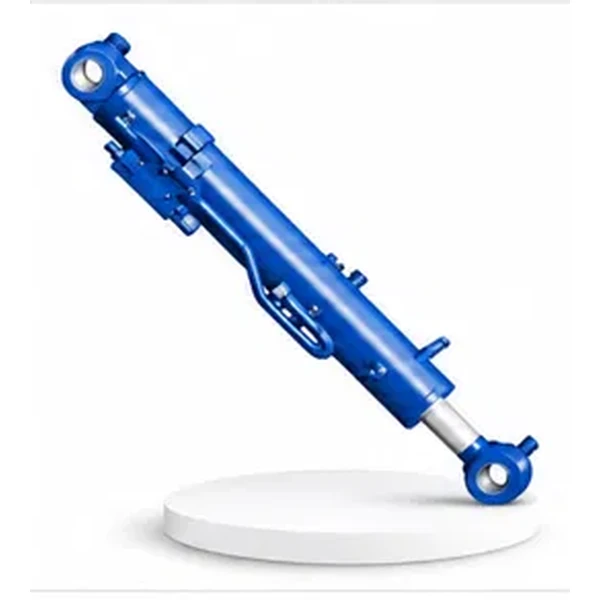
The bucket cylinder (#1) only supports the weight of the bucket and its contents. The stick cylinder (#2) supports the stick plus the bucket assembly. The boom cylinder supports everything: the boom structure itself (the heaviest individual component), the stick assembly, the bucket, and whatever the bucket is carrying — soil, rock, concrete, or pipe. On a 10-tonne excavator, this combined weight can reach 2,000–3,000 kg at the boom tip.
This gravitational load is continuous — the boom cylinder must hold the arm at any elevation angle without drift, even when the operator releases the joystick. A boom that drifts downward (from internal cylinder leakage or valve seepage) is a safety hazard and a productivity killer: the operator must constantly re-lift the arm, wasting fuel and time.
The 361 KN maximum thrust — 42% more than the bucket cylinder and 18% more than the stick cylinder — reflects this gravitational burden. Korea Ever-Power specifies the boom cylinder with tight internal leakage limits to ensure drift-free hold at any boom angle. Browse the full small excavator hydraulic cylinder range.
Technical Specifications
| Parameter |
Specification |
| Product |
Small Excavator Boom Cylinder |
| Function |
Control the lifting motion of the big arm (boom) |
| Bore Diameter |
50 mm – 125 mm |
| Rod Diameter |
25 mm – 75 mm |
| Stroke |
≤ 1,000 mm |
| Max Thrust |
361 KN (bore 125 mm / 29.4 MPa) |
| Application |
Small Excavator (1–10 tonne class) |
| Certification |
ISO 9001 · 100% hydrostatic tested · drift tested |
Lifting vs Lowering — Asymmetric Forces, Asymmetric Engineering
The boom cylinder's lifting and lowering strokes face fundamentally different loading conditions:
Lifting — maximum force, moderate speed
The cylinder extends against the full gravitational load of the arm assembly plus the payload. This is the boom cylinder's peak force demand — 361 KN at 29.4 MPa and 125 mm bore. The lifting speed is limited by the pump flow rate and the operator's desire for smooth, controlled placement. Hydraulic energy flows from the pump to the cylinder — positive work output.
Lowering — gravity-assisted, energy-absorbing
Gravity pulls the arm downward — the boom cylinder retracts under the arm's own weight. The cylinder does not need to produce force; it needs to control the rate at which the arm descends. The lowering valve on the boom circuit meters the oil flow out of the cylinder, converting the arm's gravitational potential energy into heat in the oil. Boom-down speed is a safety parameter: too fast, and the arm slams into the ground. Contact Korea Ever-Power engineering for boom cylinder specifications.
The Best-Protected Cylinder on the Excavator — High and Shielded
The bucket cylinder operates at ground level, caked in dirt and hit by rocks. The stick cylinder sits at mid-height, partially exposed. The boom cylinder mounts high on the machine — between the superstructure and the boom root — well above the working surface. Its rod and barrel are shielded from direct ground contact, debris packing, and water immersion by the boom structure itself.
This protected position means the boom cylinder's primary durability challenge is not contamination (as it is for the bucket cylinder) but fatigue. The boom cylinder handles the heaviest gravitational load on every cycle — lift loaded, swing, dump, lower empty, swing back, dig — thousands of full-load lift cycles per shift. The barrel, rod, welds, and eye bearings must all be designed for fatigue life exceeding the excavator's planned operating life (typically 10,000–15,000 hours for a small excavator).
Chrome plating is 50 µm (adequate for the protected position — less than the 80 µm used on the ground-level bucket cylinder). Bore finish Ra 0.2–0.4 µm. Rod eyes forged and machined. Seals rated -30 °C to +80 °C. Every boom cylinder is hydrostatic tested at 1.5× rated pressure (44.1 MPa) and drift-tested — verifying that the boom holds position without creeping downward over a defined period under rated load.
OEM & ODM
What You Provide
Excavator model and weight class, boom length and weight, combined arm-assembly weight (boom + stick + bucket + rated payload), required lifting force, lowering speed requirement, bore/rod/stroke, system pressure, drift limit specification, pin diameters, and the boom pivot assembly drawing.
What the Factory Delivers
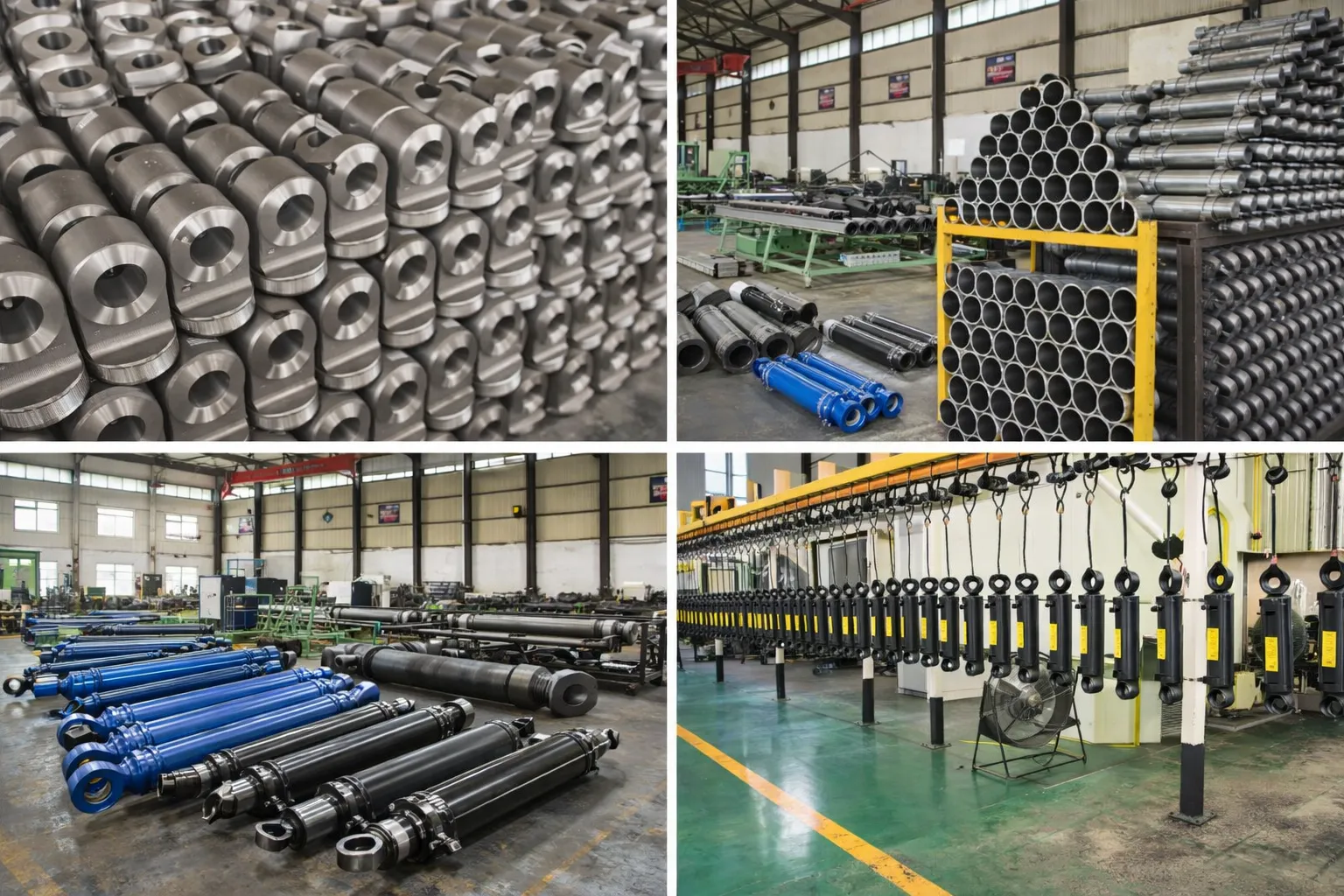
FAQ
Why does the boom cylinder have the largest bore in the family?
Because the boom cylinder carries the combined weight of the entire arm assembly. The bucket cylinder only supports the bucket (lightest); the stick cylinder supports the stick + bucket (medium); the boom cylinder supports everything (heaviest). A larger bore produces more force from the same system pressure — the 125 mm bore at 29.4 MPa generates 361 KN, enough to lift the full arm assembly plus rated payload at the worst-case (most horizontal) boom angle.
What causes boom drift, and how is it tested?
Boom drift — the slow downward creep of the arm when the joystick is in neutral — is caused by internal oil leakage past the piston seal, or external leakage through the control valve. Korea Ever-Power tests every boom cylinder for drift by loading the cylinder to rated force, isolating the ports, and monitoring the piston position over a 10-minute hold period. The maximum permitted drift is specified by the excavator OEM — typically ≤5 mm in 10 minutes at rated load.
Does the boom cylinder use the same seals as the bucket and stick cylinders?
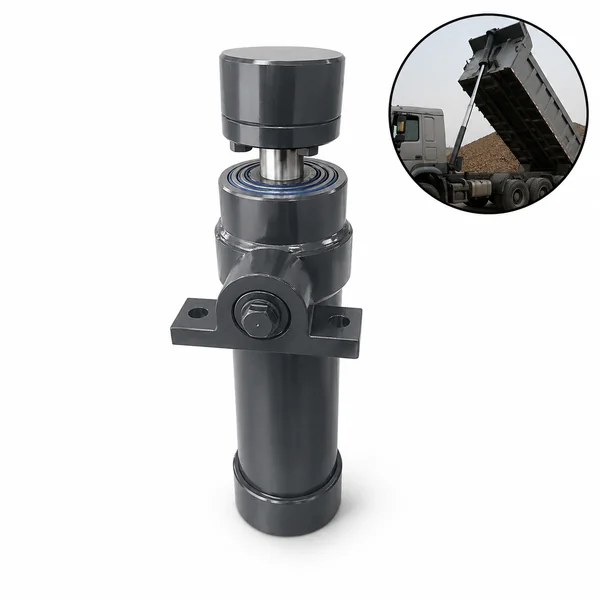
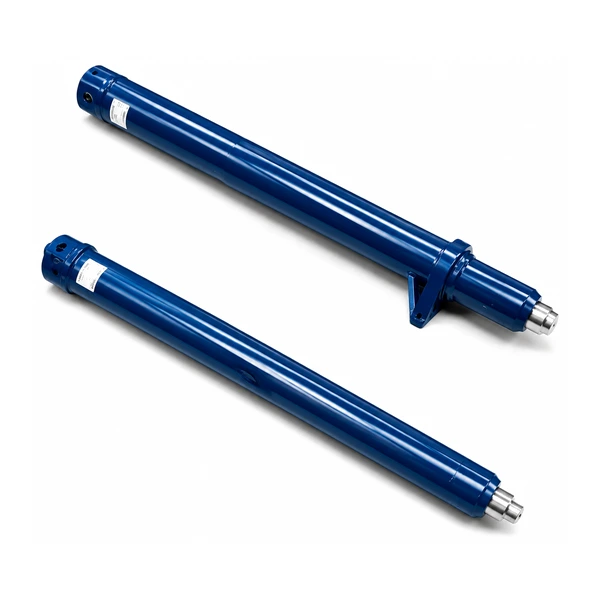
Same seal material (polyurethane piston seal, NBR rod seal) but the wiper specification differs. The bucket cylinder (#1) uses a heavy-duty double-lip wiper with hardened scraper (for ground-level debris). The boom cylinder uses a standard double-lip wiper — adequate for its protected, elevated position. Korea Ever-Power standardises the piston seal and rod seal across all three cylinders for a given excavator model, simplifying the OEM's seal-kit inventory. Browse telescopic cylinders and forklift cylinders.