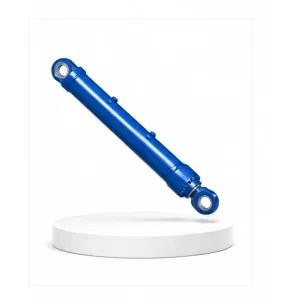
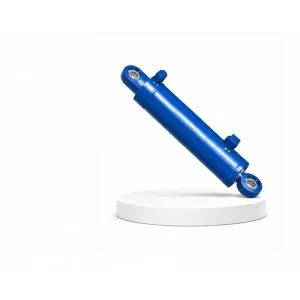
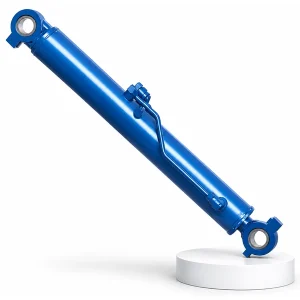
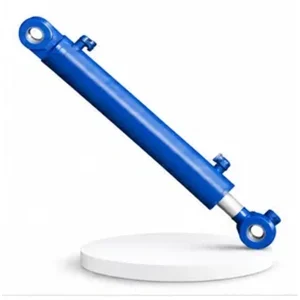
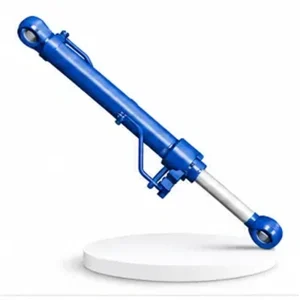
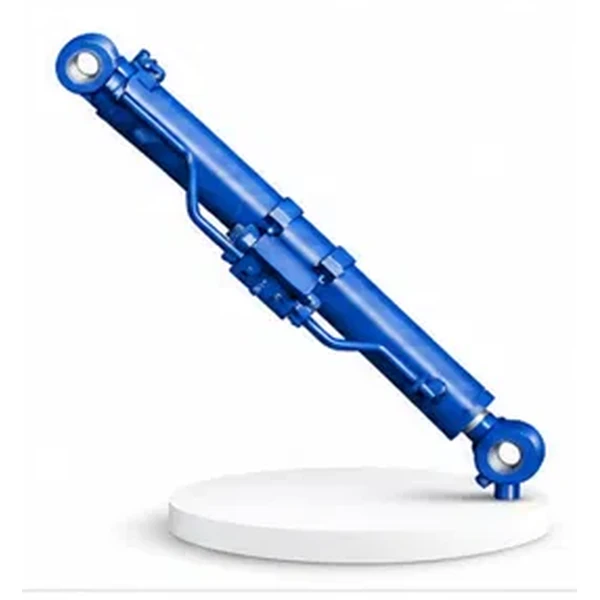
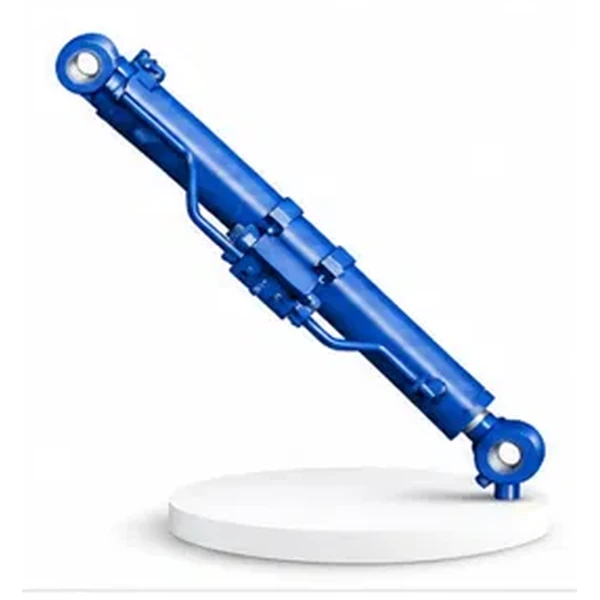
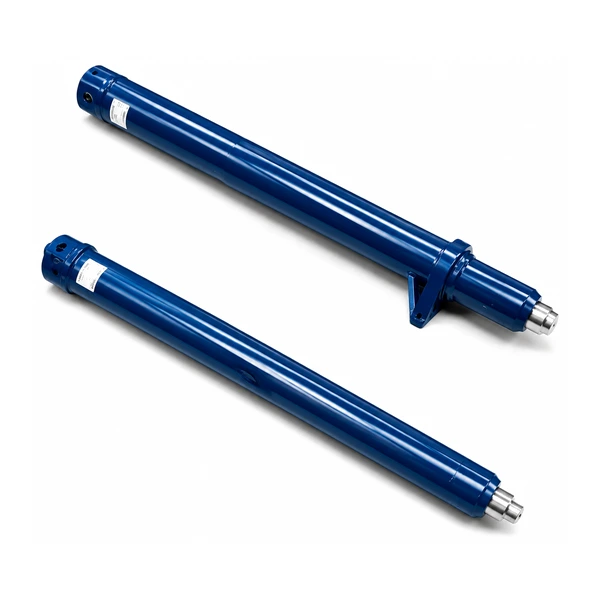
Small Excavator Stick Cylinder (Arm Cylinder)
The Reach Controller — How the Stick Cylinder Determines Digging Geometry
The boom cylinder (#3) sets the vertical height of the arm assembly — how high or low the arm reaches. The stick cylinder sets the horizontal distance — how far forward or backward the bucket extends from the boom's tip pivot. Together, the boom and stick cylinders define the excavator's working envelope: a crescent-shaped zone in which the bucket can reach any point.
The stick's contribution to digging depth is critical. When the boom is lowered and the stick is fully extended, the bucket reaches its maximum depth below grade. Each additional 100 mm of stick cylinder stroke adds approximately 70–90 mm to the machine's maximum digging depth (depending on the linkage geometry). For a small excavator, this can mean the difference between reaching the bottom of a utility trench in one pass or needing to bench down in two passes — doubling the trenching time.
The stick cylinder's 305 KN maximum thrust (20% more than the bucket cylinder's 255 KN) reflects the heavier loading: the stick cylinder must push the combined weight of the stick plus the bucket plus the bucket's soil load through the digging arc. Korea Ever-Power manufactures the stick cylinder as the second of five small excavator hydraulic cylinders.
Technical Specifications
| Parameter | Specification |
|---|---|
| Product | Small Excavator Stick Cylinder (Arm Cylinder) |
| Function | Control the movement of the forearm (reach / retract) |
| Bore Diameter | 50 mm – 115 mm |
| Rod Diameter | 25 mm – 70 mm |
| Stroke | ≤ 1,000 mm |
| Max Thrust | 305 KN (bore 115 mm / 29.4 MPa) |
| Application | Small Excavator (1–10 tonne class) |
| Certification | ISO 9001 · 100% hydrostatic tested |
Pull-Back Force — The Retraction Stroke Does the Real Digging
On most excavators, the digging force comes not from the extension stroke (pushing the stick outward) but from the retraction stroke (pulling the stick back toward the machine). The operator pushes the stick out to position the bucket at the far side of the trench, then pulls it back — dragging the bucket through the soil toward the machine. This retraction motion generates the digging breakout force that cuts and fills the bucket.
The retraction force is produced by the annular piston area (bore area minus rod area). With a 115 mm bore and 70 mm rod, the annular area is approximately 6,540 mm² — producing about 192 KN of pull-back force at 29.4 MPa. This retraction force is the excavator's "arm breakout force" in the machine's specification sheet — a key performance metric that operators use to compare excavator digging power.
A thicker rod increases extension force but reduces retraction force and speed. A thinner rod does the opposite. Korea Ever-Power optimises the rod diameter for each excavator model's digging pattern — balancing the arm breakout force (retraction) against the arm crowd force (extension) and the retraction speed (which determines cycle time). Contact the Korea Ever-Power engineering team for rod ratio optimisation.
Confined-Space Digging — Why Small Excavators Demand Compact Cylinders
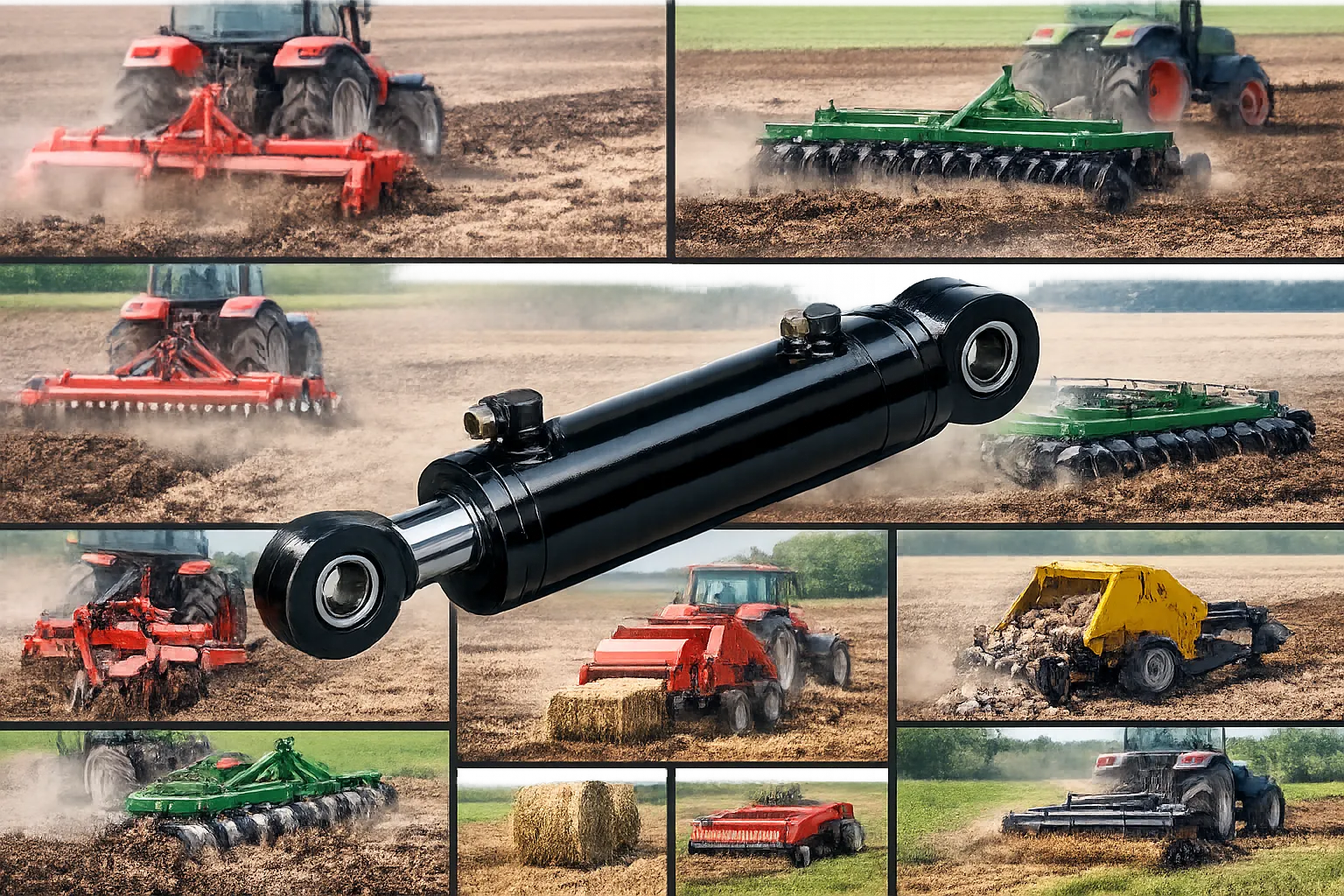
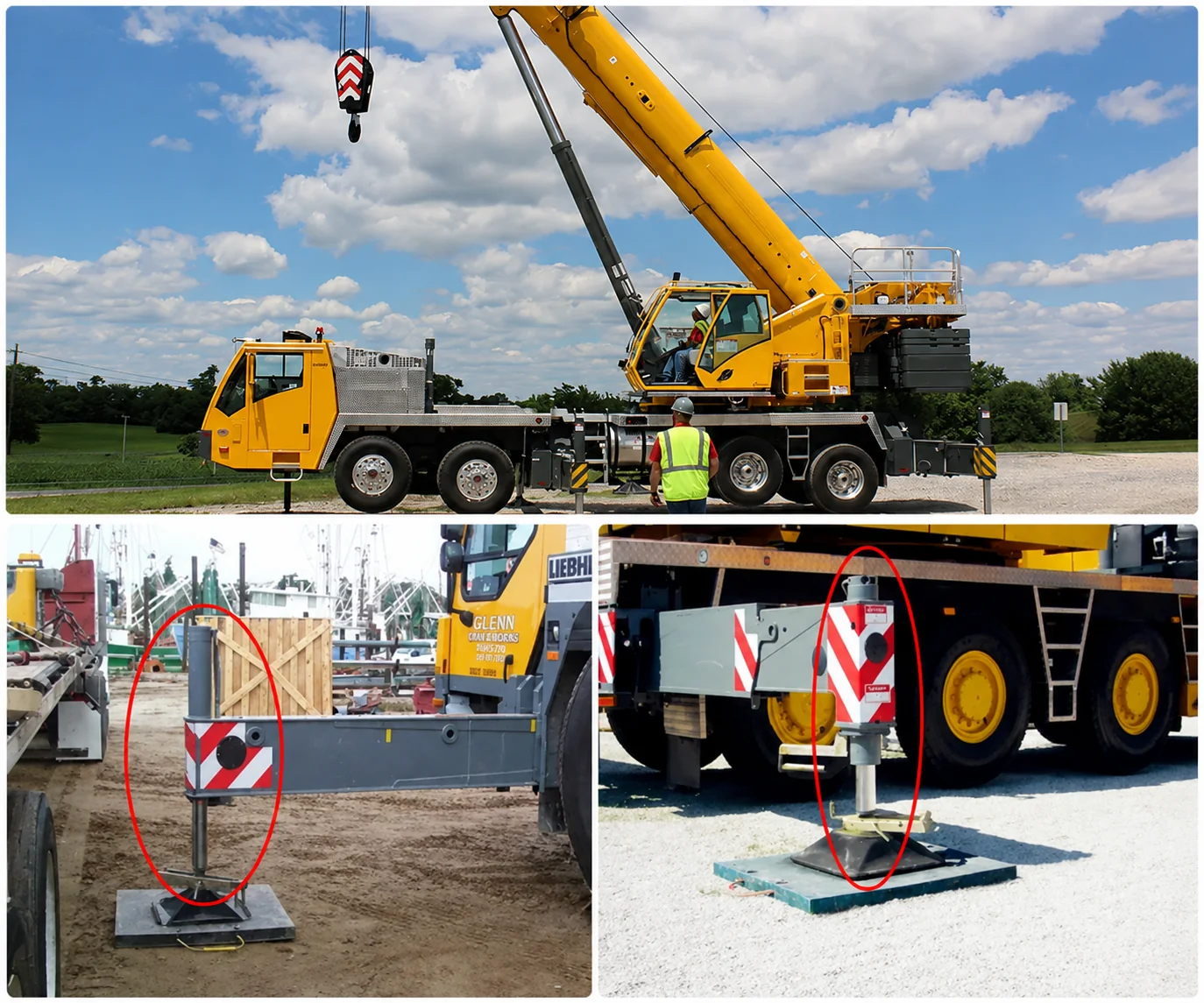
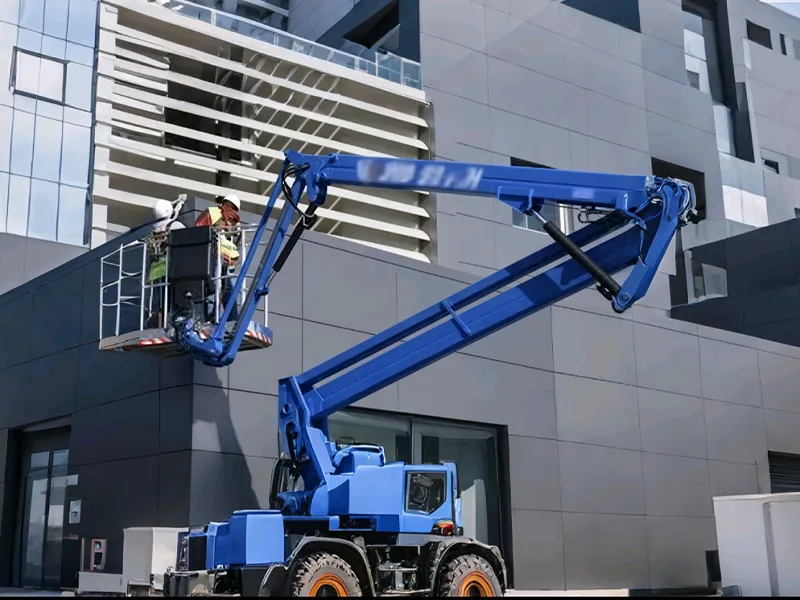
Small excavators (1–10 tonnes) work where larger machines cannot fit: inside buildings, between fences in residential gardens, in narrow alleys, and around underground utilities where every centimetre of clearance matters. The stick cylinder must produce adequate digging force from the smallest possible physical size — the cylinder's overall length, barrel diameter, and mounting lug protrusion all affect the machine's ability to operate in tight spaces.
Zero-tail-swing and reduced-tail-swing excavators — designed specifically for confined urban work — impose even tighter cylinder packaging constraints. The stick cylinder must fit within the narrower arm cross-section of these compact machines without sacrificing bore diameter (which would reduce digging force). Korea Ever-Power achieves this by minimising the barrel wall thickness to the structural minimum for the 29.4 MPa working pressure — every millimetre of wall thickness saved translates directly into machine compactness.
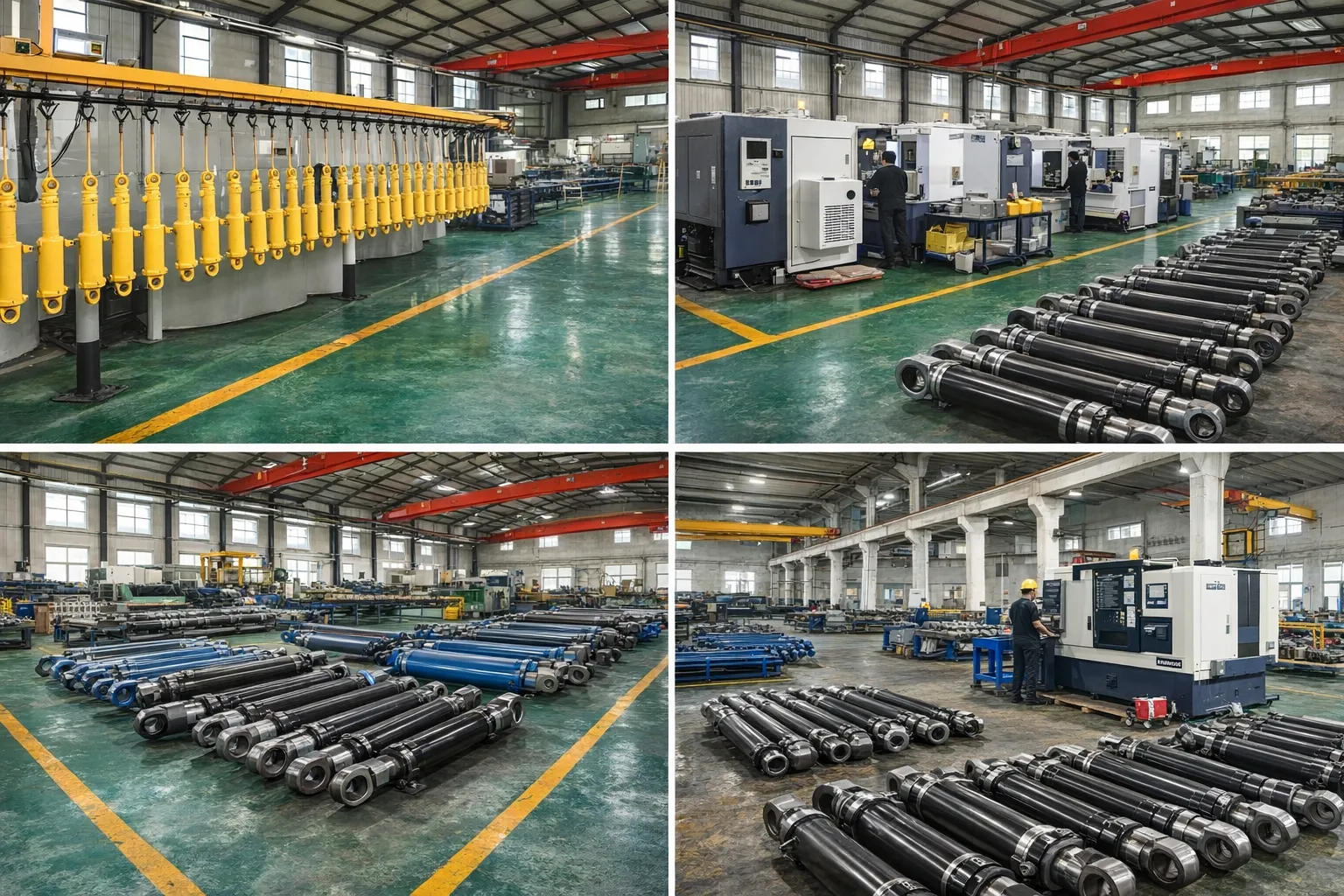
Bore honed to Ra 0.2–0.4 µm. Chrome plating 50–80 µm. Seals rated -30 °C to +80 °C. Every stick cylinder is hydrostatic tested at 1.5× rated pressure (44.1 MPa) and function-tested for smooth extension and retraction across the full stroke.
OEM & ODM
FAQ
Related Categories
Додатне информације
| Editor |
|---|