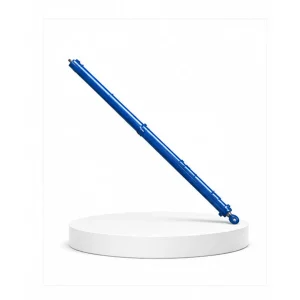
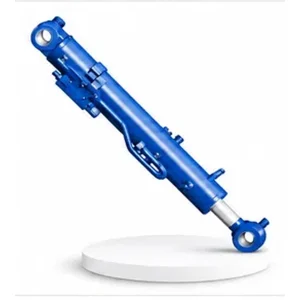
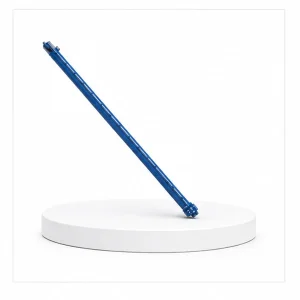
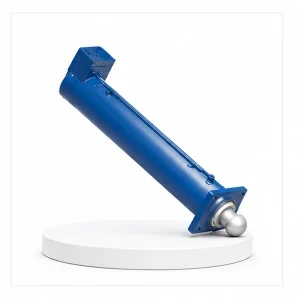
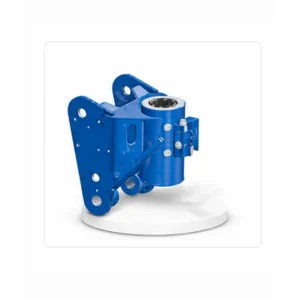
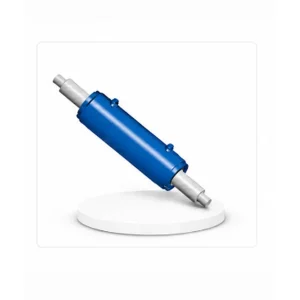
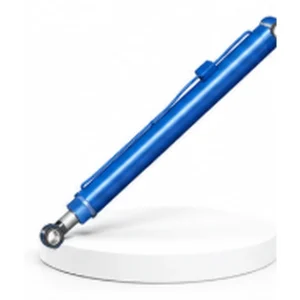
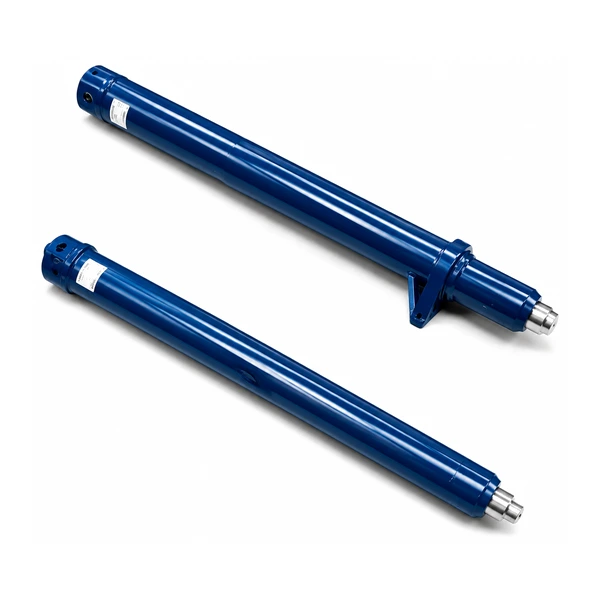
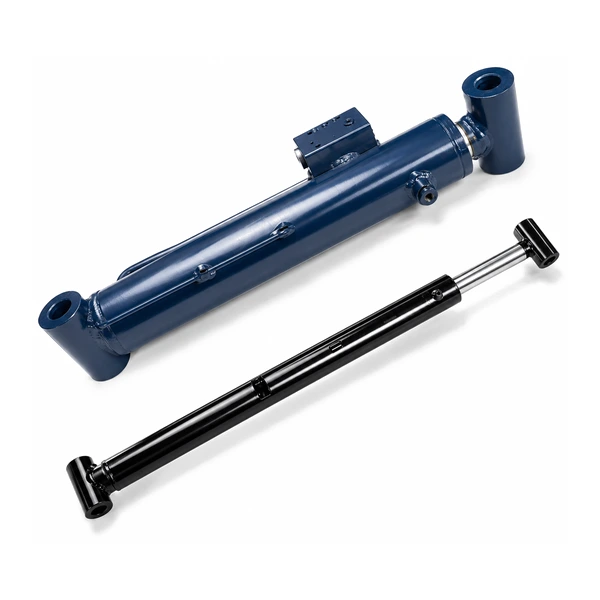
Small Excavator Bucket Cylinder
The Digging Cycle — 7,000 Curls per Hour at the Cutting Edge
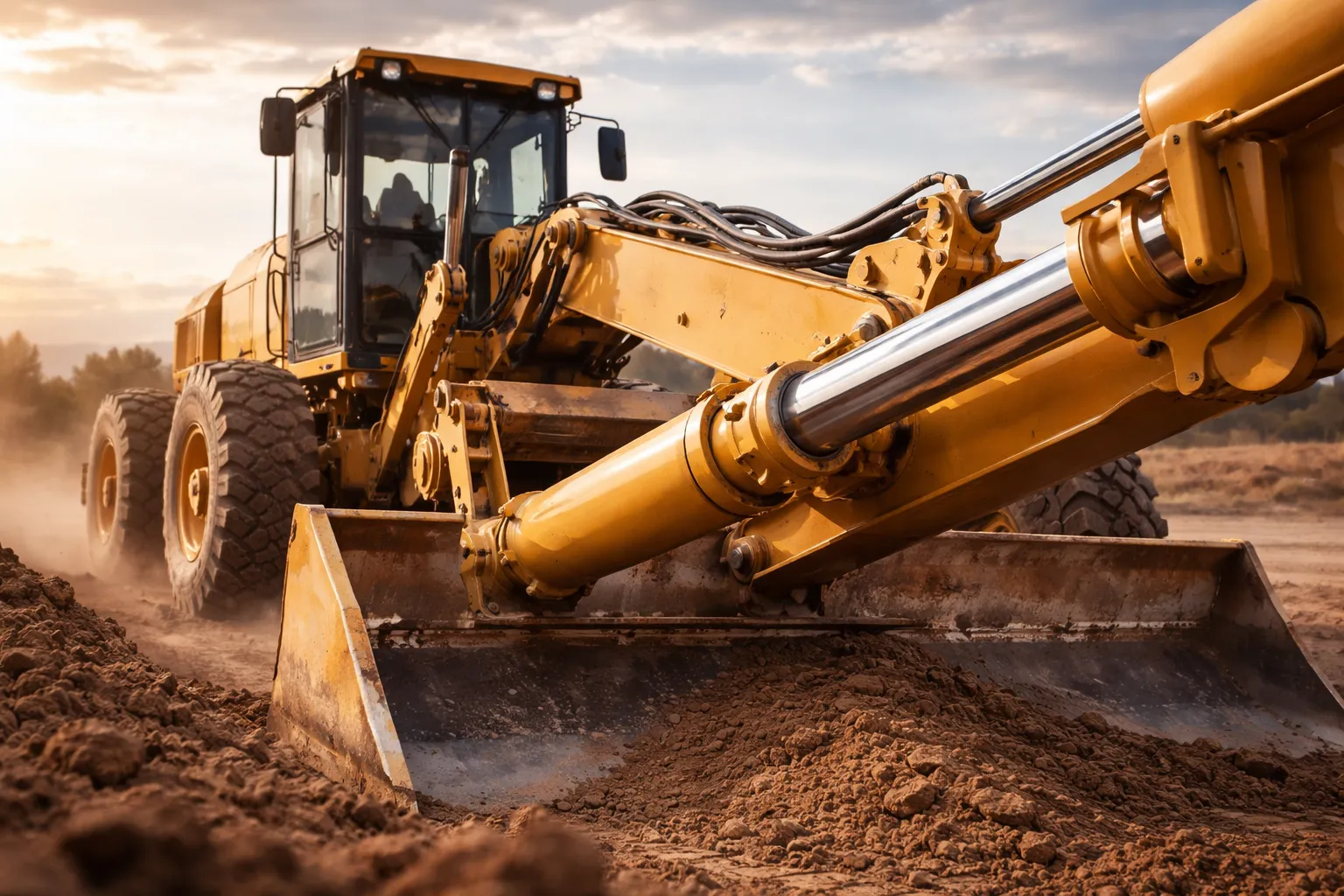
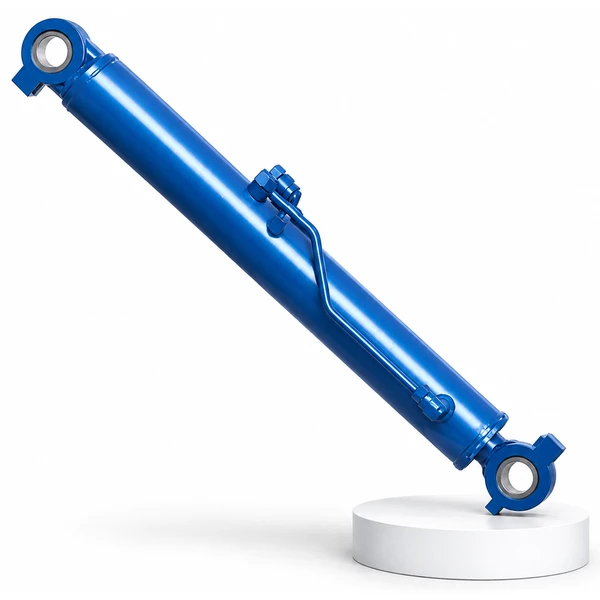
Every excavator digging cycle follows the same sequence: the boom lowers the stick into the trench, the stick pushes the bucket forward, and then the bucket cylinder curls — rolling the bucket teeth upward through the soil to fill the bucket. The boom lifts, the machine swings to the dump truck, and the bucket cylinder extends to dump the load. Swing back, lower, and repeat.
A skilled operator on a small excavator completes 8–15 digging cycles per minute. Each cycle requires one full extension and one full retraction of the bucket cylinder — two complete strokes. At 12 cycles per minute, that is 24 strokes per minute, 1,440 per hour, and up to 7,000 per 5-hour operating shift. The bucket cylinder is the fastest-cycling cylinder on the excavator — significantly more than the stick (#2) or boom (#3), which make smaller, slower movements during each cycle.
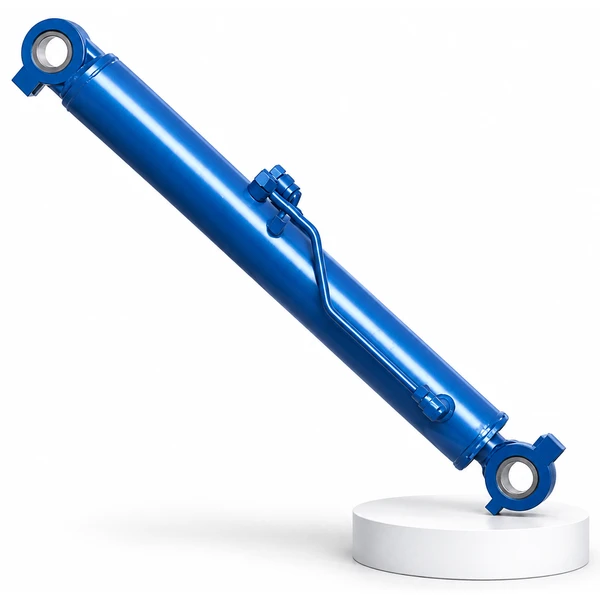
Korea Ever-Power manufactures the bucket cylinder as the first of five small excavator hydraulic cylinders — designed for the high-speed, high-impact demands of continuous digging.
Technical Specifications
| Parameter | Specification |
|---|---|
| Product | Small Excavator Bucket Cylinder |
| Function | Control the action of the bucket (curl / dump) |
| Bore Diameter | 50 mm – 105 mm |
| Rod Diameter | 25 mm – 70 mm |
| Stroke | ≤ 1,000 mm |
| Max Thrust | 255 KN (bore 105 mm / 29.4 MPa) |
| Application | Small Excavator (1–10 tonne class) |
| Certification | ISO 9001 · 100% hydrostatic tested |
Impact, Debris, and Direct Ground Contact — The Harshest Position on the Excavator
The boom cylinder (#3) sits high on the machine, protected from ground contact. The stick cylinder (#2) is at mid-height, partially shielded. The bucket cylinder is at the bottom — centimetres from the cutting edge, directly exposed to the digging face:
When the bucket hits a buried rock or concrete, the shock travels through the bucket linkage directly to the bucket cylinder. The rod and barrel absorb the full deceleration impulse — creating instantaneous pressure spikes that can reach 2–3× the normal working pressure. The barrel wall thickness and rod diameter are designed with impact safety factors that exceed the static pressure rating.
During digging, soil, mud, gravel, and small rocks pack around the bucket cylinder as it operates at the bottom of the trench. This debris grinds against the rod chrome surface with every stroke — a continuous abrasive attack that no other excavator cylinder experiences at the same intensity. The wiper seal must clear this compacted debris on every retraction stroke. Korea Ever-Power uses heavy-duty double-lip wipers with hardened scraper edges for the bucket cylinder position.
Small excavators frequently work in wet conditions — digging drainage ditches, clearing waterways, excavating below the water table. The bucket cylinder may operate partially or fully submerged in muddy water. The rod seal, wiper, and all external surfaces must resist prolonged water contact without corrosion or seal degradation. Contact the Korea Ever-Power engineering team for wet-environment bucket cylinder specifications.
Three Cylinders, One Arm — Bucket, Stick, and Boom Working Together
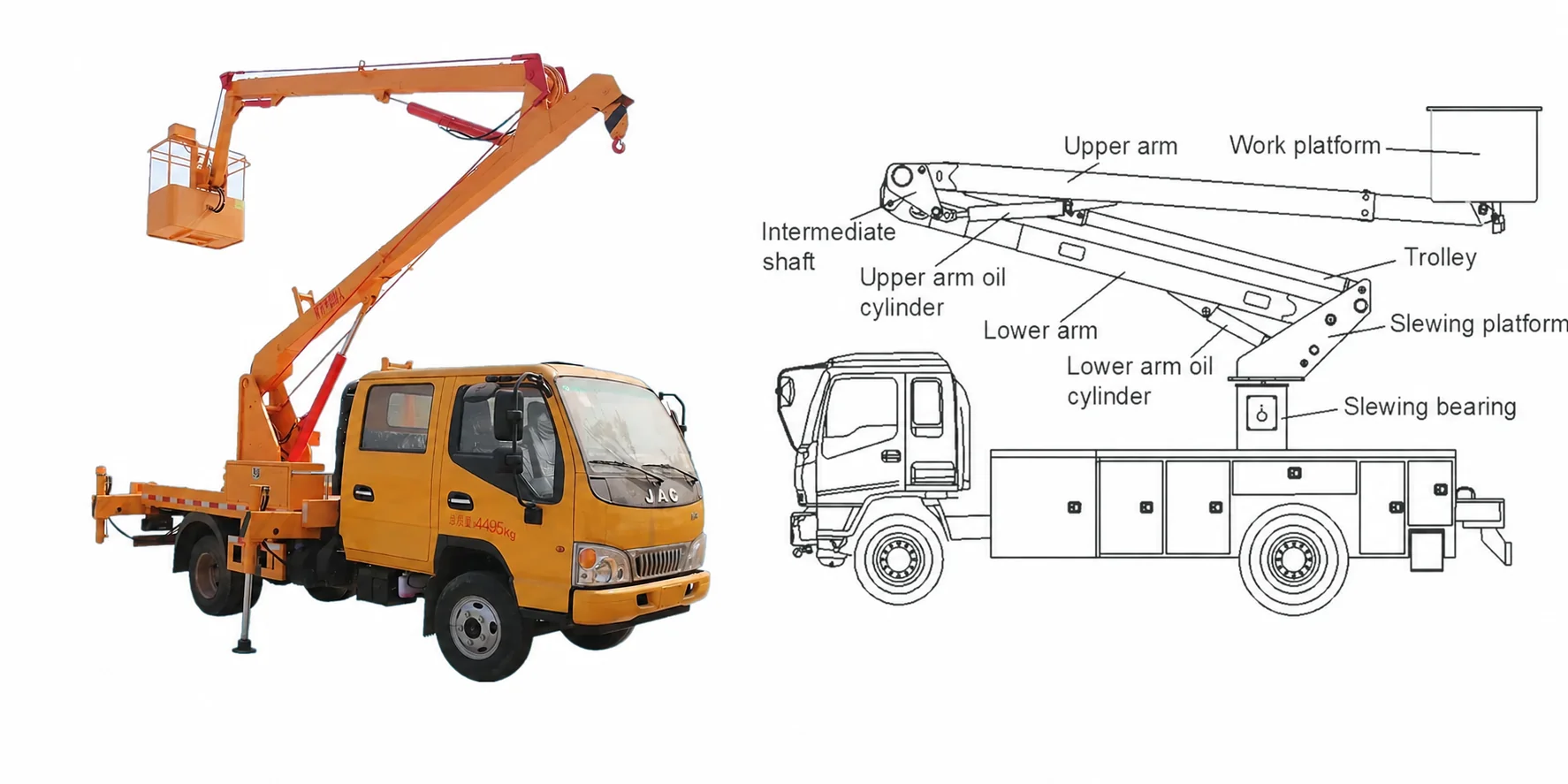
The small excavator's digging arm is a three-link kinematic chain — each link powered by its own cylinder, each with different bore, force, and speed requirements:
| Cylinder | Bore | Thrust | Function | Character |
|---|---|---|---|---|
| Bucket (#1) | 50–105 | 255 KN | Curl / dump | Fastest, most exposed |
| Stick (#2) | 50–115 | 305 KN | Reach / retract | Depth controller |
| Boom (#3) | 50–125 | 361 KN | Lift / lower | Heavy lifter |
Korea Ever-Power supplies all three cylinders as a matched set — engineered for the same excavator model's hydraulic system, pressure rating, and operating environment.
Manufacturing Process
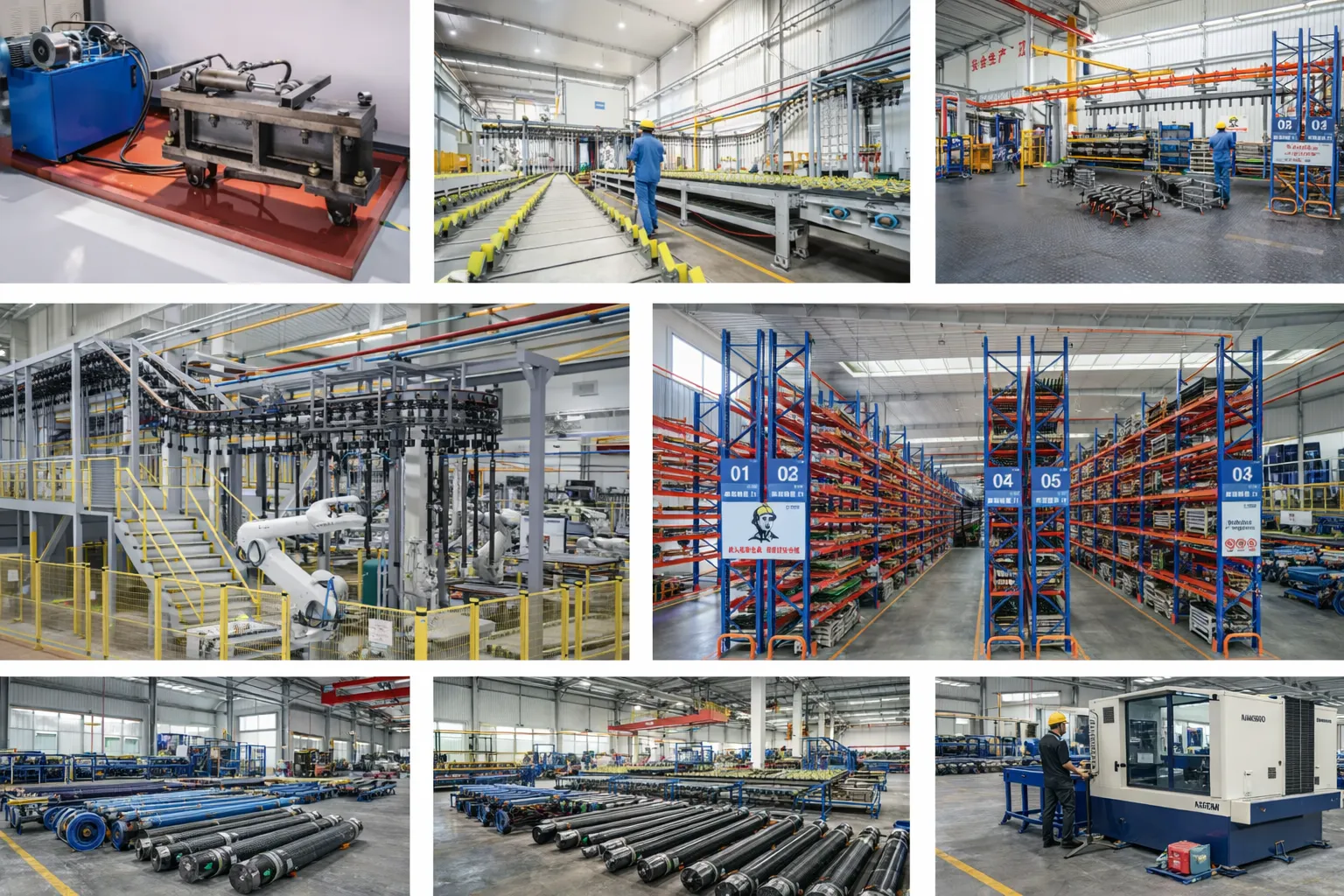
The bore (50–105 mm) is honed to Ra 0.2–0.4 µm. Chrome plating is 50–80 µm — the heavy end for excavators working in rocky or abrasive soil. The rod eye and barrel trunnion are forged and machined (not welded tube-end caps) to resist the high-frequency impact loading from bucket strikes against buried obstacles. All welds are full-penetration and ultrasonically inspected.
Seals are polyurethane piston seal + NBR rod seal + heavy-duty double-lip wiper with hardened scraper, rated for -30 °C to +80 °C. The double-lip wiper is critical for the bucket position — a single-lip design cannot reliably clear compacted soil and gravel from the rod surface at the cycling speeds the bucket cylinder demands.
Every bucket cylinder is hydrostatic tested at 1.5× rated pressure (44.1 MPa) and stroke-tested under no-load and loaded conditions for smooth operation without stick-slip across the full stroke range.
OEM & ODM
FAQ
Related Categories
Додатне информације
| Editor |
|---|