Hydraulic Rotary Actuator | Rated Torque 2,800 N·m | 180° Rotation

Hydraulic Rotary Actuator
EP-HRA Series · 2,800 N·m Torque · 21 MPa · 180° · 688cc
A compact hydraulic rotary actuator that converts hydraulic pressure into precise 180° rotational motion — delivering 2,800 N·m of torque at 21 MPa rated pressure. Unlike a hydraulic motor (which rotates continuously), the rotary actuator provides controlled, limited-angle rotation for positioning applications: turning valves, rotating equipment platforms, swinging material handling arms, and positioning heavy loads with arc-second precision.
Technical Specifications
| Parameter | Specification |
|---|---|
| Product Name | Hydraulic Rotary Actuator |
| Model Series | EP-HRA Series |
| Rated Pressure | 21 MPa |
| Rated Torque | 2,800 N·m |
| Rotation Angle | 180° |
| Displacement | 688 cc |
| Starting Pressure | ≤ 3.1 MPa |
| Max Bending Torque (Cross-over) | 16,900 N·m |
| Max Bending Torque (Cantilever) | 7,100 N·m |
| Radial Load Capacity | 2,300 kg |
| Axial Load Capacity | 1,800 kg |
| Application | Industrial Rotation — Valve Actuation, Equipment Positioning, Material Handling |
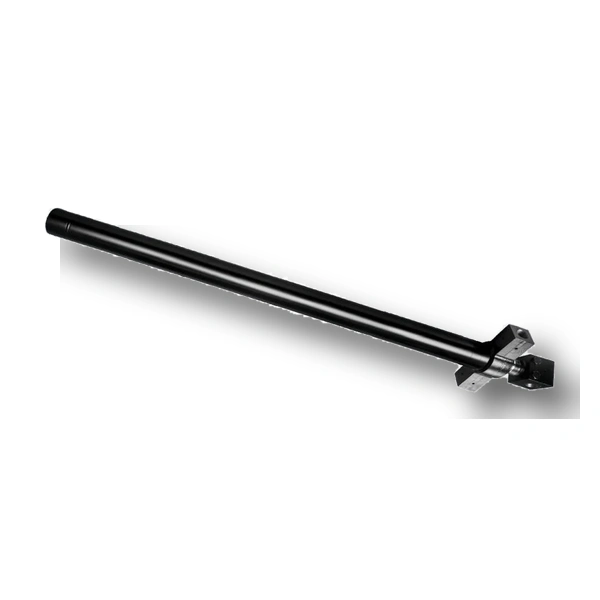
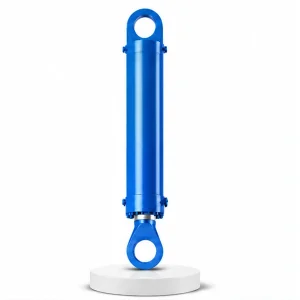
 ▲ Hydraulic Rotary Actuator | Rated Torque 2,800 N·m | 180° Rotation
How the Hydraulic Rotary Actuator Produces Torque
The rotary actuator uses a helical spline mechanism — hydraulic pressure acts on a piston, which moves linearly along a helical groove machined into the output shaft. As the piston moves, the helix converts the linear motion into rotation. The 688 cc displacement means 688 ml of hydraulic oil produces one full 180° rotation.
At 21 MPa rated pressure, the actuator produces 2,800 N·m of output torque — equivalent to the force needed to rotate a 1.4-tonne mass at 1 metre radius. The starting pressure of only 3.1 MPa means the actuator begins rotating under minimal system pressure — important for applications where the load varies from zero to maximum during the rotation arc.
Two mounting configurations are supported: cross-over installation (maximum bending torque 16,900 N·m) and cantilever installation (7,100 N·m). Cross-over mounting is used when the actuator is supported on both sides of the rotation axis. Cantilever mounting — where the actuator is supported on one side only — is common on crane swings and material handling arms. Browse the full industrial engineering hydraulic cylinder range.
Rotary Actuator vs Hydraulic Motor vs Rack-and-Pinion
Rotary Actuator: Precise Positioning
Limited rotation (180°), high torque, precise angular control. Ideal for applications that need to rotate to a specific angle and hold — valve actuation, platform positioning, equipment indexing.
Hydraulic Motor: Continuous Rotation
Unlimited rotation, continuous output. Used for wheel drives, winch drums, and conveyor drives. Not suitable for precise angular positioning — no inherent angular feedback or holding capability.
Rack-and-Pinion: Alternative 90°/180°
Uses a linear cylinder + gear rack to drive a pinion. Compact for 90° applications but less torque-dense than a helical spline actuator at 180°. The rotary actuator integrates the conversion mechanism internally — no external gearing.
Why Choose Korea Ever-Power
Korea Ever-Power is a professional hydraulic cylinder manufacturer and supplier, specialising in forklift hydraulic cylinders, aerial work vehicle cylinders, mobile machinery cylinders, offshore cylinders, and industrial engineering cylinders. Our production facilities are equipped with composite machining centres, multi-station welding robots, automated assembly lines, specialised cylinder testing machines, and a dedicated quality inspection area — ensuring every cylinder meets OEM-grade performance standards.

Korea Ever-Power forklift tilt cylinders are manufactured to the same specifications and quality standards as original equipment cylinders fitted to major forklift brands worldwide. Every cylinder is 100% hydrostatic pressure tested, dimensionally inspected, and shipped with a test certificate and seal kit. Contact the Korea Ever-Power team for pricing and lead time.

Frequently Asked Questions
What Our Customers Say
"We use the Korea Ever-Power rotary actuator for butterfly valve actuation on our water treatment plant. The 2,800 N·m torque handles our DN600 valves easily. Rotation is smooth and precise — the valves stop exactly where positioned."
H. Andersen — Water Treatment Plant Engineer, Denmark
"Good quality rotary actuator at competitive pricing. The 3.1 MPa starting pressure means it begins rotating immediately when we apply system pressure — no dead zone. After 14 months of daily cycling, smooth operation with no internal leakage."
L. Ferreira — Industrial Automation Engineer, Brazil
Related Hydraulic Cylinder Categories

Ek bilgi
| Editor |
|---|
İlgili ürünler
-
Injection Molding Machine Mold Opening and Closing Cylinder
-
Hydraulic Press Front Side Shift Cylinder
-
Injection Molding Machine Shooting Cylinder
-
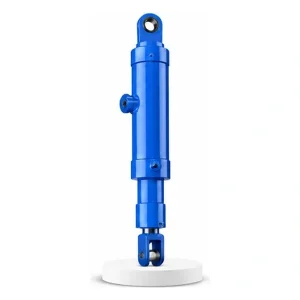
Electric Furnace Lock Cylinder
-
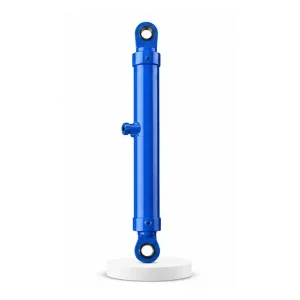
Electric Furnace Cover Rotating Cylinder
-
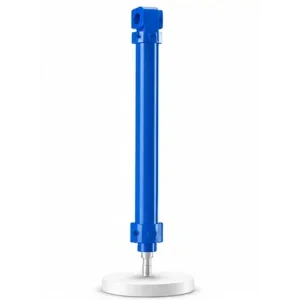
Hydraulic Press Mobile Workbench Cylinder
-
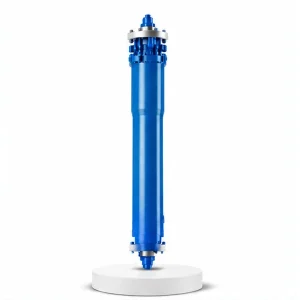
Hydraulic Press Return Cylinder
-
Hydraulic Press Leveling Cylinder