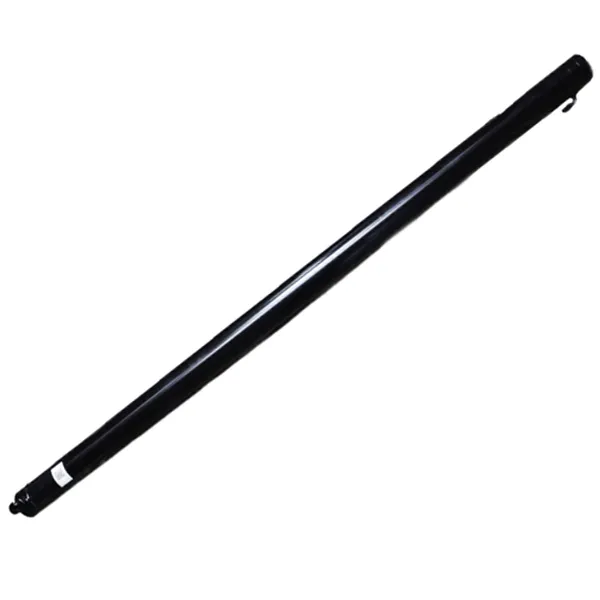
OEM Single Acting Forklift Hydraulic Cylinder
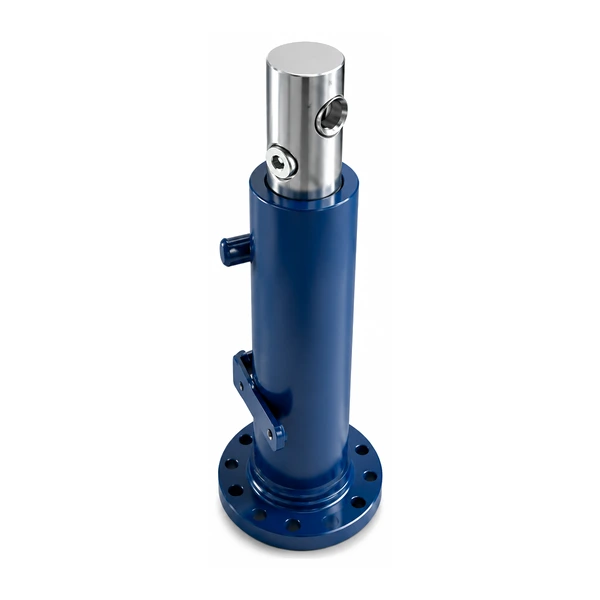
OEM Single Acting Forklift Hydraulic Cylinder
Every lift function on a forklift — raising the forks, raising the mast, raising the carriage — uses a single acting hydraulic cylinder. Not because single-acting is cheaper (it is), and not because it is simpler (it is), but because single-acting provides an inherent safety characteristic that double-acting cannot: the cylinder cannot actively pull the load down. If the hydraulic hose, the pump, or the control valve fails while the forks are raised with a 2-tonne pallet overhead, a single acting cylinder holds that pallet in place. A double-acting cylinder, with its retract port open to drain, would allow the load to free-fall.
Korea Ever-Power builds this single acting cylinder as an OEM product in the lightest configuration available: 8 components, 6 kg reference weight, steel ball check valve for load holding, and no sprocket, oil pipe, or chain drive hardware. This is the bare-essentials lift cylinder for applications where an external sheave handles the chain drive, where the lowering valve is in the control manifold, and where the cylinder's only job is to push upward and hold.
MOQ 1 pc
Why Every Forklift Lift Cylinder Is Single-Acting — The Safety Architecture
The choice between single-acting and double-acting is not a performance trade-off — it is a safety decision rooted in the physics of suspended loads. On any machine that lifts loads above ground level, the cylinder type determines what happens when the hydraulic system loses pressure.
| Failure Scenario | Single-Acting Lift | Double-Acting Lift (if used) |
|---|---|---|
| Hose rupture while load raised | Load holds — check valve blocks return | Load descends uncontrolled |
| Pump failure while load raised | Load holds indefinitely | Load may creep down via internal leakage |
| Lowering with engine off | Controlled via manual lowering valve | May require power for controlled retract |
| Control valve stuck in retract | No retract port — cannot force descent | Cylinder actively retracts under pressure |
On any forklift hydraulic cylinder that lifts a load vertically, single-acting provides a fail-safe by design — the worst-case failure mode is "load stays up" rather than "load comes down." This is why every major forklift standard (EN 1726, ASME B56, JIS D 6201) requires or strongly recommends single-acting cylinders for the lift function.
8-Part vs 27-Part — Two Lift Cylinder Architectures, Different Applications
Korea Ever-Power offers two OEM single-acting lift cylinder architectures. This page covers the 8-component bare-essentials design. The choice between them depends on whether the chain drive and internal oil routing are handled inside the cylinder or externally by the machine.
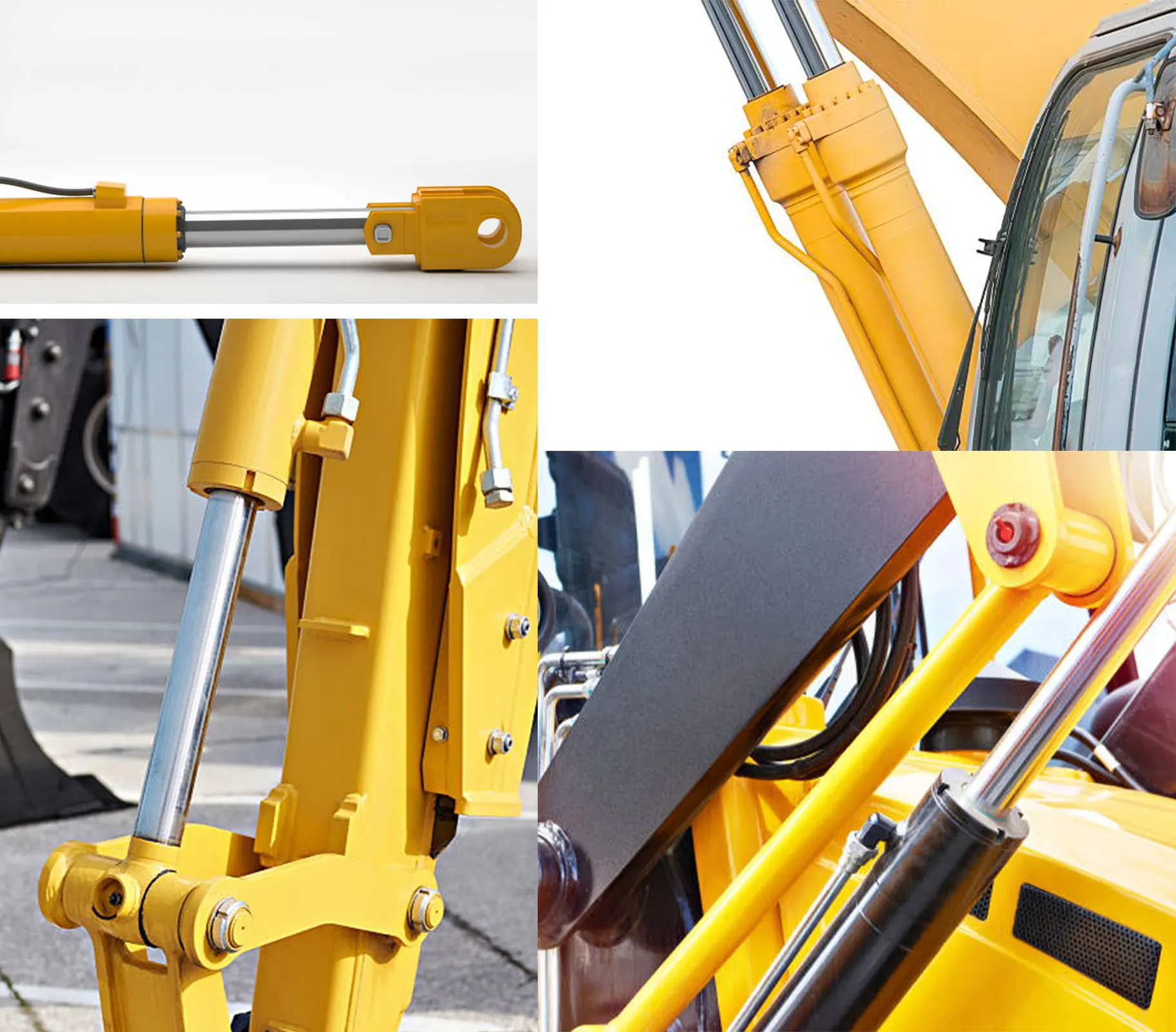
This Product: 8-Component Design
What is included: Housing, piston rod, steel ball check valve, U-ring, back-ring, dust wiper, Du bush, O-ring — the minimal set needed for a sealed, load-holding, single-acting lift actuator.
What is external: Chain sheave, oil pipe, sprocket, and lowering valve are all mounted separately on the machine frame.
Use when: The machine already has an external sheave bracket and oil routing system — the cylinder's only job is to push and hold. Typical for aftermarket replacement cylinders, simple lift tables, farm equipment lifts, and machines where the cylinder mounts in a space-constrained position where the sprocket would not fit.
Alternative: 27-Component Design
What is included: Everything in the 8-part design, plus integrated oil pipe (internal flow routing), check valve with adjustable spring, chain sprocket seat and cover, grease nipple, and full mounting hardware.
What is external: Only the chain and the lowering valve — everything else is self-contained inside the cylinder assembly.
Use when: Building a new mast system or lift mechanism where you want the cylinder to arrive as a complete lift subsystem. Typical for forklift mast OEMs, car lift manufacturers, and new machine designs where the assembly simplicity of an integrated unit reduces production line labour.
Product Specification
| Product Type | OEM single acting hydraulic lift cylinder (bare actuator) |
| Acting Type | Single-acting only |
| Architecture | 8 components — steel ball check valve included, no sprocket/oil pipe |
| Reference Weight | 6 kg (varies by bore and stroke) |
| Body Material | 20# carbon steel / 45# medium carbon steel |
| Seal Options | Parker, NOK, Hallite, Busak Shamban |
| Load Holding | Internal steel ball check valve — fail-safe, gravity-seated |
| Certification | ISO 9001:2015, ISO 14001, ISO 45003 |
| Quality | 100% tested · Video inspection · Machinery test report |
| Service / MOQ | OEM + ODM / 1 piece |
| Industries | Manufacturing, machinery repair, farms |
| Shipping | Crate or pallet · Port: Shanghai / Ningbo |
8 Components — Maximum Function, Minimum Complexity
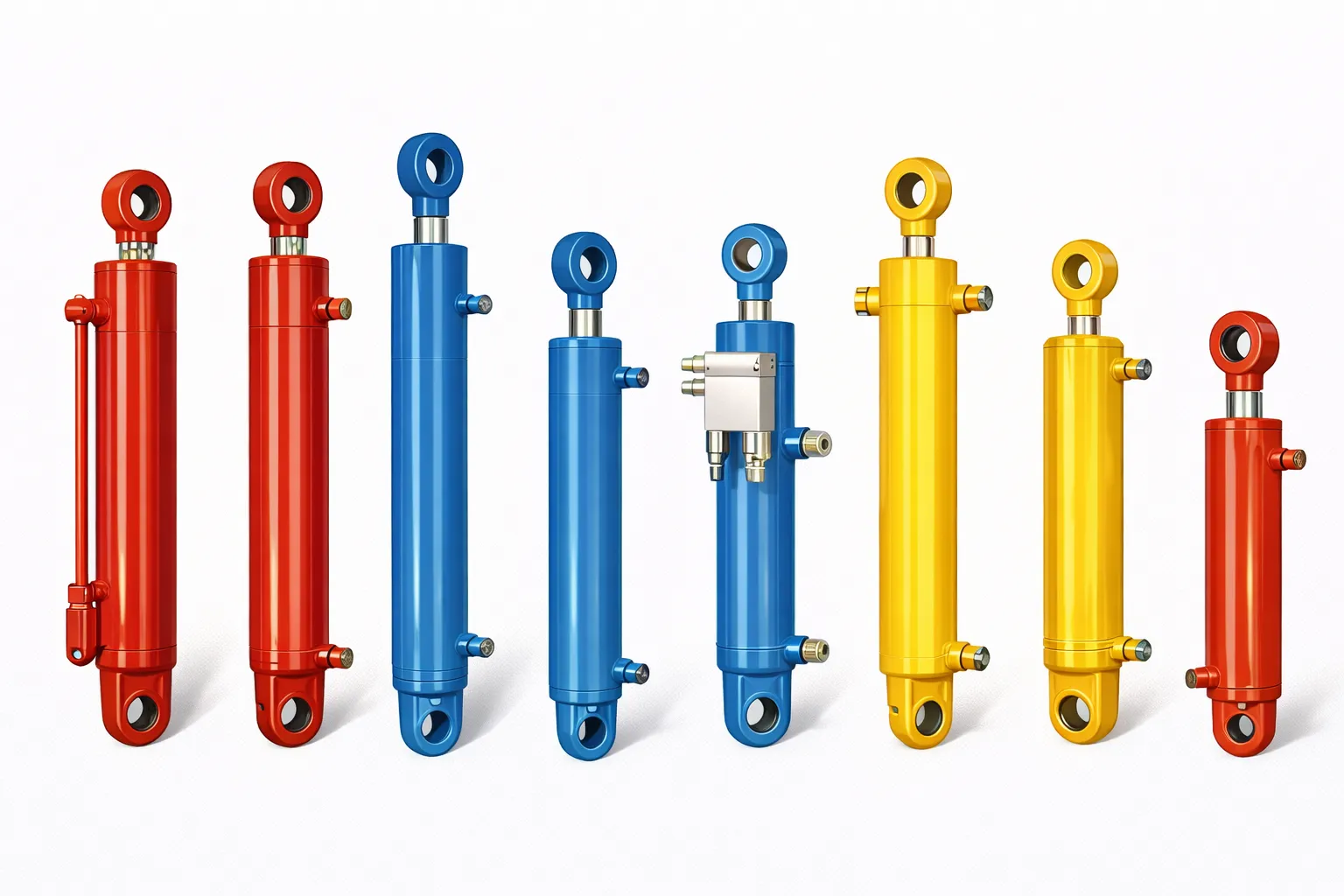
Eight components perform three functions: sealing (U-ring, back-ring, O-ring, dust wiper), guiding (Du bush), and load holding (steel ball). The housing contains the bore and the port; the piston rod transmits the force. Nothing else is needed for a single-acting cylinder where the lowering valve and chain drive are external. This minimalist architecture means fewer seals to leak, fewer machined interfaces to hold tolerance, and a faster field rebuild — a technician can disassemble, inspect, reseal, and reassemble this cylinder in under 30 minutes.
| # | Component | Function in Single-Acting Context |
|---|---|---|
| 1 | Cylinder Housing Assy | Pressure vessel and port housing — single port (bore end only) |
| 2 | U-Ring | Primary rod seal — prevents oil escape past the extending rod |
| 3 | Back-Ring | Anti-extrusion support for the U-ring under pressure |
| 4 | Dust Wiper | Prevents external contamination from entering the seal zone |
| 5 | Piston Rod | Load-bearing member — chrome-plated, induction-hardened |
| 6 | Steel Ball ◆ | Check valve — seats on conical bore seat to block oil return under load |
| 7 | Du Bush | PTFE-lined rod guide — carries side loads, prevents metal contact |
| 8 | O-Ring | Static seal between housing sections |
◆ The steel ball is the load-holding safety device. It replaces the spring-loaded check valve of the 27-part architecture with a single gravity-seated component.
Where the 8-Part Single Acting Cylinder Serves
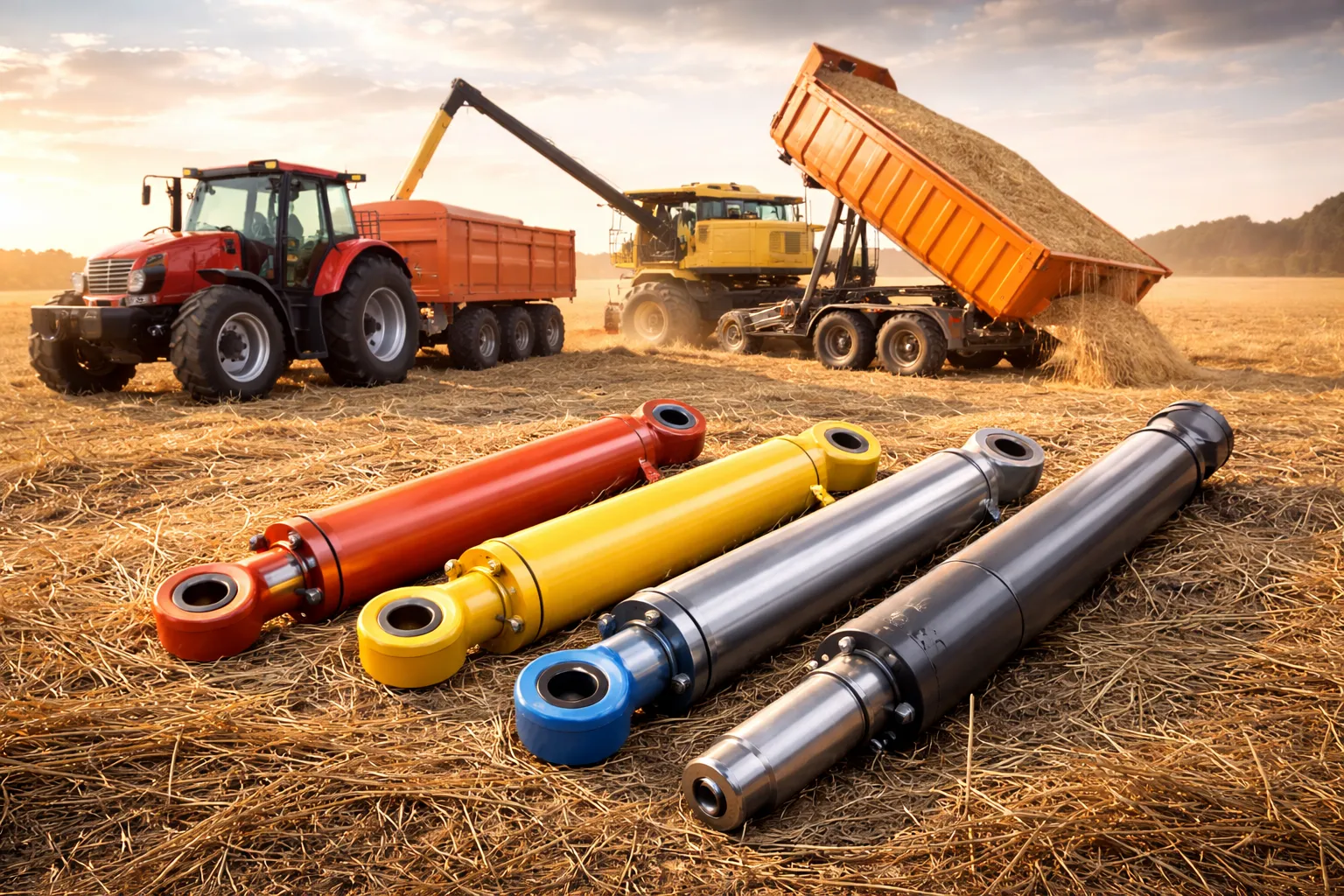
Forklift Mast — Replacement Cylinders
When an existing forklift's lift cylinder fails and the mast already has external sheaves and oil plumbing, the replacement cylinder only needs to provide the bare actuator function. The 8-component design drops into the existing mast channel at a fraction of the weight and cost of the 27-component integrated cylinder. This is the most common application for this product — aftermarket replacement on forklifts where the original cylinder is no longer available from the vehicle manufacturer.
Farm Equipment — Compact Lift Mechanisms
Livestock chute gates, grain bin unloading floors, seed hopper lids, and small agricultural platform lifts use single acting cylinders with steel ball check valves to hold position. The 6 kg weight and compact envelope fit the tight mounting spaces available on farm equipment where cylinder access for maintenance is limited and the service interval may extend to several years.
Industrial Lift Tables and Positioning Systems
Small hydraulic lift tables, tilt tables, and vertical positioning platforms in manufacturing plants use single acting cylinders where gravity provides the return force. The integrated steel ball check valve eliminates the need for an external check valve in the hydraulic circuit, simplifying the plumbing and reducing the total component count of the lift system.
Single Acting OEM Cylinder — Technical Questions
Other Lift Cylinder Options
其他信息
| Editor | Cxm |
|---|
相关产品
-
Forklift Lifting Cylinder | EP-HCYY11112000 Model
-
Forklift Short Lifting Cylinder | Bore Φ75–95mm | Free-Lift Stage
-
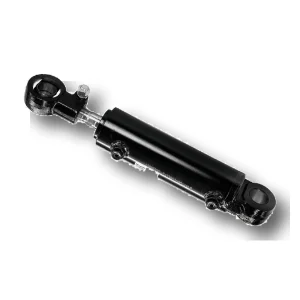
Forklift Tilt Cylinder | EP-HCYY11112001 Model
-
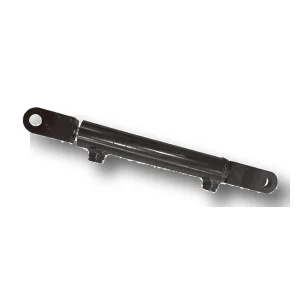
Pallet Truck Lift Cylinder | Bore Φ40–45mm | Ultra-Compact
-
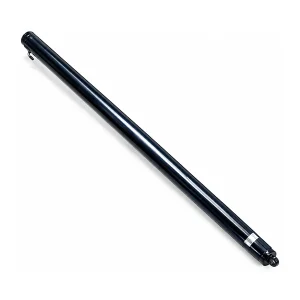
Forklift Truck Lift Oil Cylinder — Single-Acting Hydraulic Lift Cylinder
-
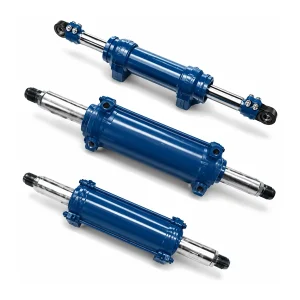
Tractor & Forklift Hydraulic Steering Cylinder — OEM Cross-Industry Power Steering Cylinder
-
Forklift Lifting Hydraulic Cylinder — Single-Acting Mast Lift Cylinder
-
Forklift Tilt Hydraulic Cylinder — Double-Acting Mast Tilt Cylinder for 1.5–10 Ton Forklifts