
ZG and HSG Series Hydraulic Cylinders for Harvester
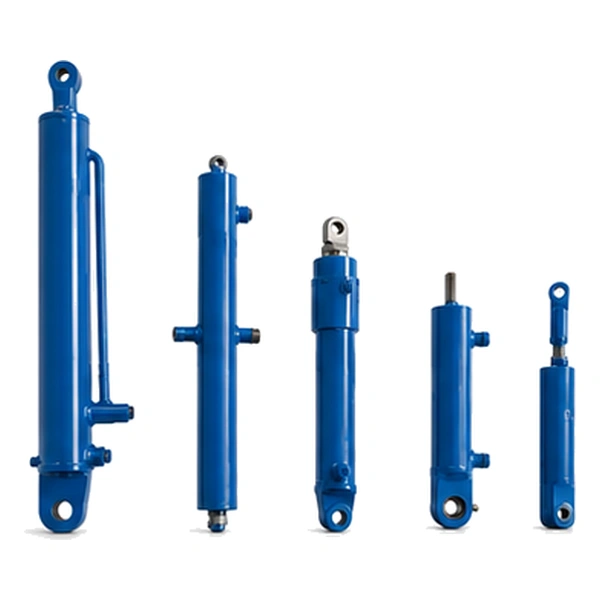
Harvester · ZG + HSG Series · #39 of 39
The Harvest Window.
If the Cylinder Fails,
the Crop Rots.
A factory press can wait a week for a replacement cylinder — the steel doesn't spoil. A harvester cannot wait a day. The harvest window is 2–6 weeks: wheat, corn, rice, soybeans, sugarcane — every crop has a narrow window when it is ready to cut. Miss it, and rain flattens the crop, frost kills the grain, or over-ripening shatters the seed heads. The harvester cylinder must deliver 16–20 hours a day for those 2–6 weeks without a single failure. This is the 39th and final product in the Korea Ever-Power industrial cylinder catalogue — and the one with the highest cost of downtime.
8–15 Cylinders on One Machine — Every Position Has a Different Job
A modern combine harvester uses more hydraulic cylinders than any other agricultural machine — 8–15 individual cylinders controlling the header, reel, unloading system, straw management, and machine adjustment functions:
Raise and lower the cutting header to match the ground contour. The most critical cylinders on the harvester — if the header dips too low, it scoops dirt (damaging the cutter bar and contaminating the grain); if it rides too high, it misses the crop. Modern harvesters use automatic header height control — the cylinders respond to ground-sensor feedback dozens of times per second, making continuous micro-adjustments as the machine moves across uneven terrain at 6–10 km/h.
Adjust the height and fore/aft position of the reel — the rotating bat assembly above the header that sweeps standing crop into the cutter bar. Reel position determines how aggressively the crop is gathered. Lodged (fallen) crop needs the reel low and forward; tall standing crop needs the reel high and back. The operator adjusts continuously throughout the day as crop conditions change.
Swings the unloading auger (a long tube that transfers grain from the machine's grain tank to a transport truck) from its stored position along the machine to the unloading position extending sideways over the truck. Fast swing-out/swing-in — the operator does not stop the machine to unload; the grain truck drives alongside, and the auger swings out while both machines are moving.
Adjusts the position or deflector angle of the rear-mounted straw chopper that shreds crop residue and spreads it evenly behind the machine. On machines with a straw walker or rotary separator, additional cylinders control the concave clearance (the gap between the threshing rotor and the concave screen that determines grain separation aggressiveness).
Korea Ever-Power supplies both ZG and HSG series cylinders for all harvester positions — from the precision header height cylinders to the heavy-duty unloading auger swing. Browse the complete agricultural and industrial cylinder range.
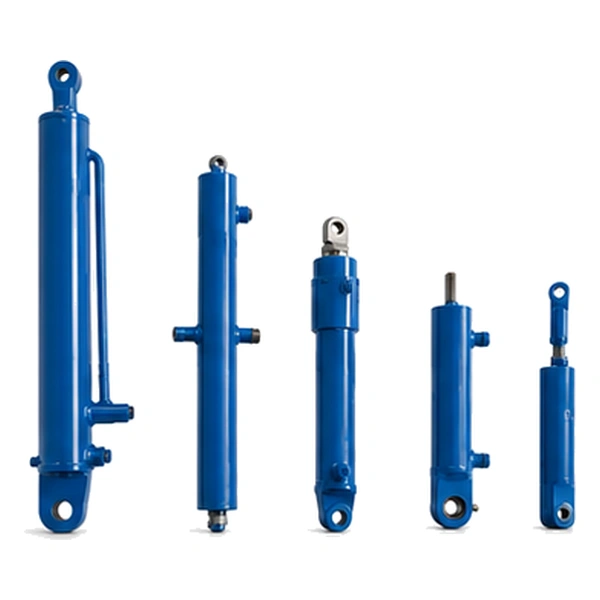
ZG Series + HSG Series — Two Ranges, One Machine
Most harvesters use a mix of both series — ZG cylinders in the tight header area and HSG cylinders for the general-purpose positions. Korea Ever-Power supplies both series under a single order, ensuring consistent pressure rating, seal compatibility, and corrosion protection across the entire machine.
Seasonal Duty — Maximum Intensity, Then Months of Silence
No other cylinder in this 39-product catalogue faces the harvester's unique duty cycle: a short period of extreme intensity followed by a long period of total inactivity. Both phases create problems:
During harvest, the machine runs from pre-dawn to after dark — 16–20 hours per day, 7 days per week. The header height cylinders cycle continuously (responding to ground contour sensors), the reel cylinders adjust every time the crop condition changes, and the unloading auger cylinder swings out every 10–15 minutes when the grain tank fills. Total operating hours during the harvest window: 200–600 hours in 2–6 weeks — compressed intensity that a factory press would spread across 2–4 months.
After harvest, the machine is parked — often outdoors or in an open-sided shed. The cylinders sit with rods partially extended, exposed to humidity, temperature cycling, and condensation. Chrome surfaces that were wiped clean by constant cycling during harvest now sit static — allowing moisture to attack any coating defect. Korea Ever-Power specifies chrome plating (50–80 µm) and anti-corrosion rod coatings rated for extended outdoor storage. Contact the hydraulic cylinder engineering team for harvester cylinder storage protection options.
Crop Contamination — Not Mud, Not Dust, but Chaff, Juice, and Chemicals
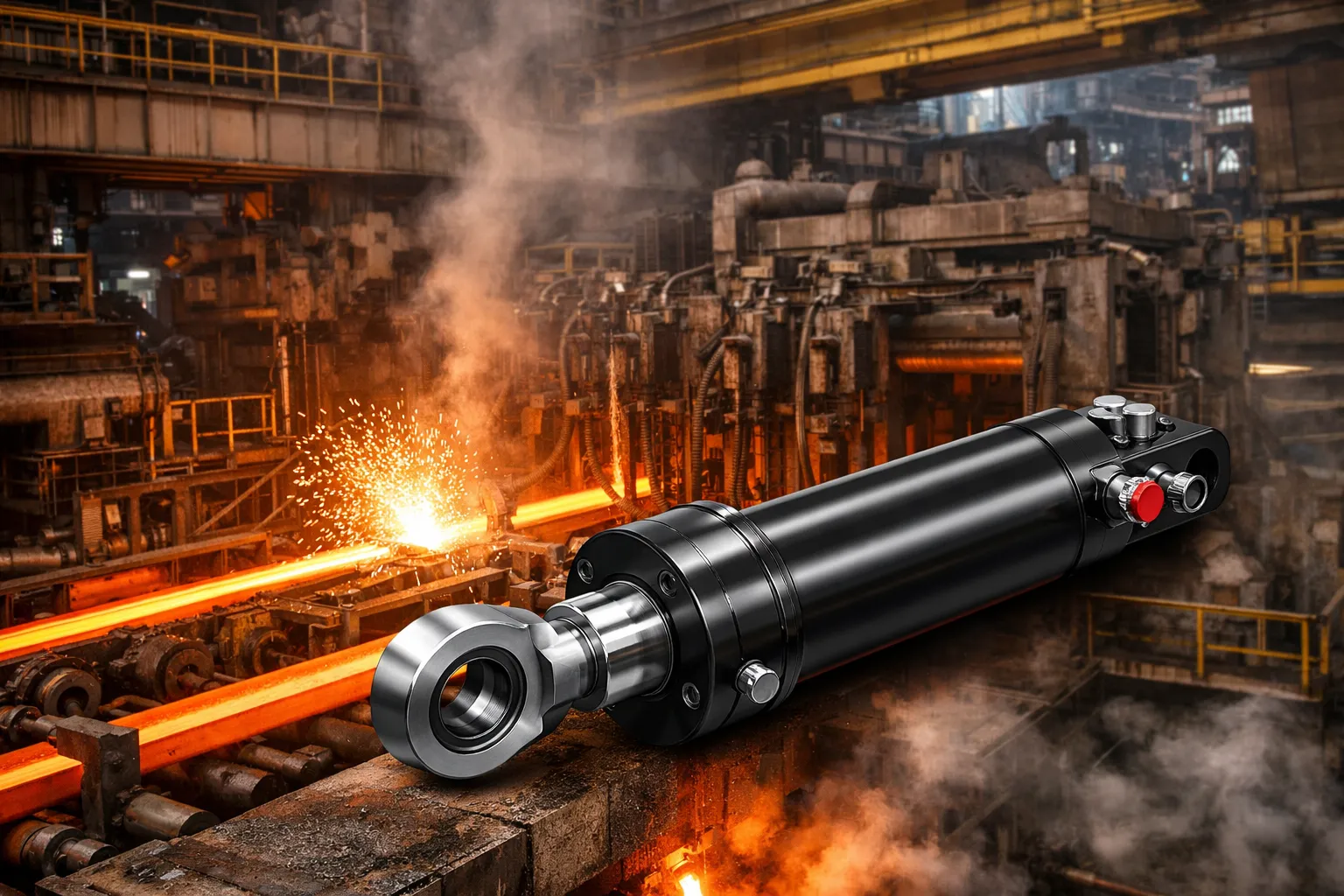
The tractor cylinder (#35) faces soil and mud. The excavator cylinder (#37) faces rock dust and concrete grit. The harvester cylinder faces a different contamination profile: crop residue. Wheat chaff, corn husks, soybean dust, sugarcane juice, rice straw fibres — these materials coat every external surface of the machine during operation.
Chaff and straw fibres wrap around the rod and pack against the wiper seal — unlike mud (which compresses), fibrous crop residue tangles and resists the wiper's scraping action. Sugarcane juice and corn silage acids are mildly corrosive — attacking chrome surfaces and degrading NBR seals faster than clean water would. Herbicide and fungicide residues from pre-harvest crop spraying add chemical attack to the mechanical contamination.
Korea Ever-Power addresses these harvester-specific contamination challenges: double-lip wipers with an anti-fibre groove (a circumferential channel that captures fibrous material before it reaches the seal lip), chrome plating rated for mild acid exposure, and seal compounds tested against common agricultural chemical concentrations.
Manufacturing — Seasonal Delivery, Year-Round Quality
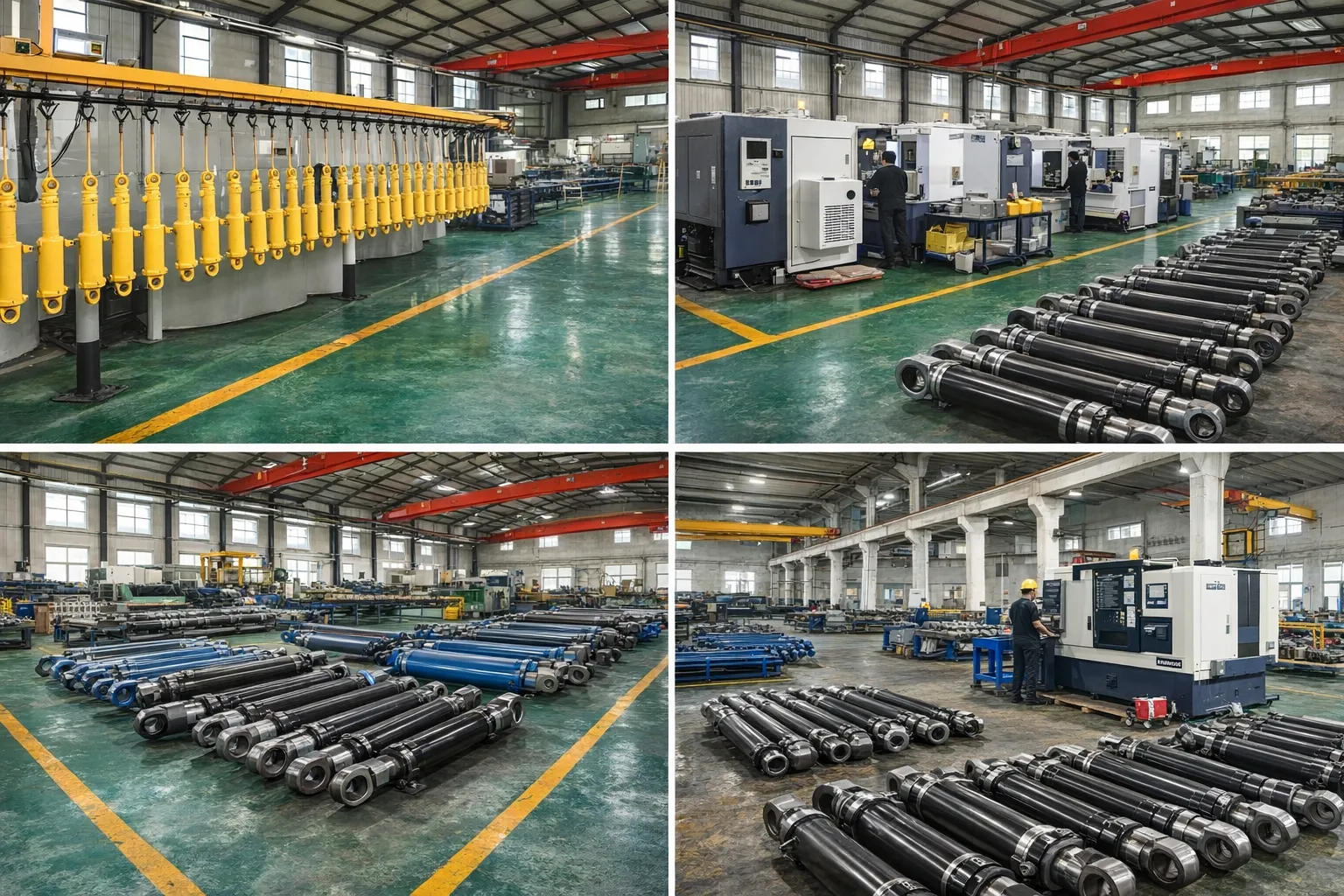
Harvester OEMs build machines year-round but deliver them in advance of the harvest season — creating a production peak 3–6 months before harvest. Korea Ever-Power aligns cylinder production to this seasonal demand pattern: building inventory in advance, shipping in scheduled batches to match the OEM's assembly line, and maintaining a safety stock for mid-season emergency replacements.
Both ZG and HSG series cylinders are manufactured to the same quality standard: bore honed to Ra 0.2–0.4 µm, chrome plating 50–80 µm (outdoor agricultural specification), NBR seals rated for -30 °C to +100 °C, and external corrosion protection rated for outdoor storage. The ZG series' compact design requires tighter machining tolerances on the end cap and gland — to achieve the shorter overall length at the same stroke.
Every harvester cylinder is hydrostatic tested at 1.5× working pressure. For header height cylinders (the most critical position), Korea Ever-Power also performs a dynamic response test — verifying that the cylinder responds to a step input within the time required by the automatic header height control system's response specification.
OEM & ODM
FAQ
Related Categories
其他信息
| Editor |
|---|
相关产品
-
Injection Molding Machine Mold Opening and Closing Cylinder
-
Cement Equipment Vertical Mill Cylinder
-
Filter Press Hydraulic Cylinder
-
Hydraulic Press Front Side Shift Cylinder
-
Hydraulic Press Rear Side Shift Cylinder
-
Electric Furnace Cover Rotating Cylinder
-
Hydraulic Press Centering Cylinder
-
Hydraulic Press Side Cylinder


























