Cost Effective Double Acting Telescopic Hydraulic Cylinder for Sale
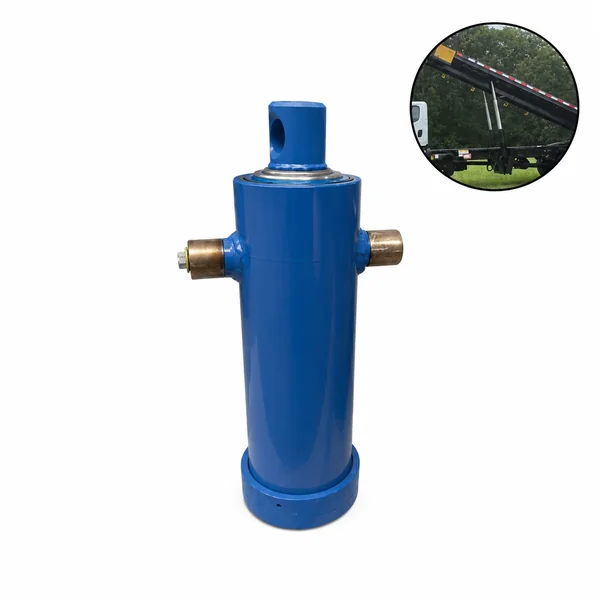
HYDRAULIC EXTEND + RETRACT
Double Acting
Telescopic Cylinder
Cost Effective — For Sale
A single-acting telescopic cylinder extends under hydraulic pressure and retracts under gravity. A double-acting telescopic cylinder extends under pressure AND retracts under pressure — the operator has hydraulic control in both directions. This is the fundamental engineering distinction, and it determines whether the cylinder can be used in applications where gravity cannot reliably retract the stages.
The double-acting telescopic hydraulic cylinder costs more than single-acting because it requires additional engineering: retract-side seals on every stage, internal oil passages that route hydraulic fluid to the retract chambers through nested stages, and a second hydraulic port. Korea Ever-Power manufactures the double-acting telescopic cylinder with optimised production processes that deliver this additional capability at competitive pricing — making double-acting cost effective for applications that genuinely require it.
Double Acting Telescopic Cylinder — Customisation Parameters
| Acting Type | Double-acting — hydraulic extend AND hydraulic retract |
| Bore / Rod / Stroke / Pin | 2–6″ / 1.125–4″ / 4–100″ / 0.5–2″ (all customisable) |
| Port Options | G (BSP) / SAE / NPT / M — two ports required |
| Body / Type | Steel / Multi-stage telescopic |
| Hydraulic Lines | 2 lines (extend + retract) — vs 1 line for single-acting |
| Certification / Lead Time | ISO 9001 / 25–35 days |
| Warranty | 1 year |
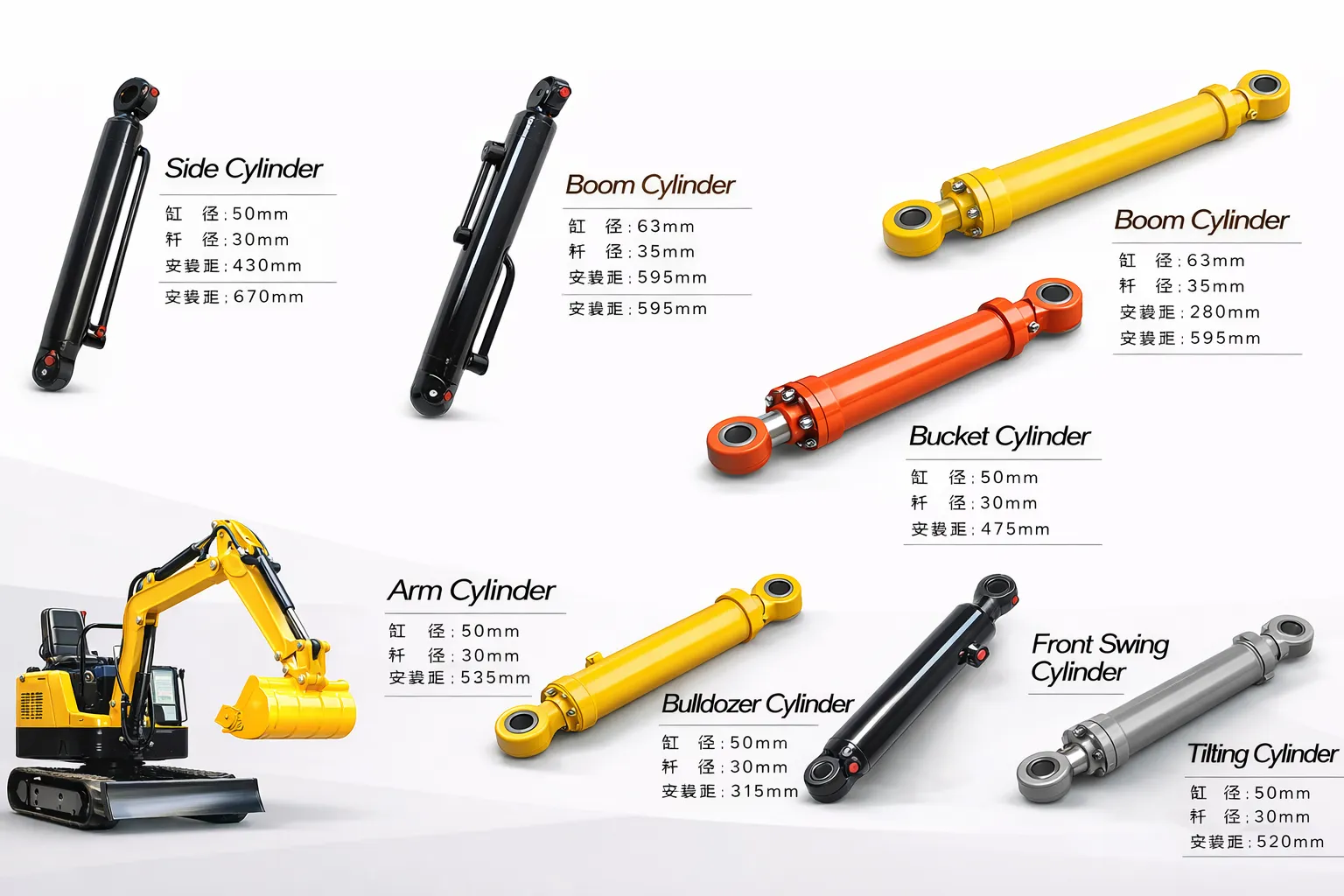
How a Double-Acting Telescopic Cylinder Works — Hydraulic Power in Both Directions
In a single-acting telescopic cylinder, hydraulic oil enters one port and pushes the stages out sequentially. When the pressure is released, gravity pulls the stages back in — the weight of the dump body or load pushes the oil back out through the same port. There is no hydraulic force on the retract stroke. In a double-acting telescopic cylinder, there are two oil circuits: one pressurises the extend side of each stage piston, and the other pressurises the retract side. Reversing the directional control valve switches which circuit is pressurised, giving the operator hydraulic power in both directions.
Single-acting has one port (extend). Double-acting has two ports: one for extend, one for retract. This means two hydraulic hose lines from the control valve to the cylinder, a double-acting directional control valve, and a hydraulic system that can supply flow in both directions. The hydraulic circuit on your vehicle or equipment must be compatible with double-acting operation before you specify a double-acting cylinder.
The most complex engineering feature of a double-acting telescopic cylinder is the internal oil passage system that routes retract-side hydraulic fluid through the nested stages. Each stage must have a sealed retract chamber, and the oil must flow from the retract port through passages or tubes that pass through the outer stages to reach the inner stages. This internal passage system is why double-acting telescopic cylinders are more complex and more expensive to manufacture than single-acting.
In a single-acting cylinder, only the extend side of each stage has pressure seals. In a double-acting cylinder, both the extend side and the retract side of every stage junction must be sealed — doubling the total seal count. More seals means more potential leak paths, but also means the cylinder has full hydraulic control in both directions. The retract-side seals experience lower pressure than the extend-side seals (the retract annular area is smaller), but they still require proper seal specification and installation.
When to Choose Double-Acting vs Single-Acting
Double-acting costs more and adds complexity. Choose it only when the application genuinely requires hydraulic retraction — do not specify double-acting "just in case" when single-acting would work.
The cylinder is mounted horizontally or at a shallow angle — gravity cannot retract the stages. The dump body or platform is lightweight (aluminium bodies, empty containers) and does not generate enough weight to push the stages in. The operator must control the retraction speed precisely — lowering a platform at a controlled rate, not a gravity free-fall. The cylinder must pull actively on the retract stroke — flatbed tilt mechanisms, press platens, clamping devices.
The cylinder is mounted vertically under a loaded dump body — gravity reliably retracts the stages. The retraction speed is not critical — the body can lower at gravity speed. The application does not require the cylinder to pull on the retract stroke. The hydraulic system has only one hose line available (single-acting power unit). Cost and simplicity are priorities.
Double-acting typically costs 20–40% more than single-acting at the same bore, stroke, and stage count — reflecting the additional seals, internal passages, and machining required. The premium is a manufacturing cost, not a margin increase. If your application can work with single-acting, single-acting saves cost without sacrificing performance.
Double-Acting Telescopic Cylinder — Key Applications
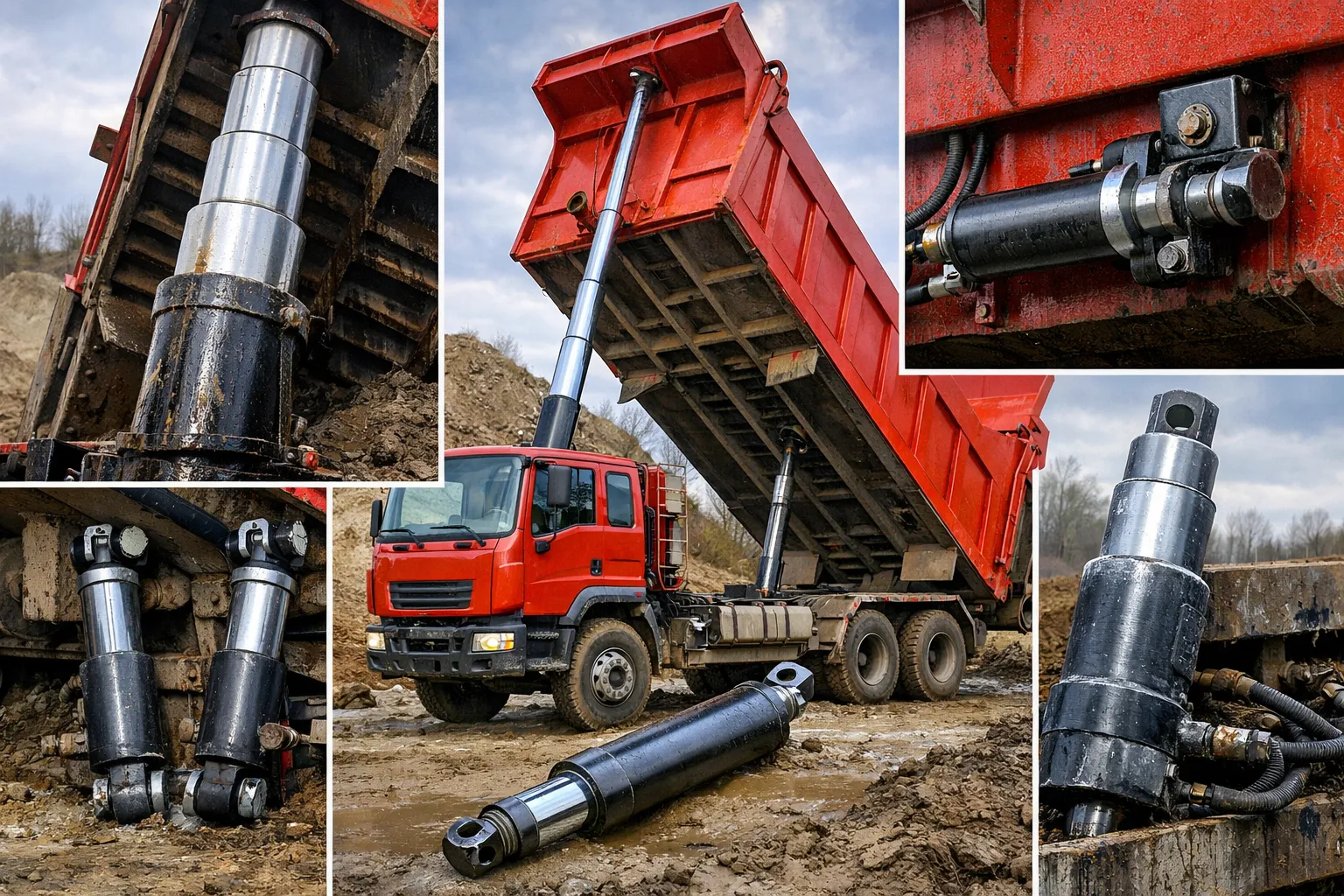
Flatbed Tilt & Slide Mechanisms
The primary application for double-acting telescopic cylinders. Flatbed tow trucks tilt the bed to ground level for vehicle loading, then the bed must be pulled back to horizontal under hydraulic power for transport. Gravity alone cannot return a flatbed to level — double-acting is mandatory. Typically 2–3 stage at 2–4 inch bore, SAE or metric ports.
Horizontal & Angled Mounting
Any application where the telescopic cylinder is mounted horizontally or at an angle less than approximately 20° from horizontal. At these angles, gravity force on the stages is insufficient to overcome seal friction and retract reliably. Industrial equipment, hydraulic presses, agricultural implements with horizontal actuators — all require double-acting for reliable bi-directional operation.
Controlled-Speed Lowering
Dump bodies carrying fragile or liquid loads that must be lowered gently — not dropped under gravity. Municipal waste containers, tank trailers, and food-processing tippers where the lowering speed must be controlled by the operator to prevent sloshing, spillage, or mechanical shock. Double-acting provides metered flow control on the retract stroke through the directional control valve.
OEM & ODM — Ordering Double-Acting Telescopic Cylinders
Double-Acting Telescopic Cylinder — Technical FAQ
Field Reports
We build flatbed tow trucks — the bed tilts for vehicle loading, then the double-acting cylinder pulls it back to level. Single-acting is impossible for this application — the bed won't return to horizontal under gravity alone because the tilt angle is only 8–10°. The Ever-Power double-acting 3-stage at 3-inch bore, 48-inch stroke, SAE ports has been running on 6 trucks for 7 months. Smooth extend, smooth retract, no leaks on either circuit. The 4-way valve integration was straightforward. Cost was about 25% more than their single-acting equivalent — a fair premium for the added complexity.
We use double-acting telescopic cylinders in horizontal mounting on our baling presses — the cylinder pushes waste material into the baling chamber (extend) and pulls the press platen back (retract). Gravity plays no role — the cylinder is completely horizontal. Ever-Power double-acting 2-stage, 4-inch bore, metric ports. The extend and retract pressure test results on the certificate confirmed both circuits hold at 1.5×. 15 units across 3 press models, all performing correctly. The cost-effectiveness versus European double-acting cylinder suppliers is significant — approximately 40% lower at equivalent quality.
Double-acting telescopic cylinder for an aluminium dump body on a lightweight agricultural trailer. The aluminium body is too light for gravity retraction — tried single-acting first and the stages would not retract fully. Switched to Ever-Power double-acting and the problem was solved immediately. Four stars because I should have specified double-acting from the start — the Ever-Power engineering team actually recommended it when they saw our body weight specification, but I overruled them. They were right.
Other Hydraulic Cylinder Categories
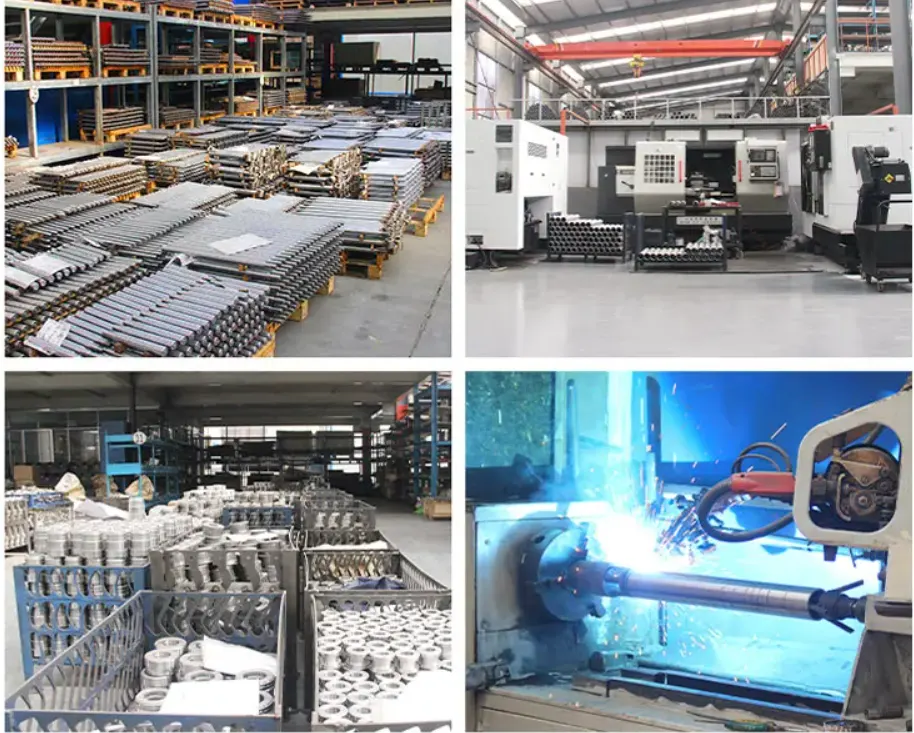
Product Images — Reference Gallery

Additional information
| Editor | Cxm |
|---|
Related products
-
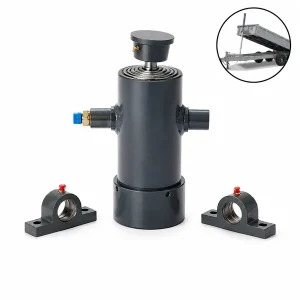
Customized 5 Stage Telescopic Hydraulic Cylinders
-

Factory Direct Sale 2 Stage Small Hydraulic Cylinder
-
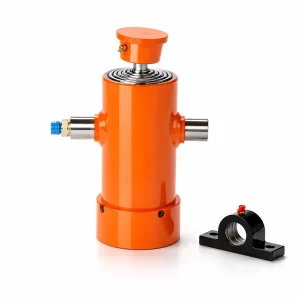
Customized Telescopic Hydraulic Cylinders — Multistage For Dump Trailer
-
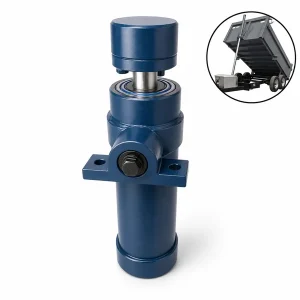
Quality Manufacturing 2 Stage Hydraulic Cylinder
-
High Quality Double Acting Dump Truck Telescopic Hydraulic Cylinder for Sale
-
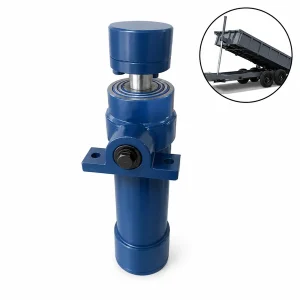
New Arrival Dump Truck Double Acting Telescopic Hydraulic Cylinder
-
2 Stage Small Dump Truck Hydraulic Cylinder — Multistage Telescopic
-
Strong Stable Telescopic Hydraulic Cylinder — Multistage for Dump Trailer